
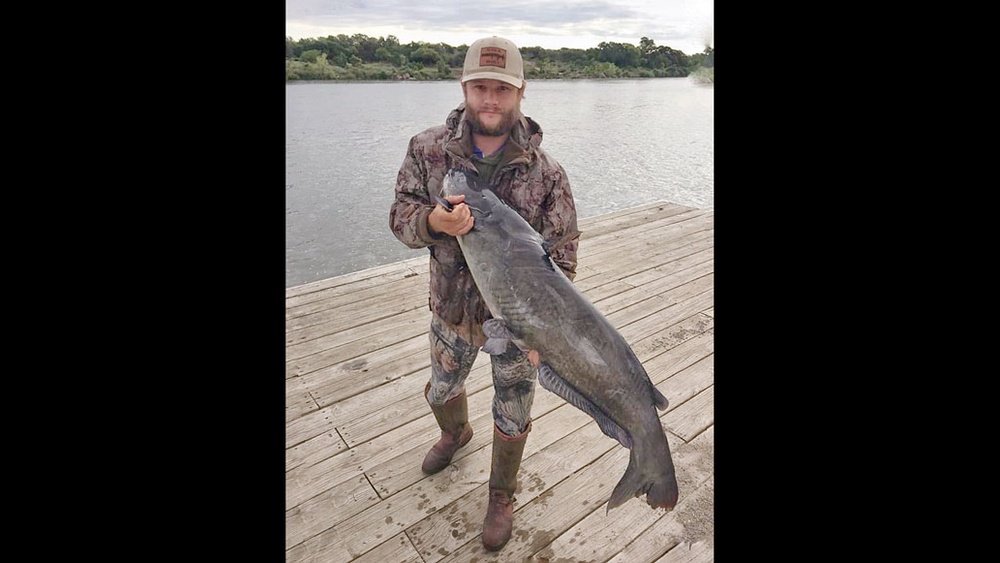
Uscurrent Catfish Records: Biggest Catches and Top Anglers
Every year, anglers across the United States chase legends hidden beneath muddy rivers and deep reservoirs: record-breaking catfish. These giants capture the imagination of both seasoned fishermen and newcomers, standing as proof of what patience, skill, and a little luck can bring. Catfish records in the US are not just about the biggest fish ever caught, they tell stories about local waterways, changing techniques, and the continuing popularity of freshwater fishing.
In this article, we explore the current US catfish records. You’ll find the largest catches for the three major species, see how different states compare, learn about the stories behind these incredible fish, and understand what it takes to land a record.
If you’re fascinated by fishing history or hope to hook a record yourself, this guide will give you a clear picture of America’s most impressive catfish feats.
Understanding Catfish Species In The Us
Before diving into the records, it’s important to know which catfish species dominate American waters. The three main types that hold most records are:
- Blue Catfish: Known for their potential to grow huge, blue catfish are often found in large rivers and reservoirs. Their size and strength make them a popular target for trophy hunters.
- Flathead Catfish: These are recognized by their broad, flat heads and distinctive color. They prefer slow-moving rivers and canyons with deep holes.
- Channel Catfish: The most widespread catfish in the US, channel catfish are common in lakes, ponds, and rivers. They rarely reach the size of blues or flatheads but are prized for their fight and abundance.
Each species has different habits, habitats, and growth potential, which explains why their record weights vary so much.
The Heaviest Catfish Ever Caught In The Us
Let’s start with the most jaw-dropping records: the largest catfish ever caught in the United States. These fish are the stuff of legends, often weighing as much as a small child or even a grown adult.
| Species | Weight (lbs) | Location | Year | Angler |
|---|---|---|---|---|
| Blue Catfish | 143 | Kerr Lake, VA | 2011 | Richard Nicholas Anderson |
| Flathead Catfish | 123 | Elk City Reservoir, KS | 1998 | Ken Paulie |
| Channel Catfish | 58 | Santee-Cooper Reservoir, SC | 1964 | W. H. Whaley |
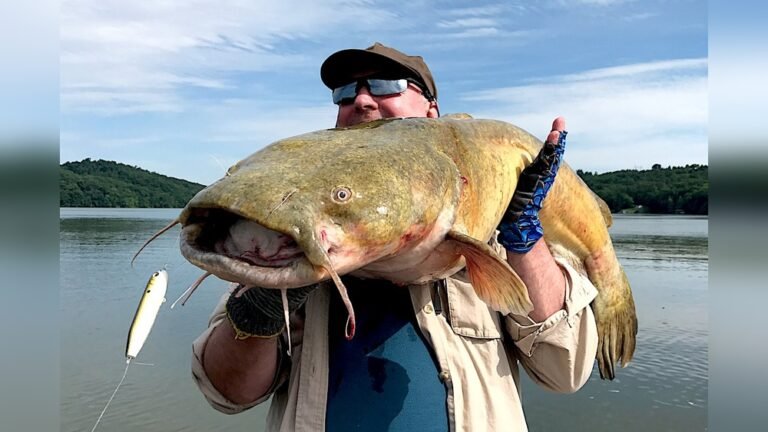
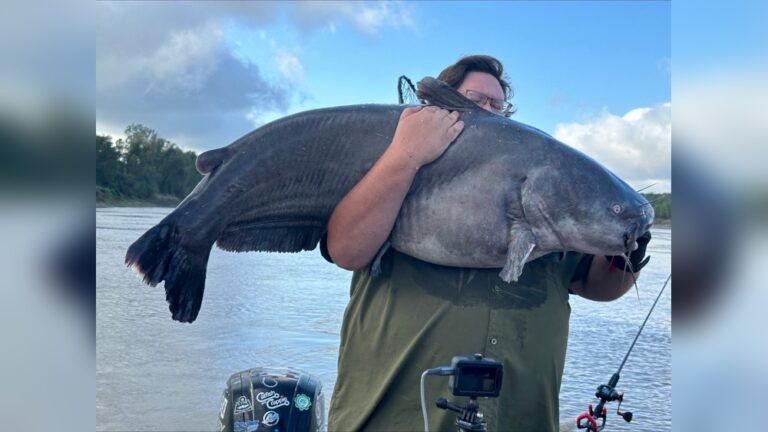
The blue catfish world record stands at an incredible 143 pounds. Caught in Kerr Lake, Virginia, in 2011 by Richard Nicholas Anderson, this monster fish surprised even veteran anglers. The flathead catfish record is also impressive at 123 pounds, a catch made in Kansas that still stands after decades. The channel catfish record, though lower, represents the upper limit for this species—58 pounds is extremely rare for a channel catfish.
These records are officially recognized by organizations like the International Game Fish Association (IGFA) and state wildlife agencies.

Credit: www.dailytrib.com
State-by-state Catfish Records
While national records get the headlines, each state keeps its own list of record catfish. These records reflect local fishing conditions and can vary widely depending on the waterbodies and regulations.
| State | Blue Catfish (lbs) | Flathead Catfish (lbs) | Channel Catfish (lbs) |
|---|---|---|---|
| Texas | 121.5 | 98.5 | 36.5 |
| Missouri | 130 | 77.8 | 34.7 |
| Mississippi | 95 | 77 | 51 |
| Georgia | 110 | 83 | 44.7 |
| California | 113.4 | 72.8 | 53.8 |
Why do some states produce bigger catfish? The answer usually comes down to water size, food availability, and fishing pressure. For example, Texas and Missouri have huge river systems and large reservoirs, which let catfish grow very large.
Behind The Records: Stories Of Legendary Catches
Every record catfish comes with a story. These are not just statistics—they are tales of perseverance, surprise, and sometimes heartbreak. Here are three stories that stand out:
1. The 143-pound Blue Catfish In Virginia
In June 2011, Richard Anderson was fishing with friends on Kerr Lake when he hooked into something massive. The fight lasted nearly an hour. Anderson used cut shad as bait, a common tactic for big blues. When the fish finally surfaced, it took all three men to lift it into the boat.
The state biologist confirmed the weight, and Anderson’s catch made headlines across the country.
2. Kansas’s Flathead Legend
Ken Paulie’s 123-pound flathead was caught in Elk City Reservoir. He was fishing for crappie using a rod and reel with live bait. The fish took nearly 45 minutes to land. Paulie said he thought he was snagged at first.
When the fish appeared, it barely fit in the boat’s livewell. This record has stood since 1998, showing how rare such giants are.
3. South Carolina’s Channel Catfish Record
The 58-pound channel catfish caught by W. H. Whaley in 1964 is still the biggest ever officially recorded in the US. Whaley was fishing in the Santee-Cooper Reservoir. Many experts believe the unique conditions of this lake allowed the fish to grow so large.
What’s clear from these stories is that most record fish are caught by surprise. Even experienced anglers often don’t expect to land a fish of record size.
Credit: www.visitflorida.com
Why Do Catfish Grow So Big In The Us?
Not every country produces catfish of this size. Several factors make the US ideal for record-breaking catfish:
- Large river systems: Rivers like the Mississippi, Missouri, and Ohio provide vast, nutrient-rich habitats.
- Regulations: Many states have catch-and-release rules or slot limits to protect trophy fish.
- Abundant food: Shad, sunfish, and other prey are plentiful in many waters.
- Long growing seasons: In southern states, catfish can feed and grow nearly year-round.
One non-obvious factor: In some reservoirs, catfish benefit from man-made structures like submerged timber or riprap, which offer shelter and hunting grounds. Also, the popularity of catch-and-release fishing has helped trophy-sized fish survive longer, increasing the odds of a record catch.
Techniques For Catching Trophy Catfish
Landing a record catfish is never easy, but some techniques consistently produce large fish:
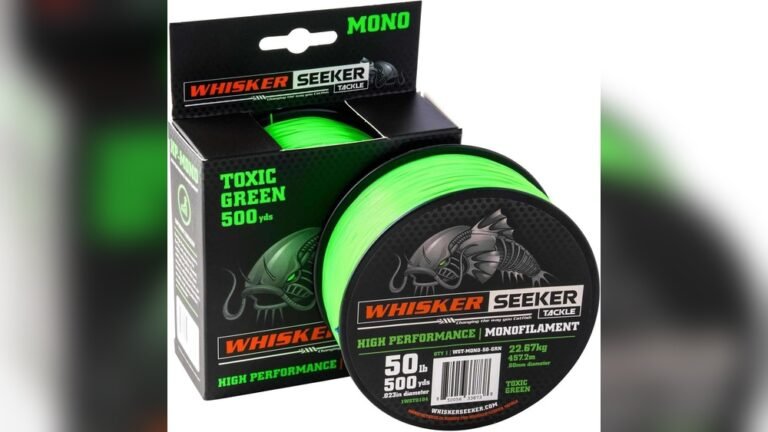
- Heavy tackle: Large catfish demand strong rods, reels, and line (often 50-pound test or more).
- Live or cut bait: Big catfish prefer large baits like live sunfish, shad, or chunks of skipjack herring.
- Deep holes and river bends: These locations often hold the largest catfish, especially in summer and winter.
- Night fishing: Many anglers have more success at night, when catfish are most active.
A key insight: Many record fish are caught while targeting smaller species with lighter tackle. This means luck plays a role, but targeting deep, slow-moving water with the right gear increases your chances.
Comparing Us Catfish Records To Other Countries
How do US records stack up globally? The US produces some of the world’s largest blue and flathead catfish, but other species overseas can rival or exceed these fish.
| Country | Species | Record Weight (lbs) | Location |
|---|---|---|---|
| United States | Blue Catfish | 143 | Kerr Lake, VA |
| Spain | Wels Catfish | 297 | Ebro River |
| Thailand | Mekong Giant Catfish | 646 | Mekong River Basin |
| United States | Flathead Catfish | 123 | Elk City Reservoir, KS |
While blue catfish and flathead catfish are US champions, the Wels catfish in Europe and the Mekong giant catfish in Southeast Asia can reach even larger sizes. However, most anglers agree that American catfish are among the strongest fighters, making them a favorite in the angling world.
How Catfish Records Are Verified
Setting a new record is not just about catching a big fish. There are strict rules to make sure the fish is weighed and documented correctly. Here’s what usually happens:
- Weighing: The fish must be weighed on certified, calibrated scales. Witnesses and photos are required.
- Species identification: A fisheries biologist or official must confirm the species. This is important, especially for catfish that look similar.
- Legal methods: The fish must be caught using legal tackle and methods. Some records exclude fish caught on trotlines or nets.
- Submission: The angler submits paperwork, photos, and sometimes the fish itself to state or national authorities.
- Verification: The record is reviewed, and, if approved, entered into official lists.
A common mistake: Not following these steps exactly can mean a huge fish does not count as a record. Many potential records are lost because the fish was not weighed on land or the right paperwork was not filed.
Conservation And The Future Of Catfish Records
With more people fishing for trophy catfish, conservation is a growing concern. Healthy catfish populations depend on:
- Catch-and-release: Many states encourage or require anglers to release large catfish.
- Habitat protection: Preserving riverbanks, spawning areas, and water quality is vital.
- Regulation enforcement: Limiting harvest of large fish helps keep populations balanced.
One insight beginners might miss: Large catfish are often decades old. Removing too many can harm the future of the fishery. Responsible anglers take photos, measure their catch, and release trophy fish whenever possible.
For more information on conservation efforts and responsible fishing, the US Fish and Wildlife Service provides valuable resources.
The Thrill And Challenge Of Chasing Catfish Records
Why do so many anglers dream of breaking a catfish record? For some, it’s the challenge—the patience required, the skill in reading water, and the excitement of a long fight. For others, it’s the connection to nature and local tradition.
Catfish records are a testament to the wildness still present in American waters and the possibility that anyone, on any given day, could land the fish of a lifetime.
If you hope to break a record, remember:
- Learn your local waters and where the biggest fish live.
- Use strong, reliable gear.
- Follow all regulations and record-keeping requirements.
- Practice conservation for future generations.
Credit: www.visitflorida.com
Frequently Asked Questions
What Is The Largest Catfish Ever Caught In The Us?
The largest catfish ever caught in the US is a blue catfish weighing 143 pounds, landed in Kerr Lake, Virginia, in 2011.
Which State Has The Most Catfish Records?
Texas and Missouri often dominate state record lists, thanks to their large river systems and reservoirs that support huge catfish populations.
How Old Are Record-size Catfish?
Record-size catfish can be very old. Some are estimated to be over 20-40 years old, depending on the species and the growth rate in their environment.
What Bait Works Best For Catching Giant Catfish?
Live or cut bait such as shad, sunfish, or skipjack herring are most effective for catching large catfish, especially blues and flatheads.
Can You Keep A Record Catfish Or Do You Have To Release It?
Rules vary by state. Some require releasing trophy fish, while others allow you to keep them if you follow proper documentation and weighing procedures. Always check local regulations before fishing for records.
The pursuit of catfish records is more than just numbers on a page. It’s about the adventure, the skill, and the respect for these incredible creatures. Whether you’re a seasoned angler or just curious about fishing history, the story of US catfish records reflects both the past and the promise of future legends in American waters.
I’m Mike Reynolds, a fishing writer and the author behind FishingSnap. I created FishingSnap to make fishing easier to understand for both beginners and experienced anglers.
My focus is simple: provide practical fishing information that people can actually use. I write about fishing techniques, gear and equipment, target species, fishing locations, regulations, and trip planning. I also create helpful tools and calculators to make choosing equipment and preparing for a fishing trip easier.
I believe good fishing information should be clear, practical, and honest. Instead of making things complicated, I try to explain what matters, why it matters, and how anglers can use that information on the water.
Through FishingSnap, my goal is to build a reliable fishing resource where readers can learn new skills, understand their equipment, discover new fishing opportunities, and make better-informed decisions before heading out.
I’m always interested in improving the information we publish. If you notice an error, have a useful suggestion, or want to share feedback about a guide, you can reach me through the FishingSnap contact page.
One Comment