Louisiana Catfish Fishing: Expert Tips for a Bountiful Catch
Louisiana Catfish Fishing
Louisiana’s winding rivers, vast bayous, and marsh-filled lakes make it a haven for anglers searching for catfish. From family outings to serious sport fishing, the state’s warm climate and fertile waters offer year-round opportunities to catch some of the largest and tastiest catfish in the United States. But what makes Louisiana catfish fishing so special? It’s a mix of tradition, biodiversity, and a unique blend of fishing techniques that have developed over generations.
If you’re looking to improve your catch, or you’re curious about why Louisiana is often called the “Catfish Capital of America,” this article will guide you through everything you need to know. You’ll learn where to fish, what gear to use, local regulations, and tips that even seasoned anglers might overlook. Whether you’re a beginner or an experienced hand, understanding the nuances of Louisiana catfish fishing can help you make the most of your time on the water.
Why Louisiana Is A Catfish Hotspot
Louisiana’s waters are perfect for catfish because of their warm temperatures, nutrient-rich environments, and a network of rivers and lakes that provide ideal spawning grounds. The state’s geography supports three main catfish species: channel catfish, blue catfish, and flathead catfish. Each of these species thrives in the muddy bottoms, slow-moving currents, and deep holes found across Louisiana.
Another reason for the state’s reputation is its culture of fishing. For many families, catfishing is more than a hobby—it’s a tradition passed down through generations. Community tournaments, local recipes, and even commercial farming contribute to making Louisiana a true catfish destination.
The Main Catfish Species In Louisiana
Understanding the differences between Louisiana’s main catfish species helps you choose the right bait, locations, and tactics.
| Species | Average Size | Top Locations | Best Baits |
|---|---|---|---|
| Channel Catfish | 2–5 lbs (can reach 20 lbs) | Mississippi River, Lake Pontchartrain | Stinkbaits, worms, cut bait |
| Blue Catfish | 10–40 lbs (trophy up to 100 lbs) | Red River, Atchafalaya River | Cut bait, shad, live baitfish |
| Flathead Catfish | 5–25 lbs (record 90+ lbs) | Ouachita River, Bayou Bartholomew | Live sunfish, goldfish, crayfish |
Channel Catfish
Channel catfish are the most common species in Louisiana. They’re popular for their mild flavor and are often caught in rivers, lakes, and even man-made ponds. These fish are aggressive feeders, especially after sunset.
Blue Catfish
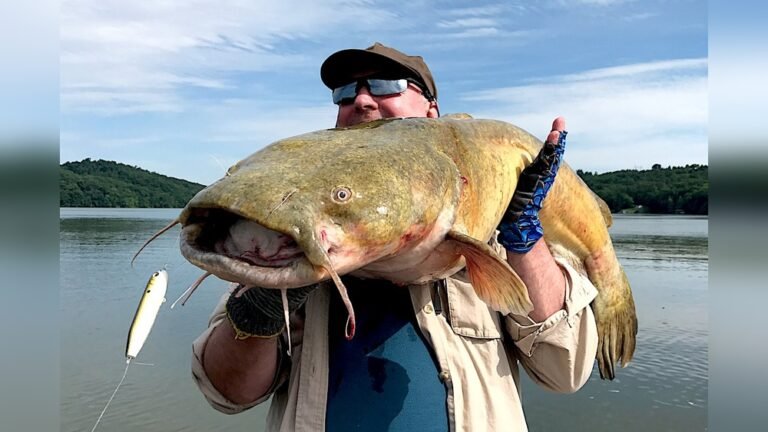
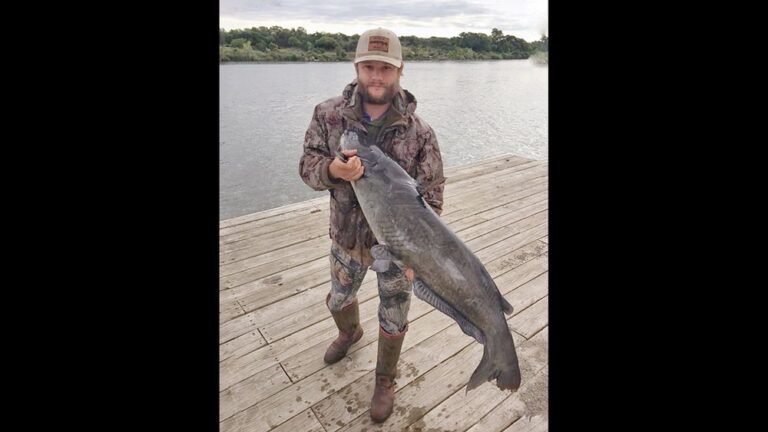
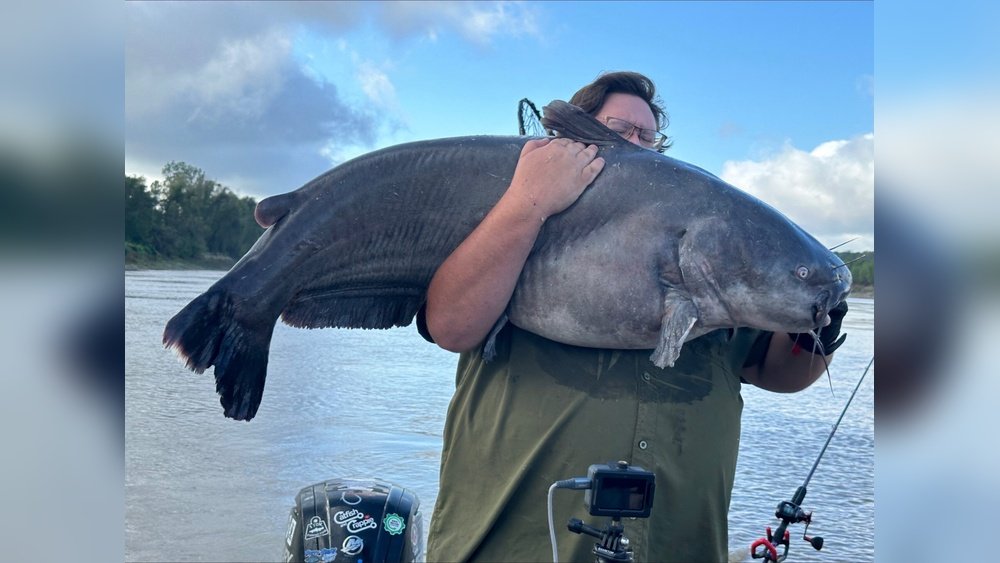
The blue catfish is famous for its size and strength. Some of the biggest catfish ever caught in Louisiana were blue cats, and they’re a target for trophy hunters. Their preferred habitat is large rivers with strong currents.
Flathead Catfish
Flathead catfish are less common but highly prized. They require different tactics—often involving live bait—and are usually found near submerged logs or deep holes. Flatheads are mostly nocturnal and can be wary of artificial lures.

Credit: www.louisianasportsman.com
Top Catfish Fishing Locations In Louisiana
From the massive Mississippi River to hidden bayous, Louisiana has a wealth of catfish spots. Here are some of the best:
- Mississippi River – This iconic river offers large blue and channel catfish. Look for deep holes near river bends and behind wing dams.
- Red River – Known for trophy blue catfish and consistent action. The stretch near Shreveport is especially popular.
- Atchafalaya Basin – The largest swamp in the U.S., filled with bayous and lakes. You’ll find all three main species here.
- Lake Pontchartrain – Close to New Orleans, with plenty of channel catfish and occasional blue cats.
- Ouachita River – Excellent for flathead catfish, especially near submerged timber.
- Bayou Bartholomew – Good numbers of flathead and channel catfish.
- Sabine River – Productive for channel and blue catfish, especially in the spring.
- Toledo Bend Reservoir – Popular with both bank and boat anglers.
- Vermilion River – A hotspot for locals, with easy access and good catfish numbers.
- Local Ponds and Canals – Don’t underestimate smaller water bodies; many are stocked and hold quality fish.
Urban Vs. Rural Spots
Urban fishing, such as in Baton Rouge or New Orleans canals, offers convenience but usually smaller fish. Rural areas, especially the Atchafalaya Basin, tend to yield bigger catches but may require more travel.
Catfish Fishing Techniques For Louisiana Waters
The methods you use can make a big difference, depending on the water and the catfish species.
Bank Fishing
Bank fishing is popular because many Louisiana waterways have easy access points. Use strong rods, heavy sinkers to hold in current, and fish near structure—like fallen trees or piers. Many anglers miss that casting too far out isn’t always best; sometimes catfish feed right at your feet, especially at night.
Boat Fishing
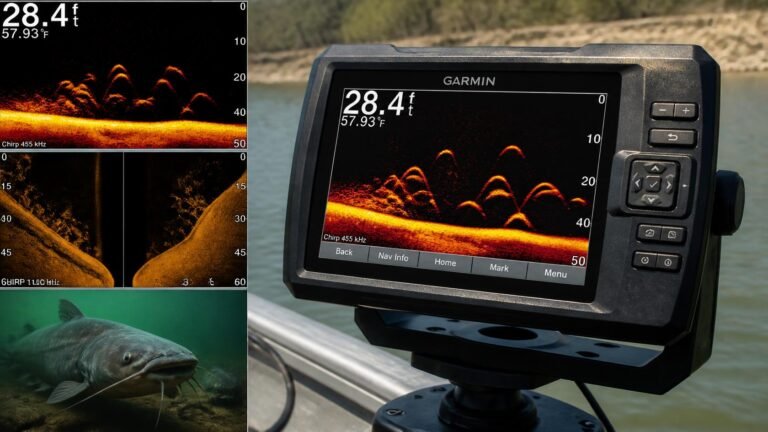
Fishing from a boat lets you reach deep channels and holes. Drift fishing is effective on the Mississippi and Red rivers. Use a fish finder to locate drop-offs or submerged logs, and anchor upcurrent to let your bait drift naturally.
Juglining And Trotlining
These traditional techniques involve multiple baited hooks on lines or floating jugs. They’re legal in most Louisiana waters, but always check local rules. Trotlines can cover more area, but beginners often forget to mark their lines clearly—this can lead to lost gear or fines.
Night Fishing
Catfish are most active at night, especially in summer. Use lights to attract baitfish (and catfish), but keep noise and movement low. Many new anglers overlook the importance of quiet—catfish can be easily spooked in shallow water.
Noodling (hand Fishing)
Noodling is legal in some Louisiana waters. It’s the practice of catching catfish with your bare hands, usually by feeling for them in holes or under logs. This method is not for everyone and requires experience, strong nerves, and awareness of local wildlife (like snapping turtles or snakes).
Essential Gear For Louisiana Catfish Fishing
Choosing the right gear increases your chances of landing a big Louisiana catfish.
Rods And Reels
- Medium-heavy rods (7–9 feet): Strong enough for big blues or flatheads.
- Spinning or baitcasting reels: Spinning reels are easier for beginners, but baitcasters offer more power for large fish.
- Line: 20–40 lb test monofilament or braided line is standard.
Hooks And Weights
- Circle hooks (2/0–8/0): Excellent for catfish—they set themselves and reduce gut-hooking.
- Egg sinkers or no-roll sinkers: Hold bait near the bottom in current.
- Leader material: 30–50 lb test to handle abrasion from rocks or debris.
Bait Options
- Live bait: Sunfish, shad, or minnows for flatheads.
- Cut bait: Fish pieces, especially for blue catfish.
- Prepared baits: Stinkbaits, chicken liver, or commercial dough for channel cats.
Other Essentials
- Landing net: Catfish have sharp spines; a net helps avoid injury.
- Pliers or hook removers: For safe hook removal.
- Gloves: Protect hands from spines and teeth.
| Gear Type | Recommended Specs | Why It Matters |
|---|---|---|
| Rod | Medium-heavy, 7–9 ft | Power for large fish, long casts |
| Reel | Spinning/baitcasting, size 4000+ | Holds strong line, smooth drag |
| Line | 20–40 lb monofilament/braid | Prevents break-offs, abrasion-resistant |
Best Baits For Louisiana Catfish
Choosing the right bait is often the difference between success and an empty cooler. While catfish will eat almost anything, local anglers know that matching the bait to the species and water is key.
Stinkbaits
These strong-smelling baits are favorites for channel catfish. They work best in warm, muddy water. Beginners often use too much bait on the hook—keep it small so the hook point is exposed.
Cut Bait
Pieces of shad, skipjack, or other fish are especially attractive to blue catfish. Fresh cut bait outperforms frozen because the scent is stronger.
Live Bait
Nothing beats a live sunfish or minnow for flathead catfish. Hook the baitfish through the lips or back and let it swim freely near structure.
Unusual Local Baits
Some Louisiana anglers swear by hot dogs, chicken liver, or even soap. These baits can work in heavily fished areas where catfish have seen every other bait.
Understanding Catfish Habits And Seasonal Patterns
To catch more catfish, it’s important to know when and where they feed.
Spring
Catfish move into shallow water to spawn, usually when water temperatures reach 70°F. Look for them near rocks, logs, or brush piles. This is the best time for large catches, but remember that handling spawning fish gently is important for conservation.
Summer
During hot weather, catfish feed mostly at night. Daytime fishing is best in deep holes or shaded areas. Many anglers miss that catfish will gather in water only a few degrees cooler—try fishing near springs or under docks.
Fall
Fish move back into shallower water as temperatures drop. This is a great time for both numbers and size. Use live bait or cut bait, and focus on transition zones where rivers meet lakes.
Winter
Catfish are less active but can still be caught in deep, slow-moving water. Use smaller baits and fish slowly.
Local Laws And Conservation
Louisiana has specific regulations for catfish fishing. Understanding these rules keeps you legal and protects fish populations for the future.
- License requirements: All anglers 16 and older need a valid Louisiana fishing license.
- Size and creel limits: Channel and blue catfish—no size limit, but daily bag limits apply (usually 100 fish combined). Flathead catfish—daily limit is 10.
- Gear restrictions: Juglines and trotlines are legal, but must be tagged with the owner’s information. Some waters have extra restrictions—always check before fishing.
- Noodling: Allowed only in certain areas and seasons.
Catch and release is encouraged for large fish, especially trophy-sized blue and flathead catfish. These big fish are important for breeding and maintaining healthy populations.
For the latest regulations, visit the Louisiana Department of Wildlife and Fisheries.

Credit: www.youtube.com
Common Mistakes Anglers Make
Even experienced anglers sometimes make errors that cost them fish.
- Fishing too fast: Catfish often take time to find and swallow bait. Patience is critical—wait before moving spots.
- Using the wrong hook size: Too small and you’ll miss big fish; too large and smaller fish won’t bite. Match hook size to bait and target species.
- Ignoring water temperature: Catfish feed differently at 60°F than at 80°F. Adjust your tactics as seasons change.
- Neglecting structure: Catfish love cover—logs, rocks, drop-offs. Don’t waste time in featureless water.
- Not checking local rules: Laws can change and vary by waterbody. Always check before setting lines.
Catfish Cooking And Louisiana Recipes
Catching catfish is only half the experience—eating them is the other! Louisiana is famous for its fried catfish, but there are many ways to prepare your catch.
Classic Fried Catfish
- Ingredients: 2 lbs catfish fillets, 1 cup cornmeal, 1 cup flour, 1 tbsp Cajun seasoning, salt, pepper, oil for frying.
- Instructions: Mix cornmeal, flour, and seasoning. Coat fillets and fry at 350°F until golden brown (about 3–4 minutes per side). Drain on paper towels.
- Serving size: Feeds 4 people.
Catfish Courtbouillon
A spicy tomato-based stew with catfish chunks, onions, peppers, and celery. Serve over rice for a classic Cajun meal.
Grilled Catfish
Brush fillets with olive oil, sprinkle with herbs, and grill 3–5 minutes per side. Try adding lemon slices for extra flavor.
Cooking Tips
- Always clean catfish thoroughly and remove any dark meat for a milder flavor.
- Soaking fillets in milk for an hour before cooking can reduce any “muddy” taste.
- Don’t overcook—catfish dries out quickly.
Catfish Tournaments And Community Events
Louisiana’s catfish tournaments are a big part of local culture. Events range from small-town derbies to large regional contests, often with cash prizes and community cookouts.
Popular events include:
- Red River Catfish Festival in Coushatta
- Bayou Bartholomew Catfish Rodeo
- Mississippi River Mega-Cat Tournament
Tournaments usually have strict rules on fish size, gear, and weigh-ins. They’re a great way to meet other anglers and learn new techniques.
Sustainability And The Future Of Catfish Fishing In Louisiana
Healthy catfish populations depend on responsible fishing. Overfishing, pollution, and habitat loss are real threats. Anglers play a key role in conservation:
- Release large fish: Big catfish are breeders. Keeping smaller fish for eating is better for the population.
- Report tagged fish: Some fisheries track catfish for research.
- Respect private property and access points: Many top spots are on private land; always get permission.
Louisiana also leads in catfish aquaculture, supplying much of the U. S. with farm-raised fish. This helps relieve pressure on wild populations and supports the state’s economy.
Non-obvious Insights For New Anglers
While most guides cover basic tactics, here are two tips that even some locals overlook:
- Pay attention to water clarity: After heavy rains, rivers get muddy. Catfish use scent more than sight, so switch to strong-smelling baits in dirty water. In clearer water, use live or cut bait for better results.
- Follow the food: Catfish often follow schools of shad or baitfish. If you see birds diving or baitfish jumping, fish nearby. Many beginners miss this easy signal.
Frequently Asked Questions
What Is The Best Time Of Year To Catch Catfish In Louisiana?
Spring and fall are the most productive seasons. Catfish are shallow and aggressive during spawning in late spring, and again feed heavily in fall. Summer nights are also excellent, especially for larger fish.
Do I Need A Special License To Use Trotlines Or Juglines?
A standard Louisiana fishing license covers most recreational methods, but you must tag trotlines and juglines with your name and address. Some waters have extra rules, so always check local regulations.
Are Catfish Safe To Eat From All Louisiana Waters?
Most Louisiana catfish are safe to eat, but check local health advisories for mercury or chemical warnings, especially near urban or industrial areas. Farm-raised catfish are always a safe bet.
What Size Catfish Is Best For Eating?
Fish between 1 and 5 pounds have the best flavor and texture. Larger fish can be tough or have a stronger taste. Always clean and cook catfish soon after catching for the freshest results.
Can You Fish For Catfish Year-round In Louisiana?
Yes, catfish are active all year. However, tactics change with the seasons—winter fishing is slower and requires smaller baits, while summer and fall offer faster action.
Louisiana’s catfish fishing is more than just casting a line—it’s a way to connect with nature, experience local culture, and enjoy some of the best food the state has to offer. With the right knowledge, gear, and respect for the resource, you’ll find the Bayou State’s catfishing is as good as it gets.

Credit: www.reddit.com

I’m Mike Reynolds, a fishing writer and the author behind FishingSnap. I created FishingSnap to make fishing easier to understand for both beginners and experienced anglers.
My focus is simple: provide practical fishing information that people can actually use. I write about fishing techniques, gear and equipment, target species, fishing locations, regulations, and trip planning. I also create helpful tools and calculators to make choosing equipment and preparing for a fishing trip easier.
I believe good fishing information should be clear, practical, and honest. Instead of making things complicated, I try to explain what matters, why it matters, and how anglers can use that information on the water.
Through FishingSnap, my goal is to build a reliable fishing resource where readers can learn new skills, understand their equipment, discover new fishing opportunities, and make better-informed decisions before heading out.
I’m always interested in improving the information we publish. If you notice an error, have a useful suggestion, or want to share feedback about a guide, you can reach me through the FishingSnap contact page.