Tennessee Catfish Fishing: Top Spots, Tips, and Tactics
Tennessee Catfish Fishing
For many anglers, Tennessee is a catfish paradise. The state’s wide rivers, scenic lakes, and warm climate create ideal conditions for trophy catfish and family-friendly fishing alike. Whether you’re looking for a peaceful day on the bank or chasing your next personal best, Tennessee’s waters hold endless opportunities.
But what really sets Tennessee apart is the mix of tradition, unique local tips, and sheer variety of fishing spots. If you want to make the most of catfish fishing in Tennessee, you need more than just a rod and bait, you need to know where to go, what to use, and how to fish smart.
Let’s explore the essentials, from prime locations to proven techniques, and uncover some secrets even seasoned anglers might overlook.
Why Tennessee Is A Catfish Hotspot
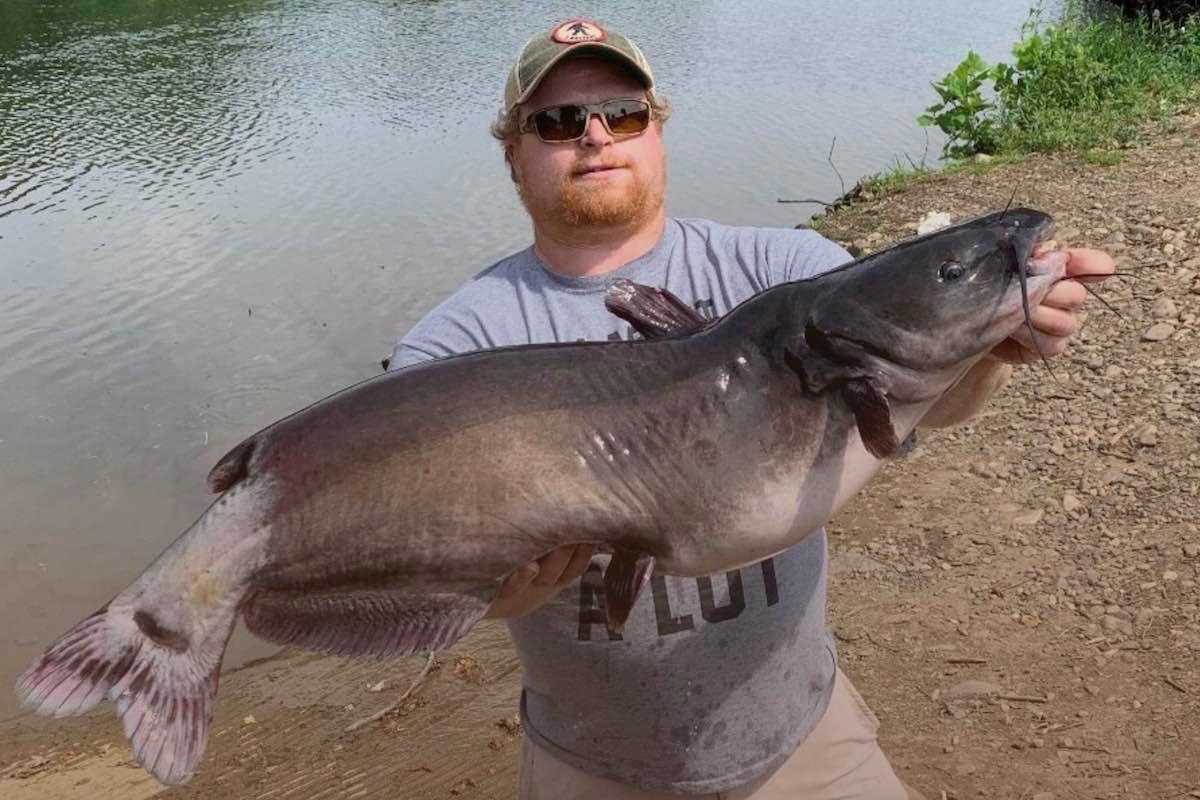
Tennessee’s rivers and lakes are famous for their healthy populations of blue catfish, channel catfish, and flathead catfish. These species thrive thanks to long growing seasons, abundant prey, and diverse habitats. The state’s location, bridging the Deep South and the Midwest, means catfish grow large and stay active for much of the year.
But there’s more. Tennessee’s fishing culture is strong. Many families pass down catfish recipes and fishing stories from generation to generation. Competitive tournaments, public access points, and conservation efforts ensure both beginners and experts can enjoy sustainable fishing.
Catfish Species In Tennessee
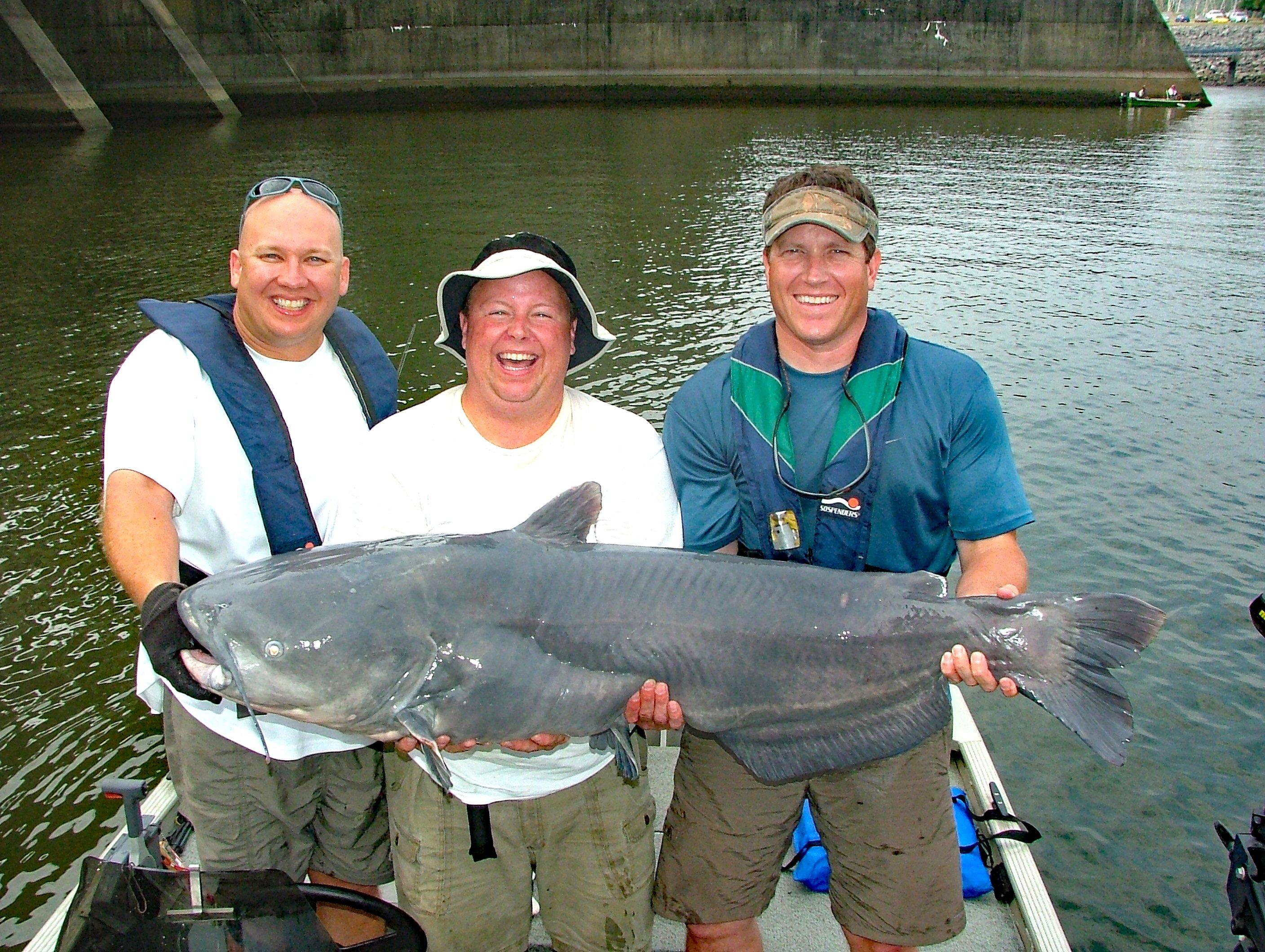
- Blue Catfish: Can grow over 100 pounds, especially in the Mississippi, Cumberland, and Tennessee Rivers.
- Channel Catfish: Abundant, often 1–10 pounds, excellent for eating, found in most lakes and rivers.
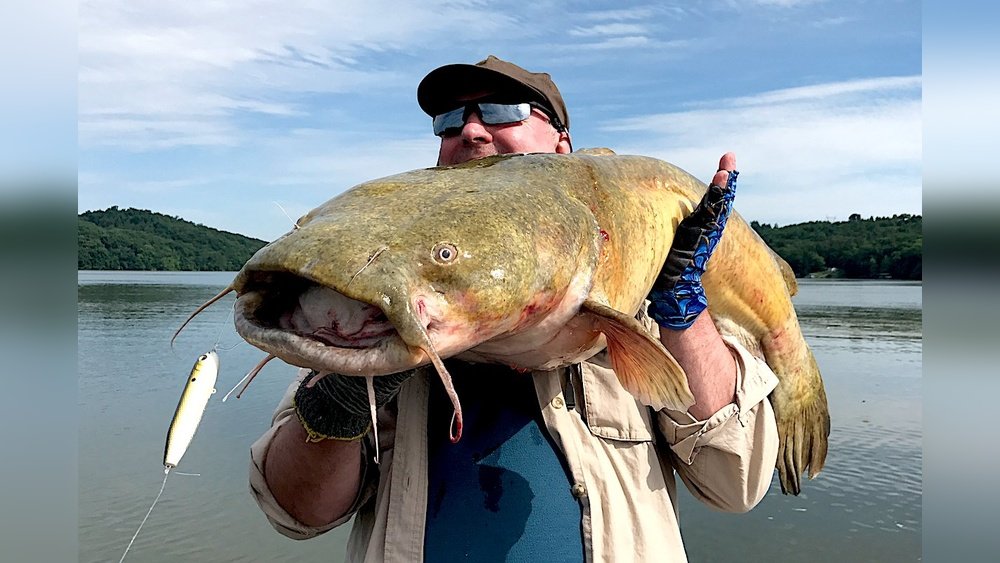
- Flathead Catfish: Known for their strength and size, often 20–50 pounds, prefer deep holes and cover.
Here’s a quick comparison of Tennessee’s main catfish species:
| Species | Average Size | Trophy Size | Best Habitat |
|---|---|---|---|
| Blue Catfish | 10–30 lbs | 80+ lbs | Large rivers, deep channels |
| Channel Catfish | 1–5 lbs | 20+ lbs | Lakes, rivers, ponds |
| Flathead Catfish | 10–30 lbs | 50+ lbs | Deep holes, woody cover |
Top Catfish Fishing Locations In Tennessee
Tennessee’s waters are packed with hotspots. But some places stand above the rest for catfish size, numbers, and accessibility.
1. Mississippi River
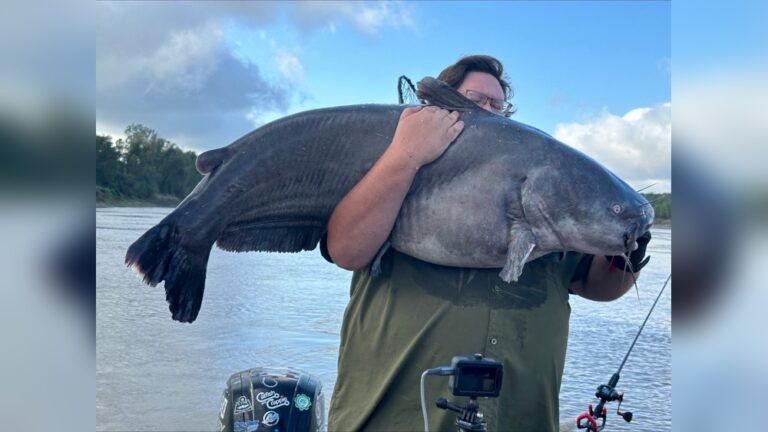
The Mississippi River forms the state’s western border and is home to some of the largest blue catfish in North America. Anglers regularly catch fish over 50 pounds, with some monsters exceeding 100 pounds. The river’s deep channels, log jams, and steady current make it a challenge, but the rewards are huge.
2. Tennessee River
From Pickwick Lake in the south to Kentucky Lake in the north, the Tennessee River is legendary for both quantity and quality. The section near Chattanooga is especially famous for big blue and flathead catfish. Many record-breaking fish come from here each year.
3. Cumberland River
Flowing through northern Tennessee, the Cumberland River offers excellent fishing for all three major species. The stretch near Clarksville is known for its healthy blue catfish population.
4. Chickamauga Lake
Part of the Tennessee River system, Chickamauga Lake is easy to access and perfect for families. Channel catfish are abundant, and there’s always a chance for a trophy blue or flathead.
5. Old Hickory Lake
Just outside Nashville, Old Hickory Lake is a favorite for channel catfish and night fishing. It’s well-stocked and has plenty of public access points.
6. Watts Bar Lake
Located between Chattanooga and Knoxville, Watts Bar Lake offers deep water and rocky areas ideal for big catfish. It’s a regular stop for catfish tournaments.
7. Reelfoot Lake
This shallow, cypress-filled lake is unique. It’s famous for numbers of channel catfish, especially in spring and early summer.
8. Fort Loudoun Lake
Close to Knoxville, Fort Loudoun Lake has healthy populations of channel and blue catfish. It’s popular for bank fishing and small boats.
9. Nickajack Lake
This scenic reservoir near Chattanooga is loaded with channel catfish and produces some surprisingly large blues and flatheads.
10. Percy Priest Lake
A popular spot for beginners, Percy Priest Lake near Nashville is well-stocked and easy to navigate. Channel catfish are the main target.
Here’s a summary of Tennessee’s top catfish waters:
| Location | Main Species | Notable Feature |
|---|---|---|
| Mississippi River | Blue, Flathead | Giant trophy fish |
| Tennessee River | Blue, Channel, Flathead | Consistent big catches |
| Cumberland River | Blue, Channel | Accessible urban spots |
| Chickamauga Lake | Channel, Blue, Flathead | Family-friendly |
| Reelfoot Lake | Channel | Shallow, cypress-lined |
Essential Gear For Tennessee Catfish Fishing
You don’t need fancy gear to catch catfish in Tennessee, but the right tools make a difference—especially if you’re targeting big fish. Here’s what you need for a successful outing.
Rods And Reels
- Medium-heavy to heavy rods: At least 7 feet for better casting and control.
- Strong spinning or baitcasting reels: A smooth drag system is crucial for big catfish.
Line And Hooks
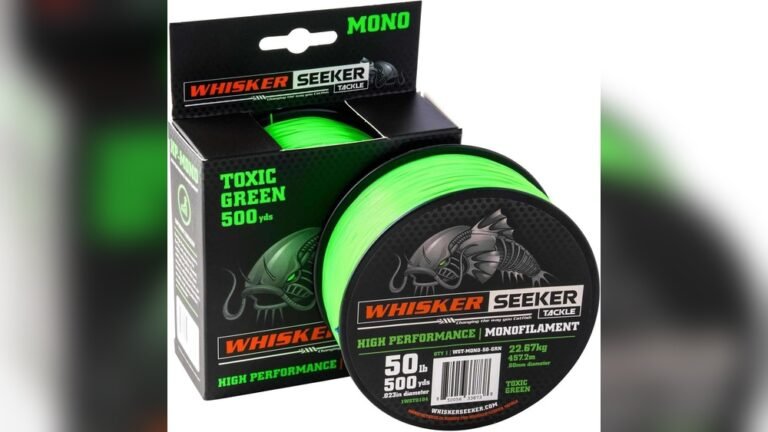
- 30–50 lb test braided or monofilament line: Catfish are powerful, especially in strong current.
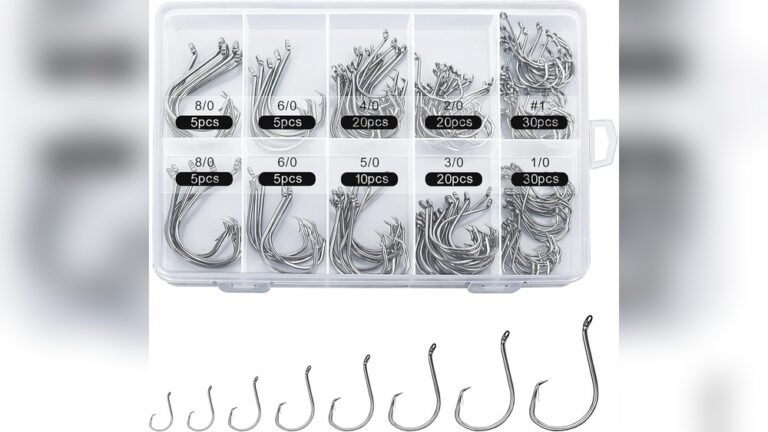
- Circle hooks (sizes 4/0–8/0): These increase hook-up rates and are safer for catch-and-release.
Other Must-haves
- Sinkers: Egg, no-roll, or bank sinkers from 1–4 ounces, depending on current.
- Swivels and leaders: Prevent line twist and increase abrasion resistance.
- Landing net or gripper: For handling large catfish safely.
- Gloves: Catfish have sharp spines; gloves protect your hands.
Bait Choices
Tennessee catfish aren’t picky, but some baits work better than others. Local anglers favor:
- Cut bait: Pieces of shad, skipjack, or bluegill (legal and effective).
- Live bait: Small sunfish or shad for flatheads.
- Prepared baits: Commercial stink baits and dough for channel catfish.
- Chicken livers: Cheap and easy for smaller catfish.
Non-obvious Gear Insights
Many beginners overlook the importance of rod holders when bank fishing. These keep your rod secure and prevent losing gear to a strong bite. Another tip: use a headlamp for night fishing—Tennessee catfish bite best after dark.
Proven Techniques For Catching Tennessee Catfish
Every angler has their favorite method, but a few techniques consistently produce fish in Tennessee.
Still Fishing (bottom Fishing)
This is the classic way to catch catfish. Cast your bait to the bottom, wait, and watch for a bite. Use enough weight to hold your bait in place, especially in rivers.
Drift Fishing
Drifting your bait along the current covers more water and helps find active fish. This works especially well on large lakes and wide rivers.
Jug Fishing
Floating jugs with baited lines are legal in many Tennessee waters. This method allows you to target multiple depths and locations at once. Always check local regulations for jug limits.
Trotlining
Trotlines are long lines with multiple hooks, anchored at each end. They are highly effective but require a permit on public waters. Trotlining is a traditional method, especially on the Mississippi and Tennessee Rivers.
Bank Fishing
Many of Tennessee’s best catfish spots are accessible from the shore. Use simple rigs and focus on areas with submerged logs or deep holes.
Night Fishing
Catfish are most active at night, especially in summer. Bring extra lighting and insect repellent. Night fishing is often less crowded and more productive.
Credit: realtree.com
When To Fish For Catfish In Tennessee
Catfish bite year-round, but some seasons offer better action.
Spring
Warming water brings catfish into shallow areas to feed. Use cut bait near creek mouths and flooded timber.
Summer
Peak time for big fish. Fish deep holes during the day and move shallow at night. Night fishing can be incredible.
Fall
Fish feed heavily before winter. Try drifting in main river channels with live or cut bait.
Winter
Catfish slow down but are still catchable, especially in power plant warm-water discharges or deep, slow holes. Use smaller baits and fish slowly.
Here’s how the seasons compare for catfish fishing:
| Season | Best Locations | Preferred Bait | Notes |
|---|---|---|---|
| Spring | Shallows, creek mouths | Cut bait, worms | High activity, spawning begins |
| Summer | Deep holes, river bends | Cut/live bait | Night fishing shines |
| Fall | Main river channels | Live bait, shad | Fish feed before winter |
| Winter | Deep, slow water | Small cut bait | Fish less active |
Regulations And Conservation
Tennessee wants to keep catfish populations healthy for future generations. That means following the rules and practicing smart conservation.
Statewide Regulations
- Daily limit: Varies by species and location, but often 5 blue or flathead catfish per day, no limit on channel catfish.
- Size limits: Some waters have minimum size limits (e.g., blue catfish must be over 34 inches on parts of the Tennessee River).
- Jug and trotline rules: Limits on number and tag requirements.
- License: All anglers 13 and older need a valid Tennessee fishing license.
Always check the latest regulations on the Tennessee Wildlife Resources Agency website before your trip.
Conservation Tips
- Practice catch and release for trophy-sized catfish—these big fish are important breeders.
- Use circle hooks to reduce injury to fish.
- Avoid overharvesting in small lakes and rivers.
- Report any invasive species you catch.
Insights Beginners Miss
Many anglers ignore local consumption advisories for catfish. Some waters have limits due to mercury or other contaminants. Always check advisories before eating your catch, especially for young children and pregnant women.
Catfish Fishing Tips From Tennessee Locals
While gear and bait matter, local knowledge is priceless. Here are some tips you won’t find in most guides:
- Watch the moon phase: Catfish often feed more aggressively around the new and full moon, especially at night.
- Try “stink holes”: Old-timers sometimes dump soured grain or chicken feed in one spot to attract catfish over days.
- Follow the birds: Gulls and herons often signal baitfish activity—where there’s bait, big catfish are close.
- Move often: If you haven’t had a bite in 30 minutes, try a new spot or depth.
- Keep your bait fresh: Catfish have a strong sense of smell, and fresh cut bait outperforms old, mushy pieces.
Safety And Comfort On The Water
Tennessee’s rivers and lakes are beautiful but can be dangerous if you’re unprepared.
Boating Safety
- Always wear a life jacket, especially when fishing alone or at night.
- Check your boat’s navigation lights before night trips.
- Watch for floating logs and sudden weather changes.
Bank Fishing Precautions
- Be cautious near steep or muddy banks.
- Wear sturdy shoes—broken glass and sharp rocks are common.
- Bring bug spray for mosquitoes and ticks.
Sun And Heat
- Summer fishing can be brutally hot. Wear a hat, sunglasses, and sunscreen.
- Bring more water than you think you need. Dehydration sneaks up fast.
Credit: www.gameandfishmag.com
Catfish Tournaments In Tennessee
Competitive catfishing is growing every year. Tennessee hosts dozens of tournaments—some for fun, others with big prizes. Most events focus on the Mississippi and Tennessee Rivers, but local clubs often host “big fish” nights on lakes.
Tournaments have strict rules about fish handling and release. They’re a great way to learn from experienced anglers and see some true river giants.
Popular Tournament Series
- King Kat Tournament Trail: National series with Tennessee stops.
- Tennessee River Catfish Club: Regular local events.
- Chickamauga Catfish Anglers: Active community for both beginners and pros.
Joining a tournament can help you improve your skills, make friends, and support conservation efforts.
Planning Your Tennessee Catfish Trip
To get the most from your trip, a little planning goes a long way.
When To Book
- Spring and early summer weekends fill up fast, especially near Nashville and Memphis.
- Reserve any needed lodging or boat rentals early.
What To Bring
- Valid fishing license
- Weather-appropriate clothing (rain gear, sun protection)
- Extra tackle and bait
- Cooler for keeping bait or storing fish
- First-aid kit
Guided Trips
Hiring a local guide is a smart move if you’re new to the area or want to target trophy fish. Guides supply gear, bait, and inside information you can’t get online.
Local Bait Shops
Tennessee’s small-town bait shops are treasure troves of advice. Buy a few items and ask for tips—the best spots might not be on the map.
Frequently Asked Questions
What Is The Best Time Of Year To Catch Catfish In Tennessee?
Late spring through early fall is prime time, especially at night. Catfish feed heavily as water warms. Winter can still produce fish in deep, slow water, but action slows down.
Do I Need A Special License For Catfish Fishing In Tennessee?
A regular Tennessee fishing license covers catfish in most waters. You may need extra permits for trotlines or certain trophy waters. Always check the latest rules on the Tennessee Wildlife Resources Agency website.
What Is The State Record For Catfish In Tennessee?
The state record blue catfish is a massive 112 pounds, caught in the Cumberland River. Flathead and channel catfish records are also impressive, often over 80 and 40 pounds, respectively. For up-to-date records, visit the official TWRA State Record Fish page.
Is Catfish Safe To Eat From Tennessee Waters?
Most Tennessee catfish are safe to eat in moderation, but some waters have advisories for mercury or PCBs. Check local guidelines, especially for pregnant women and children.
What’s The Most Effective Bait For Big Catfish In Tennessee?
Fresh cut bait, especially shad or skipjack, works best for large blue and flathead catfish. Channel catfish often prefer stink baits, chicken livers, or nightcrawlers.
Catfish fishing in Tennessee is more than just a pastime, it’s a tradition, a source of community, and a chance to connect with nature. With the right preparation, respect for the resource, and a little local knowledge, you can enjoy some of the best freshwater fishing the country has to offer.
Whether you’re after a quick meal or the fish of a lifetime, Tennessee’s waters are waiting. Grab your gear, check the rules, and get ready for a real adventure on the Volunteer State’s legendary lakes and rivers.

I’m Mike Reynolds, a fishing writer and the author behind FishingSnap. I created FishingSnap to make fishing easier to understand for both beginners and experienced anglers.
My focus is simple: provide practical fishing information that people can actually use. I write about fishing techniques, gear and equipment, target species, fishing locations, regulations, and trip planning. I also create helpful tools and calculators to make choosing equipment and preparing for a fishing trip easier.
I believe good fishing information should be clear, practical, and honest. Instead of making things complicated, I try to explain what matters, why it matters, and how anglers can use that information on the water.
Through FishingSnap, my goal is to build a reliable fishing resource where readers can learn new skills, understand their equipment, discover new fishing opportunities, and make better-informed decisions before heading out.
I’m always interested in improving the information we publish. If you notice an error, have a useful suggestion, or want to share feedback about a guide, you can reach me through the FishingSnap contact page.