Kayaking Vs Canoeing
Kayaking Vs Canoeing: A Complete Guide to Choosing Your Perfect Paddle Adventure
Whether you’re seeking the serenity of a quiet lake at dawn or the adrenaline rush of whitewater rapids, paddling sports offer some of the most immersive ways to experience the water. Kayaking and canoeing are two of the most popular options, each with its own unique heritage, gear, techniques, and communities. For newcomers and seasoned paddlers alike, the choice between kayaking and canoeing can shape your entire outdoor experience.
As someone who’s spent hundreds of hours on rivers, lakes, and coastlines in both kayaks and canoes, I’ve seen firsthand how these craft cater to different personalities, skill levels, and goals. This article will provide a comprehensive, side-by-side comparison of kayaking and canoeing, including their histories, equipment, safety considerations, and suitability for various water conditions.
Whether you’re planning a family outing, a fishing trip, or a solo expedition, understanding the core differences and similarities will help you make an informed choice and maximize your time on the water.
Key Takeaways
- Kayaking and canoeing differ significantly in boat design, paddling technique, and seating position, which impact comfort, speed, and maneuverability.
- Kayaks excel in speed and stability on rough or open water, while canoes offer versatility and ample storage for longer trips or group outings.
- Choosing between kayaking and canoeing should factor in water conditions, trip duration, group size, and experience level.
- Both sports offer excellent opportunities for fishing, fitness, family recreation, and wilderness exploration.
- Safety gear and proper instruction are critical for both, but especially important in challenging conditions or remote locations.
- Real-world examples and case studies illustrate how the right choice depends on individual goals and local environments.

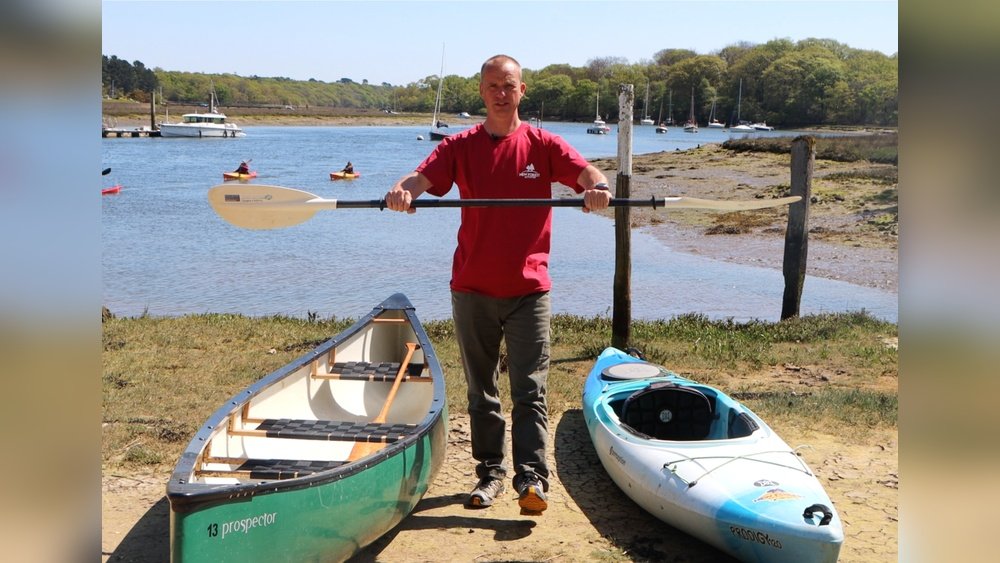
Credit: www.newforestactivities.co.uk
Historical Origins And Evolution
The Roots Of Kayaking
Kayaking traces its origins to the indigenous peoples of the Arctic, including the Inuit, Aleut, and Yup’ik tribes. These early kayaks, constructed from driftwood and animal skins, were designed for stealthy hunting in icy waters. The enclosed cockpit protected paddlers from the cold, while the double-bladed paddle enabled efficient travel and maneuverability.
With the rise of recreational paddling in the 19th and 20th centuries, kayak designs diversified for touring, whitewater, and sea kayaking. Today’s models use materials like fiberglass, polyethylene, and carbon fiber, offering greater durability and performance.
The Story Of Canoeing
Canoes have an even broader global history, with ancient versions found on nearly every continent. North American First Nations, especially in the Great Lakes and St. Lawrence regions, are renowned for their birchbark canoes, which revolutionized travel and trade. Canoes were prized for their cargo capacity and ease of portaging between waterways.
Modern canoes range from lightweight solo models to large expedition canoes. Construction materials now include aluminum, Kevlar, and advanced plastics, allowing for lighter and stronger boats.
How Design Reflects Purpose
The historical uses of both craft, kayaks for hunting, canoes for transport, still influence their form and function. Kayaks’ low profile and closed cockpit offer speed and agility, while canoes’ open hulls and higher sides provide space and versatility.

Credit: www.youtube.com
Boat Design And Equipment Comparison
Key Structural Differences
The most obvious distinction between kayaks and canoes is their design:
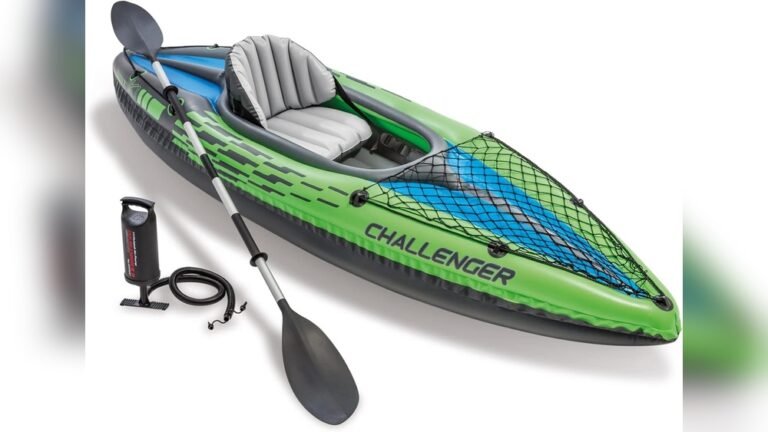
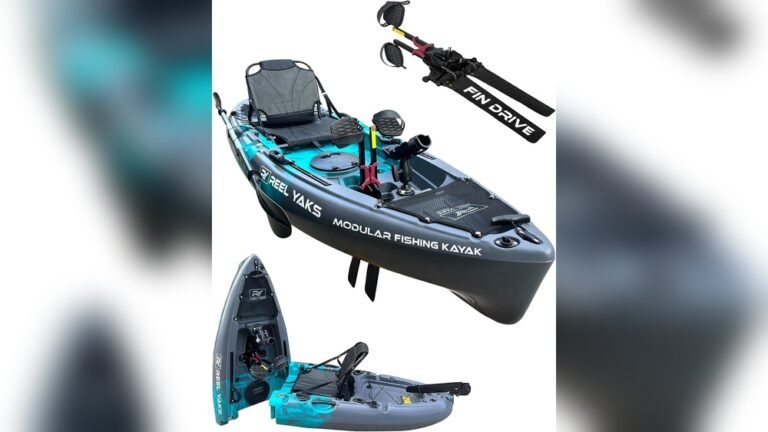
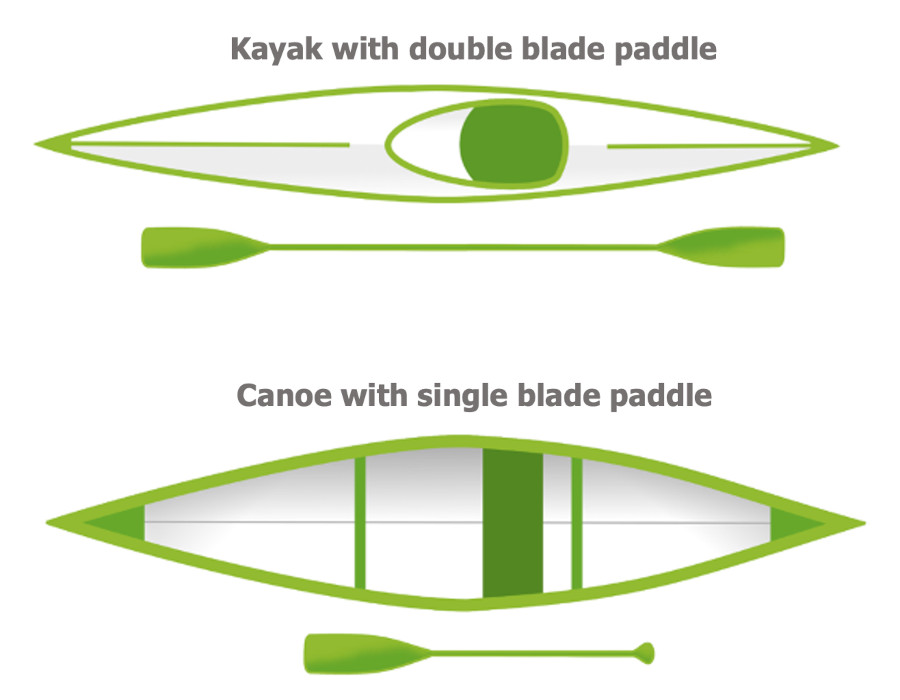
- Kayaks: Feature a closed cockpit where the paddler sits low, legs extended, with a double-bladed paddle. Some recreational and fishing kayaks are “sit-on-top,” offering an open deck.
- Canoes: Have an open hull, with paddlers sitting on benches or kneeling, using a single-bladed paddle.
The table below summarizes the main physical differences:
| Feature | Kayak | Canoe |
|---|---|---|
| Seating Position | Sitting with legs extended (cockpit or open deck) | Sitting on bench or kneeling (open hull) |
| Paddle Type | Double-bladed | Single-bladed |
| Hull Shape | Narrow, enclosed, lower to water | Wider, open, higher sides |
| Storage | Internal hatches/above deck | Open cargo area |
| Weight | Typically lighter for solo models | Heavier, especially for tandem or large canoes |
Materials And Weight
- Kayaks often use rotomolded polyethylene (affordable, durable), fiberglass (lightweight, stiffer), or high-end composites (Kevlar, carbon fiber).
- Canoes are made from aluminum, fiberglass, Royalex, and composites, with weight varying widely by size and material.
Pro Tip: When choosing a boat for remote trips requiring portages, prioritize weight and durability over cost.
Accessories And Outfitting
- Kayaks: Spray skirts (for cockpit sealing), foot braces, rudders/skegs, dry hatches, and fishing rod holders.
- Canoes: Thwart bars for rigidity, yoke for portaging, tie-downs for gear, and sometimes removable seats for customization.
Both require personal flotation devices (PFDs), paddles, and safety gear such as whistles and throw ropes.
Storage And Transport
Kayaks generally fit atop most vehicles with roof racks, but longer touring kayaks may require trailers. Canoes, being wider and bulkier, can be trickier to store and transport, especially for solo paddlers.
For more tips on transporting and storing fishing gear for ice fishing trips, see Best Ice Fishing Jigs for Walleye 2026: Top Picks to Buy Now.
Paddling Technique And Performance
Basic Paddling Techniques
- Kayaking: Uses a double-bladed paddle, alternating strokes on each side. The paddler’s torso rotation powers the stroke, and the low seating position maximizes leverage and stability.
- Canoeing: Employs a single-bladed paddle, typically on one side, with corrective strokes (such as the “J-stroke”) to keep the boat straight. Paddlers may switch sides for efficiency, especially in solo canoes.
Speed, Maneuverability, And Stability
Kayaks are generally faster and more agile due to their streamlined shape and efficient paddle stroke. Canoes offer greater initial stability (less “tippy” when getting in/out), but may be slower and more affected by wind.
The table below compares key performance metrics:
| Performance Factor | Kayak | Canoe |
|---|---|---|
| Top Speed | Higher (especially touring/sea kayaks) | Moderate (varies by hull shape) |
| Maneuverability | Excellent (especially whitewater/short kayaks) | Good for shorter canoes; less for long/loaded canoes |
| Stability | High secondary stability (less likely to capsize when moving) | High initial stability (easier to enter/exit) |
| Wind Resistance | Lower profile, less windage | Higher sides, more affected by wind |
Learning Curve
- Kayaks: Somewhat steeper learning curve, especially for rolling and wet exits. Sit-on-top models are more beginner-friendly.
- Canoes: Easier for families or beginners to start, but mastering advanced strokes takes practice.
Example: When I first taught a group of beginners, they felt more comfortable entering canoes, but quickly appreciated the speed and control of kayaks as their confidence grew.
Credit: www.paddleventure.com
Types Of Waterways And Ideal Uses
Flatwater And Recreational Paddling
Both kayaks and canoes excel on calm lakes, slow-moving rivers, and sheltered bays. Recreational kayaks (wide, stable, open cockpit) and family canoes are ideal for casual outings, wildlife watching, or picnicking.
Whitewater And Rapids
Whitewater kayaking is popular for its maneuverability and ability to handle technical rapids. Specialized kayaks feature reinforced hulls, shorter lengths, and sealed cockpits for rolling. Whitewater canoes exist but are less common and require more skill to control.
Touring And Expedition
- Sea/Touring kayaks (longer, with storage hatches) are built for covering long distances efficiently, handling waves, and carrying gear for multi-day journeys.
- Expedition canoes offer massive storage and can carry multiple paddlers and supplies, making them the craft of choice for backcountry river trips with portages.
Fishing Applications
Both canoes and kayaks have gained popularity with anglers, with specialized models offering mounting points for electronics, rod holders, and stability features.
For ice fishing enthusiasts, adapting your craft and gear is crucial. See Best Ice Fishing Lures for Panfish 2026: Top Picks for Smart Buyers for recommended lures and equipment.
Family And Group Outings
Canoes generally accommodate more people and gear, making them ideal for families, pets, or group camping trips. Tandem kayaks exist but can be less versatile for mixed groups.
Urban And Coastal Environments
Kayaks, especially sit-on-top models, are popular for city waterfronts and coastal touring, where wind and waves demand a lower profile and easier self-rescue.
Safety Considerations And Risk Management
Essential Safety Gear
Regardless of craft, all paddlers should wear a properly fitted life jacket (PFD). Additional essentials include:
- Whistle or signaling device
- Bilge pump (kayaks), bailer (canoes)
- Throw rope
- Helmet (for whitewater)
- Dry bag for valuables
Capsizing And Recovery
- Kayaks: Sit-on-top kayaks are easy to re-enter from the water, while sit-inside kayaks may require a “wet exit” or rolling technique. Practicing capsizing and recovery in a controlled environment is vital.
- Canoes: Easier to bail and re-enter in calm water, but more challenging in rough conditions.
Weather And Environmental Hazards
- Wind and waves: Affect canoes more due to higher sides; kayaks handle chop and surf better.
- Cold water: Hypothermia risk is significant in both crafts; dress appropriately and know local conditions.
Warning: Never paddle alone in remote or challenging waters without proper training, equipment, and communication plan.
Training And Skill Development
Taking a formal paddling course (through organizations like the American Canoe Association) significantly increases safety and enjoyment. Courses cover strokes, rescue techniques, navigation, and trip planning.
Cost, Accessibility, And Maintenance
Purchase And Rental Costs
- Kayaks: Entry-level recreational models start around $300, $600, while high-end touring or whitewater kayaks can exceed $2,000.
- Canoes: Basic models begin at $500, $1,000, with expedition or specialty canoes reaching $3,000+.
Renting is an affordable way to try both before buying. Many outfitters offer hourly, daily, or weekly rates.
Maintenance Requirements
- Kayaks: Rinse after saltwater use, check for hull cracks, lubricate moving parts (rudders/skegs).
- Canoes: Inspect for hull damage, treat wooden components, store upside down to prevent warping.
Storage And Transport
- Kayaks: Easier for solo handling, especially inflatable or folding models.
- Canoes: Require more space and strength to load/unload, but often lighter per foot for similar materials.
Accessibility For Different Users
- Kayaks: Lower entry point may be challenging for some; sit-on-top models are more accessible.
- Canoes: Higher seat and open hull make entry easier, especially for older adults or those with limited mobility.
Real-world Examples And Case Studies
Case Study: Family Lake Camping Trip
A family of four planned a two-night camping trip on a large inland lake. They chose a 16-foot canoe for its cargo space and stability, enabling them to carry tents, coolers, and fishing gear in one trip. The open hull also allowed their dog to join comfortably. They found that loading and unloading from a gently sloping beach was straightforward, and the canoe’s stability made fishing and swimming stops easy for all ages.
Example: Solo Sea Kayak Tour
An experienced paddler sought to cover 20 miles of coastal water in a day, navigating through wind, waves, and rocky shorelines. Using a 17-foot sea kayak, she appreciated the speed, tracking, and watertight storage for her camera and lunch. The low profile reduced wind drag, and the deck lines offered secure places to stash spare paddles and safety gear. Practicing self-rescue and rolling provided confidence in the event of capsize.
Example: Urban Kayak Fishing
In my experience, sit-on-top fishing kayaks have opened up urban waterways for quick after-work outings. With rod holders, stable platforms for casting, and easy re-entry if I tip over, they’re perfect for city lakes and slow rivers. I can launch from a small dock, store the kayak in a garage, and have all my gear within arm’s reach.
Case Study: Whitewater Adventure
A group of skilled paddlers tackled a Class III river section in both kayaks and specialized whitewater canoes. The kayakers navigated rapids with quick turns and practiced rolls, while the canoeists (kneeling, with flotation bags installed) used advanced strokes to maneuver and stay upright.
Both groups wore helmets and PFDs, and practiced rescue drills before the trip.
Environmental Impact And Conservation
Leave No Trace Principles
Both kayaking and canoeing, when practiced responsibly, have minimal impact on waterways. Paddlers should follow Leave No Trace guidelines:
- Pack out all trash
- Avoid disturbing wildlife or sensitive habitats
- Use established launch sites
Invasive Species Concerns
Moving boats between bodies of water risks spreading invasive species. Always rinse and dry your boat and gear after each trip, especially when moving between states or protected areas.
Supporting Conservation Efforts
Joining local paddling clubs or volunteering for river cleanups can help preserve waterways for future generations. Many organizations, such as the American Rivers and Leave No Trace Center for Outdoor Ethics, offer resources and events for paddlers.
Choosing The Right Craft For Your Needs
Decision Factors To Consider
When deciding between kayaking and canoeing, reflect on:
- Your Goals: Speed, distance, fishing, family outings, or adventure?
- Water Conditions: Flatwater, rapids, open ocean, or small lakes?
- Group Size: Solo, tandem, family, or group trips?
- Storage and Transport: Available space and vehicle capacity.
- Physical Ability: Comfort with sitting/kneeling positions, ease of entry/exit.
- Budget: Initial cost, accessories, and ongoing maintenance.
Quick Reference Table: Kayak Vs. Canoe
| Category | Kayak | Canoe |
|---|---|---|
| Best For | Solo paddling, speed, rough water, fishing | Groups, cargo, family trips, calm water |
| Learning Curve | Moderate (rolling, wet exits) | Easy to start, advanced strokes take practice |
| Capacity | 1, 2 paddlers, limited gear | 2, 4+ paddlers, large gear loads |
| Portability | Lightweight, more options (inflatable/folding) | Bulkier, but light for similar material/length |
| Fishing | Excellent (specialized models) | Good, more space for tackle and movement |
Try Before You Buy
Pro Tip: Rent or borrow different boats for a day. Testing in your target environment is the best way to find your ideal match.
Internal Links For Further Reading
If you’re interested in adapting paddling for ice fishing, check out:
- Best Ice Fishing Lures for Crappie 2026: Top Picks for Big Catches
- Best Ice Fishing Jigs for Trout 2026: Top Picks for Success
- Natural Bait for Ice Fishing: What Works Best for US Anglers
Frequently Asked Questions
What Are The Main Advantages Of A Kayak Over A Canoe?
Kayaks are generally faster, more maneuverable, and better suited for solo paddlers or rough water conditions. Their lower profile means less wind resistance, and modern sit-on-top models are easier to self-rescue. Many anglers prefer kayaks for fishing due to their stability and specialized accessories.
Are Canoes Or Kayaks Better For Long-distance Expeditions?
It depends on your priorities. Sea/touring kayaks cover long distances efficiently and handle waves well, while expedition canoes offer unmatched cargo space for gear and supplies, making them ideal for group or family wilderness trips. For solo long-distance travel, a touring kayak often provides better speed and weather protection.
Which Is Safer For Beginners: Kayaking Or Canoeing?
Both can be safe with proper instruction and equipment. Canoes offer more initial stability, which can feel safer for beginners, families, or those nervous about capsizing. However, sit-on-top kayaks minimize entrapment risk and are easy to re-enter if you fall out.
Always wear a PFD and start on calm water under supervision.
Can You Fish From Both Kayaks And Canoes?
Absolutely. Both have dedicated fishing models with rod holders, mounting options, and stability features. Fishing kayaks are popular for solo anglers and tight spaces, while fishing canoes provide space for multiple anglers, gear, and even pets. Choice depends on personal preference, target species, and water type.
What Should I Know About Paddling With Pets Or Children?
Both kayaks and canoes can accommodate pets and children, but canoes typically offer more space and easier entry/exit. Choose calm waters, ensure everyone wears PFDs (including pets), and bring snacks, shade, and hydration. For young children, short trips with frequent breaks are best.
Kayaking and canoeing each offer unique joys and challenges, and your best choice depends on your personal goals, local waterways, and group needs. Whether you’re drawn to the quiet rhythm of paddling a canoe on a misty lake or the excitement of slicing through whitewater in a kayak, both sports promise memorable adventures and a deeper connection to nature.
With the right preparation and mindset, you’ll find either craft can open up a lifetime of exploration on the water.

I’m Mike Reynolds, a fishing writer and the author behind FishingSnap. I created FishingSnap to make fishing easier to understand for both beginners and experienced anglers.
My focus is simple: provide practical fishing information that people can actually use. I write about fishing techniques, gear and equipment, target species, fishing locations, regulations, and trip planning. I also create helpful tools and calculators to make choosing equipment and preparing for a fishing trip easier.
I believe good fishing information should be clear, practical, and honest. Instead of making things complicated, I try to explain what matters, why it matters, and how anglers can use that information on the water.
Through FishingSnap, my goal is to build a reliable fishing resource where readers can learn new skills, understand their equipment, discover new fishing opportunities, and make better-informed decisions before heading out.
I’m always interested in improving the information we publish. If you notice an error, have a useful suggestion, or want to share feedback about a guide, you can reach me through the FishingSnap contact page.