Kayaking Vs Paddle Boarding: Which Water Sport Suits You Best?
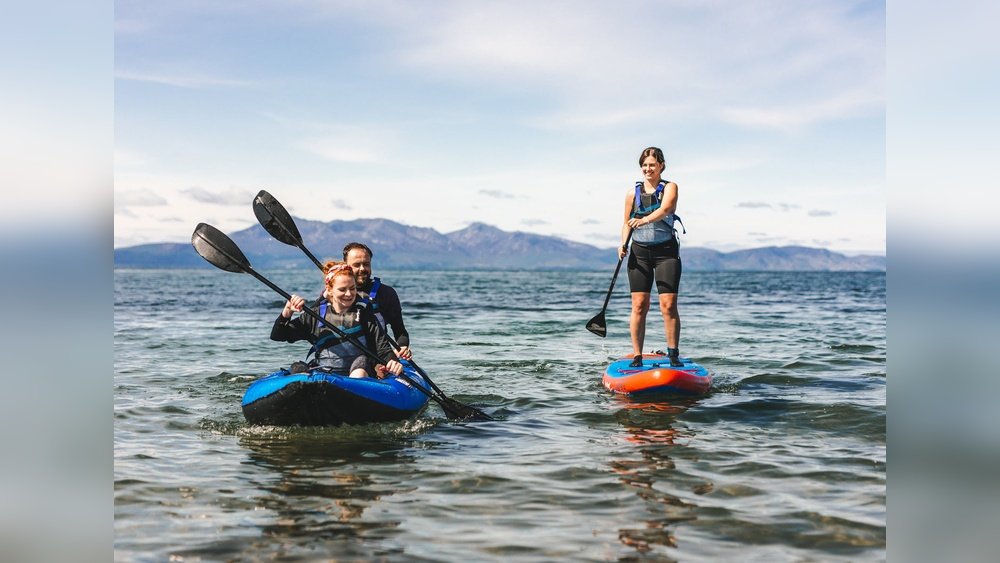
Kayaking and paddle boarding have surged in popularity, captivating outdoor enthusiasts seeking adventure, fitness, and tranquility on water. Both offer unique experiences, whether you’re gliding through serene lakes or tackling ocean waves, but choosing between them can be challenging. The decision hinges on factors like physical demands, equipment, accessibility, skill level, and personal goals.
For those new to water sports or seasoned paddlers looking to diversify, understanding the core differences and similarities is crucial.
This comprehensive guide explores kayaking vs paddle boarding, from equipment and technique to real-world examples and data-driven comparisons. With expert insights and actionable advice, you’ll be able to make an informed choice tailored to your needs, preferences, and local conditions. Whether you’re prioritizing fitness, adventure, or relaxation, we’ll help you navigate the pros and cons of each activity and maximize your time on the water.
Key Takeaways
- Kayaking and paddle boarding offer distinct benefits for fitness, adventure, and accessibility.
- Kayaking is ideal for longer journeys, rough water, and seated comfort; paddle boarding excels in balance, versatility, and social recreation.
- Equipment costs, maintenance, and storage differ significantly between both sports.
- Beginners may find paddle boarding easier to learn, but kayaking offers more advanced options for growth.
- Real-world examples illustrate how each activity fits diverse lifestyles and environments.
- Making the right choice depends on your goals, local conditions, and personal preferences.

Credit: irockersup.ca
Equipment And Gear Comparison
Choosing between kayaking and paddle boarding often starts with examining the equipment. Each sport requires specialized gear, impacting cost, convenience, and overall experience.
Kayak Types And Essential Gear
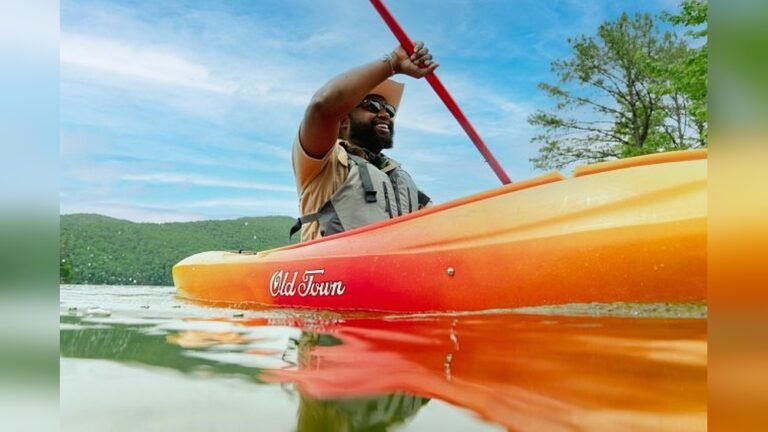
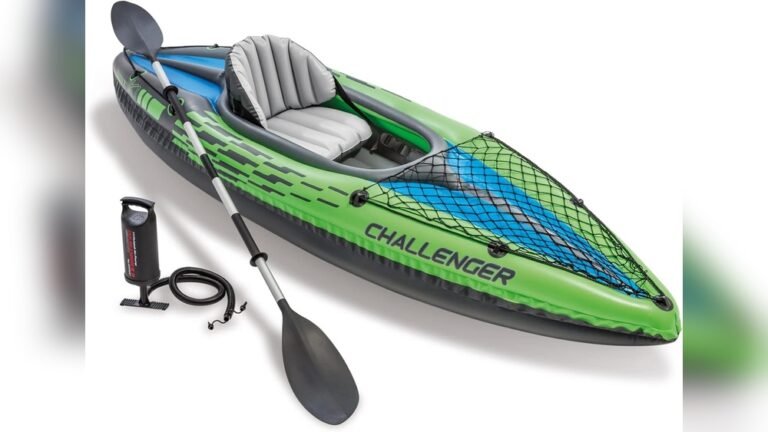
Kayaks come in various styles, including sit-in kayaks, sit-on-top kayaks, and inflatable kayaks. Each design suits different water conditions and skill levels.
- Sit-in kayaks offer protection from splashes and are favored for cold water or long-distance journeys.
- Sit-on-top kayaks are user-friendly, ideal for beginners, and allow easy entry and exit.
- Inflatable kayaks provide portability and ease of storage, though they may sacrifice durability.
Essential kayak gear includes:
- Paddle (usually double-bladed)
- Personal flotation device (PFD)
- Spray skirt (for sit-in kayaks)
- Dry bags for gear
- Helmet (for whitewater kayaking)
- Rudder or skeg (for tracking)
Paddle Board Types And Essential Gear
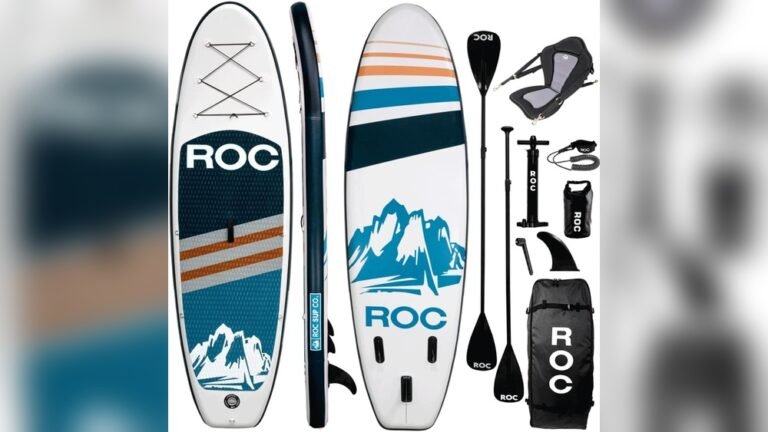
Stand-up paddle boards (SUPs) also vary:
- Hard boards (epoxy/fiberglass) are sturdy, fast, and preferred for performance.
- Inflatable SUPs are lightweight, portable, and ideal for travel.
- Touring SUPs offer stability for long-distance paddling.
Essential paddle boarding gear includes:
- Single-bladed paddle
- PFD (required by law in many areas)
- Leash (to keep the board attached)
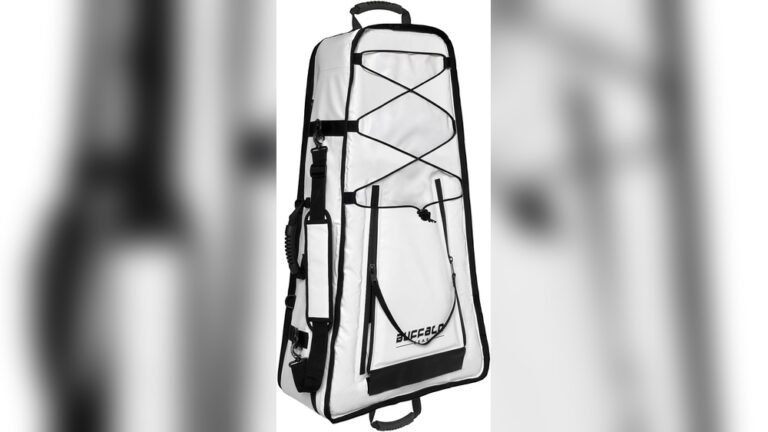
- Board bag (for protection and storage)
- Sun protection (hat, rash guard)
Data-driven Comparison Table
| Feature | Kayaking | Paddle Boarding |
|---|---|---|
| Average Equipment Cost | $300, $1,500 | $400, $1,200 |
| Portability | Moderate (inflatable options available) | High (inflatable SUPs are compact) |
| Storage | Requires more space | Less space; easier indoors |
| Maintenance | Regular cleaning, occasional repairs | Minimal; rinse and dry |
| Safety Gear | PFD, helmet, spray skirt | PFD, leash |
Example: Choosing Gear For A Weekend Trip
When planning a weekend lake excursion, I opted for an inflatable kayak due to its portability and quick setup. My friend brought her inflatable SUP, which fit easily in her car. Both setups allowed us to enjoy the water without worrying about cumbersome gear or expensive storage solutions.
Pro Tip:
For urban dwellers or those with limited storage, inflatable options are a game-changer, easy to transport, store, and maintain.
Physical Demands And Fitness Benefits
Both kayaking and paddle boarding are excellent for physical fitness, but they target different muscle groups and offer unique health advantages.
Cardiovascular And Muscular Engagement
Kayaking primarily works the upper body, shoulders, arms, chest, and back, due to repeated paddle strokes. It also engages the core for stability and leg muscles for bracing in rough water.
Paddle boarding is a full-body workout. Balancing on the board activates the core, legs, and glutes, while paddling tones shoulders and arms. SUP yoga, a popular variation, further enhances flexibility and balance.
Calories Burned And Exercise Intensity
According to the American Council on Exercise, kayaking burns approximately 300, 500 calories per hour, depending on intensity and water conditions. Paddle boarding averages 330, 460 calories per hour, with higher rates for SUP racing or yoga.
Table: Muscle Engagement Comparison
| Muscle Group | Kayaking | Paddle Boarding |
|---|---|---|
| Arms | High | Moderate |
| Shoulders | High | High |
| Core | Moderate | High |
| Legs | Low | High |
| Back | High | Moderate |
Example: Fitness Transformation Through Paddle Boarding
A Seattle resident began paddle boarding to complement her running regimen. Over six months, she noted improved core stability, reduced back pain, and enhanced balance, all while enjoying scenic views and peaceful water.
Warning:
If you have pre-existing joint or back issues, consult a healthcare professional before starting either sport. Both activities can strain muscles if performed incorrectly.

Credit: mdqwatersports.com
Accessibility And Learning Curve
Accessibility is a key factor for beginners, families, and those with mobility limitations. Both kayaking and paddle boarding offer entry points, but the learning curve varies.
Kayaking: Starting Out
- Kayak rentals are widely available at lakes, rivers, and coastal areas.
- Lessons are recommended for safety, especially for whitewater or sea kayaking.
- Basic skills include paddling, steering, and exiting the kayak safely.
- Entry barrier: Sitting position and paddle technique can be challenging for some.
Paddle Boarding: Beginner-friendly Approach
- SUP rentals are common at beaches and urban waterfronts.
- Intro classes focus on balance, paddling, and board safety.
- Learning curve: Standing up and balancing may take practice but is often easier for most adults and teens.
- Entry barrier: Falling into the water is common, but boards are stable and forgiving.
Table: Accessibility Comparison
| Aspect | Kayaking | Paddle Boarding |
|---|---|---|
| Beginner Lessons | Recommended | Optional |
| Rental Availability | High | High |
| Learning Curve | Moderate | Easy |
| Family-Friendly | Yes | Yes |
| Mobility Access | Seated position helps | Standing required |
Example: Family Outing Success
During a family reunion, we booked both kayaks and SUPs. Children and seniors found the kayaks easier due to the seated position, while teens enjoyed paddle boarding for its fun challenge and social aspects.
Pro Tip:
Try both sports through rentals or guided tours before purchasing equipment. This hands-on approach helps you identify your comfort level and preferences.

Credit: www.youtube.com
Versatility And Environmental Conditions
The adaptability of kayaking and paddle boarding to various environments is crucial for outdoor adventurers and travelers.
Kayaking: Suited For Diverse Waters
- Rivers: Kayaks excel in moving water, rapids, and whitewater.
- Lakes: Ideal for leisure paddling or fishing; stable and protected.
- Oceans: Sea kayaks offer speed and safety in coastal conditions.
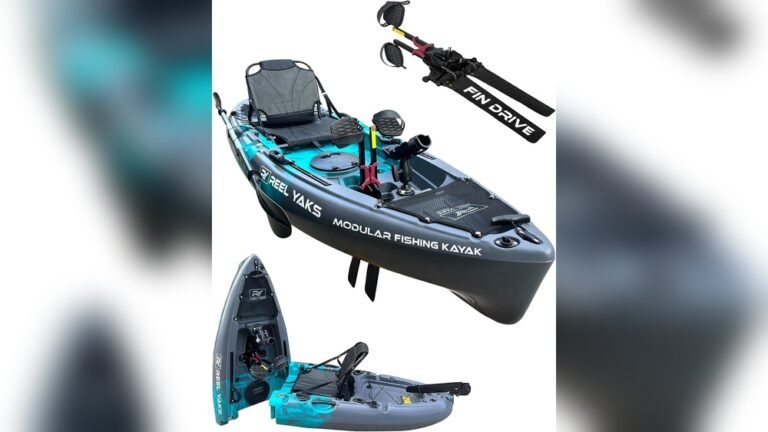
- Fishing: Specialized kayak fishing models support gear and stability.
Paddle Boarding: Broad Appeal
- Calm lakes: SUPs shine in flat water for leisure and yoga.
- Rivers: Suitable for gentle flows; whitewater SUPs exist but require skill.
- Oceans: Surf SUPs ride waves; touring boards handle longer distances.
- Social recreation: Paddle boarding is popular for group outings, races, and fitness classes.
Environmental Suitability Table
| Environment | Kayaking | Paddle Boarding |
|---|---|---|
| Whitewater | Excellent | Advanced only |
| Flat Lakes | Good | Excellent |
| Coastal/Ocean | Excellent (sea kayak) | Good (touring/Surf SUP) |
| Fishing | Excellent (special kayaks) | Moderate (some SUPs) |
| Yoga/Recreation | Moderate | Excellent |
Example: Urban Paddle Boarding
In Austin, Texas, paddle boarding on Lady Bird Lake has become a staple for residents seeking recreation and exercise. Groups gather for SUP yoga and sunset paddles, transforming urban waterways into active community hubs.
Pro Tip:
Match your sport to local conditions, kayaking for rivers and rough water, paddle boarding for calm lakes and social events.
Adventure And Exploration Potential
For thrill seekers and explorers, kayaking and paddle boarding offer distinct opportunities to push boundaries and discover new landscapes.
Kayaking: Expedition And Wilderness Travel
Kayaks are designed for long-distance journeys, overnight trips, and wilderness exploration. Sea kayaks with storage compartments enable multi-day adventures across lakes, rivers, or coastal routes.
Notable kayak expeditions include:
- The Yukon River Quest: A 444-mile race attracting kayakers worldwide.
- Lake Superior crossings: Challenging conditions, scenic beauty.
Paddle Boarding: Day Trips And Racing
SUPs excel in day trips, racing events, and group exploration. Touring boards accommodate longer paddles, while racing SUPs are engineered for speed and maneuverability.
Competitive SUP events:
- Molokai 2 Oahu Paddleboard World Championships: A renowned ocean race.
- Local SUP races: Growing in popularity across the US.
Example: Kayak Camping
A group of kayakers in Maine used sea kayaks for a three-day camping trip along the coast. The boats carried tents, food, and gear, allowing access to remote islands and wildlife viewing.
Adventure Comparison Table
| Aspect | Kayaking | Paddle Boarding |
|---|---|---|
| Multi-Day Trips | Excellent (storage) | Limited (minimal gear) |
| Racing | Moderate | Excellent |
| Wildlife Viewing | Excellent | Good |
| Group Activities | Good | Excellent |
| Camping | Excellent | Limited |
Pro Tip:
If you crave overnight expeditions or remote exploration, kayaks are your best bet. For group fun and racing, paddle boards offer unmatched versatility.
Safety Considerations And Risks
Safety is paramount in any water sport. Understanding the risks and best practices for kayaking and paddle boarding ensures a positive experience.
Kayaking: Common Risks And Precautions
- Capsizing: Sit-in kayaks can fill with water; learn self-rescue techniques.
- Hypothermia: Cold water exposure is a serious threat; wear appropriate gear.
- Drowning: Always wear a PFD and avoid hazardous conditions.
- Weather: Sudden storms can endanger kayakers, especially on open water.
Kayaking safety tips:
- Take a certified kayaking course.
- Check weather forecasts and water levels.
- Carry a whistle and signaling device.
Paddle Boarding: Common Risks And Precautions
- Falling off: Most falls are harmless; boards are stable.
- Sun exposure: Standing increases risk of sunburn; use protection.
- Strong currents: Paddle boards are harder to steer in wind or tide.
- Equipment loss: Use a leash to prevent losing your board.
Paddle boarding safety tips:
- Start in calm, shallow water.
- Wear a PFD and leash.
- Avoid paddling alone in remote areas.
Example: Safety Success Story
During a SUP race on the Potomac River, participants faced strong currents and unexpected weather. PFDs, leashes, and a trained safety crew prevented injuries and ensured everyone returned safely.
Warning:
Water sports carry inherent risks. Always check local regulations, wear safety gear, and paddle within your skill level.
Cost, Maintenance, And Long-term Value
Budget plays a major role in choosing a water sport. Initial investment, ongoing maintenance, and resale value affect your decision.
Kayaking: Investment And Upkeep
- Initial cost: $300, $1,500 for quality kayaks; accessories add to expenses.
- Maintenance: Clean after each use, inspect for cracks, store properly.
- Resale value: Durable kayaks retain value if maintained well.
Paddle Boarding: Investment And Upkeep
- Initial cost: $400, $1,200 for inflatable or hard SUPs.
- Maintenance: Rinse after use, dry thoroughly, avoid prolonged sun exposure.
- Resale value: Inflatable SUPs depreciate faster; hard boards hold value.
Table: Cost Comparison
| Cost Factor | Kayaking | Paddle Boarding |
|---|---|---|
| Entry-Level Equipment | $300, $500 | $400, $600 |
| Premium Equipment | $1,200, $1,500 | $900, $1,200 |
| Annual Maintenance | $50, $100 | $20, $50 |
| Resale Value | Good | Moderate |
Example: Long-term Savings
Over five years, I invested in a mid-range kayak and paddle board. The kayak required more maintenance and storage costs, but its durability allowed me to sell it at a favorable price. The SUP, while easier to maintain, depreciated slightly faster but offered lower upfront costs.
Pro Tip:
Consider used gear from reputable sources. Rental programs are also a cost-effective way to enjoy both sports without committing to a purchase.
Community, Social Aspects, And Events
The social side of kayaking and paddle boarding influences enjoyment and motivation, particularly for those seeking community or group activities.
Kayaking Communities And Events
- Clubs: Kayaking clubs organize trips, races, and safety workshops.
- Events: Annual races, eco-tours, and cleanup initiatives unite enthusiasts.
- Online forums: Resources for advice, trip planning, and gear reviews.
Paddle Boarding Communities And Events
- SUP yoga classes: Combine fitness and social interaction.
- Group paddles: Popular in urban and coastal areas.
- Races and festivals: SUP events attract large crowds and diverse participants.
- Social media: Instagram and Facebook groups for sharing experiences.
Example: Sup Group Fitness
In San Diego, SUP fitness classes draw dozens of participants weekly. The combination of exercise, community, and scenic views makes paddle boarding a favorite for social recreation.
Pro Tip:
Search for local clubs or groups to enhance your experience. Both kayaking and paddle boarding offer opportunities for networking, skill development, and shared adventure.
Real-world Examples And Case Studies
Case studies highlight how kayaking and paddle boarding fit different lifestyles, goals, and environments.
Example 1: Kayaking For Fishing
An angler in Minnesota used a fishing kayak to reach prime walleye spots inaccessible from shore. The kayak’s stability and gear mounts improved his catch rate, and he referenced the guide on best ice fishing jigs for walleye to optimize his tackle selection.
Example 2: Paddle Boarding For Social Wellness
A group of friends in Miami adopted paddle boarding for weekend outings, combining SUP yoga and casual paddling. The activity fostered connection, reduced stress, and encouraged healthy routines.
Example 3: Kayaking For Wildlife Photography
A wildlife photographer used a sea kayak to quietly approach nesting birds in Alaska. The kayak’s stealth and maneuverability allowed for close-up shots without disturbing habitats.
Example 4: Paddle Boarding For Urban Recreation
Chicago’s waterfront SUP rentals made paddle boarding accessible for city dwellers. Inflatable boards allowed easy transport on public transit, supporting active lifestyles.
Example 5: Kayaking For Multi-day Adventure
A couple kayaked the Boundary Waters Canoe Area, carrying camping gear for a week-long journey. The experience offered solitude, challenge, and immersion in nature.
Example 6: Paddle Boarding For Group Racing
Local SUP races in California brought together competitors of all ages. The inclusive atmosphere and friendly rivalry boosted participation and community spirit.
Frequently Asked Questions
What Is Easier For Beginners: Kayaking Or Paddle Boarding?
Most beginners find paddle boarding easier to learn due to the simple standing technique and broad stability of the board. However, kayaking offers a more comfortable seated position, which can be beneficial for those who struggle with balance or mobility. Both sports offer accessible entry points, but paddle boarding tends to be quicker for most adults and teens to master.
Can You Fish From A Paddle Board Or Kayak?
Yes, both are viable platforms for fishing. Kayak fishing is especially popular, with specialized models featuring rod holders, storage, and stability. Paddle boards can be used for fishing in calm waters, offering a unique vantage point and mobility. For targeting species like crappie or perch, check out guides such as best ice fishing lures for perch for tackle advice tailored to each sport.
Which Sport Is Safer In Rough Water Conditions?
Kayaking is generally safer in rough water, especially with sit-in or sea kayaks designed for stability and protection. Paddle boards are best suited for calm or moderate conditions; advanced SUP paddlers can handle surf or mild rapids, but risks increase with strong currents and wind. Always choose gear and routes appropriate for your skill level and consult local safety guidelines.
How Do Maintenance And Storage Requirements Differ?
Kayaks require more maintenance and storage space, especially hard-shell models. Cleaning, inspecting for damage, and proper storage are essential. Paddle boards, especially inflatables, are easier to clean, dry, and store in small spaces. However, both need protection from sun and moisture to prolong lifespan.
Used gear can be a cost-effective option if maintained well.
Are There Competitive Events For Both Sports?
Yes, both sports have thriving competitive scenes. Kayaking features races, whitewater events, and endurance challenges like the Yukon River Quest. Paddle boarding

I’m Mike Reynolds, a fishing writer and the author behind FishingSnap. I created FishingSnap to make fishing easier to understand for both beginners and experienced anglers.
My focus is simple: provide practical fishing information that people can actually use. I write about fishing techniques, gear and equipment, target species, fishing locations, regulations, and trip planning. I also create helpful tools and calculators to make choosing equipment and preparing for a fishing trip easier.
I believe good fishing information should be clear, practical, and honest. Instead of making things complicated, I try to explain what matters, why it matters, and how anglers can use that information on the water.
Through FishingSnap, my goal is to build a reliable fishing resource where readers can learn new skills, understand their equipment, discover new fishing opportunities, and make better-informed decisions before heading out.
I’m always interested in improving the information we publish. If you notice an error, have a useful suggestion, or want to share feedback about a guide, you can reach me through the FishingSnap contact page.