Natural Bait for Ice Fishing: What Works Best for US Anglers
Ice fishing is a unique part of angling. When the lakes freeze, dedicated anglers in the US grab their augers and set out onto the ice, looking for the next big catch. But even with all the right gear, your choice of bait can make or break your day. Natural bait, like leeches, nightcrawlers, and even crickets, offers a tempting meal for cold-water fish. But does it really work under the ice? Which fish will bite? And are there special tricks or rules you need to know? This guide covers everything US anglers need to know about using natural bait for ice fishing, including answers to the most-searched questions and expert advice for getting more bites.
Why Natural Bait Matters For Ice Fishing
Natural bait has been used for centuries. It gives off scent, moves in the water, and looks real to fish. Under the ice, conditions are harsh—cold water slows fish metabolism, and visibility is often low. Fish can be picky and sluggish, so presenting something that smells and looks like food is crucial.
Many US ice anglers target species such as crappie, bluegill, perch, walleye, trout, and northern pike. Each of these fish responds differently to bait. Natural bait can make a difference, but only if you use the right kind for the conditions and species.
Common Natural Bait Types For Ice Fishing
Several types of natural bait are popular in the US for ice fishing. Here are the main options, along with their general strengths and weaknesses:
| Bait Type | Best Target Fish | Main Advantages | Main Limitations |
|---|---|---|---|
| Leeches | Walleye, Perch, Pike | Strong scent, lively movement, durable | Less active in cold, can be hard to find |
| Nightcrawlers | Perch, Bluegill, Crappie, Trout | Easy to find, versatile, strong scent | Less lively in cold, fragile |
| Crickets | Bluegill, Crappie, Perch | Natural insect profile, attractive to panfish | Rare in winter, freeze quickly |
| Chumming | Perch, Crappie, Bluegill | Draws fish in, works for schools | Regulations vary, limited effect on predators |
Understanding how and when to use each of these baits is key. Let’s look at the most common questions US anglers have about each option.

Credit: www.acmetackle.com
Are Leeches Good For Ice Fishing?
Many anglers wonder about leeches: they’re famous for summer fishing, especially for walleye. But what about during the ice season?
Leeches And Cold Water
Leeches are cold-blooded, so they move less and even become dormant in icy water. Some bait shops stop carrying them in winter. However, if you can find or store leeches, they can still work—especially for species like walleye, perch, and even northern pike.
Which Fish Respond To Leeches?
- Walleye: Often attracted to leeches, especially early and late in the ice season when water is slightly warmer.
- Yellow Perch: Will take small leeches, especially in mid-winter.
- Northern Pike: Sometimes hit large leeches, but prefer bigger prey.
- Crappie and Bluegill: Rarely bite leeches in winter; they prefer insects or worms.
Advantages Of Using Leeches
- Durability: Leeches stay on the hook better than worms.
- Strong Scent: Even when sluggish, they release scent.
- Natural Movement: If the water is not too cold, they can twitch and attract fish.
Limitations
- Availability: Hard to buy or collect in winter in most US states.
- Low Activity: In very cold water, leeches may curl up and barely move.
- Storage: Need to be kept cool but not frozen. If frozen, they die.
Practical Tips For Using Leeches Under The Ice
- Use small leeches (1–2 inches) for perch and walleye.
- Hook through the sucker end to keep them alive longer.
- Try adding a gentle jigging motion to make the leech move.
- For slow leeches, pinch the tail slightly to trigger movement.
- Use a slip bobber or set line to keep bait just off the bottom.
Regulation And Seasonal Notes
In some US states, using live leeches is regulated or banned, especially to prevent the spread of invasive species. Always check your state’s fishing rules before using leeches.
Non-obvious insight: Many ice anglers overlook the power of “softened” leeches. If you have frozen leeches, soaking them in cool water can sometimes revive slight movement—even if they’re not fully alive, their scent can be effective.
Do Nightcrawlers Work For Ice Fishing?
Nightcrawlers—earthworms—are a classic bait for many fish. But are they good for ice fishing?
Why Nightcrawlers Can Be Effective
Fish like bluegill, crappie, perch, and even trout eat worms year-round. Nightcrawlers give off a strong, natural scent, and their soft texture is easy for fish to eat. In winter, fish metabolism slows, so smaller pieces of worm often work better than whole ones.
Which Fish Bite Nightcrawlers?
- Perch: Love small pieces of worm, especially on small jigs.
- Bluegill: Very responsive to nightcrawlers, especially in shallow water.
- Crappie: Will bite worms, but often prefer insects or minnows.
- Trout: Will take worms, especially stocked rainbows in lakes.
- Walleye: Sometimes hit worms, but minnows or leeches are preferred.
Advantages Of Using Nightcrawlers
- Readily Available: Most bait shops sell them year-round, and they’re easy to store.
- Versatile: Work on jigs, tip-ups, or plain hooks.
- Attracts Many Species: Almost all panfish and trout will eat worms.
Limitations
- Less Active: In cold water, worms lose their wiggle quickly.
- Fragility: They break apart on the hook and can be stolen by small fish.
- Scent Loss: After a while, dead worms lose scent and need to be replaced.
How To Use Nightcrawlers For Ice Fishing
- Cut worms into smaller pieces (about 1 inch) for panfish.
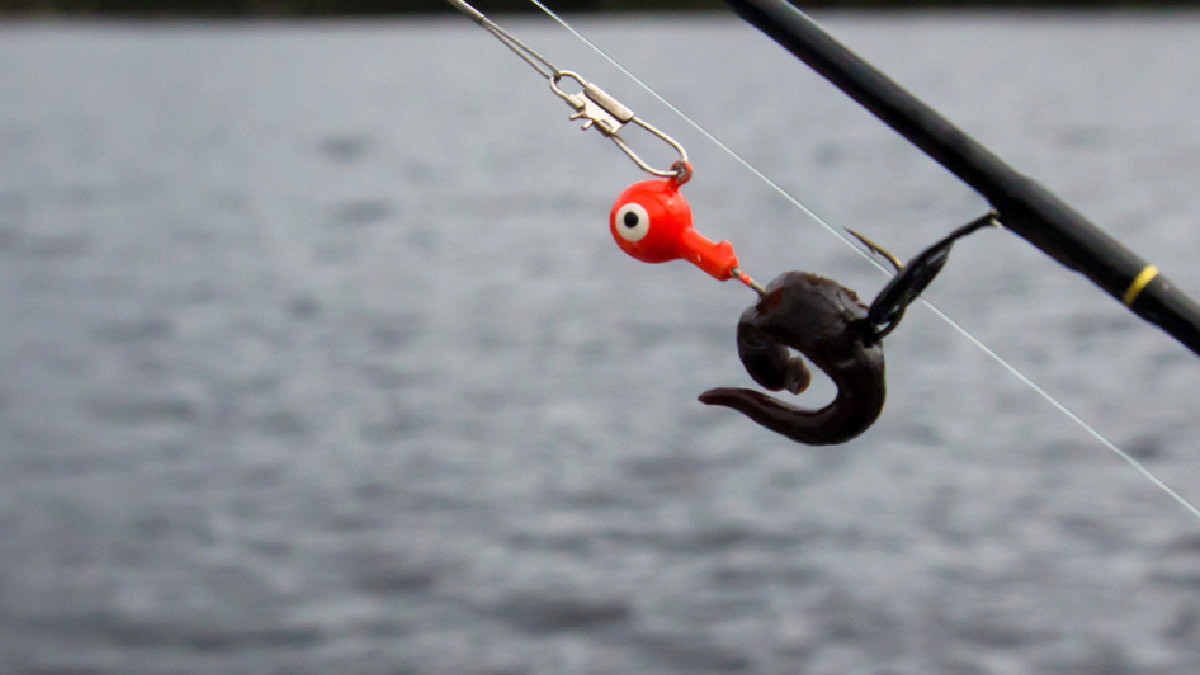
- Thread the piece onto a small hook or jig to cover the metal.
- Use a spring bobber or sensitive rod to detect light bites.
- Change bait every 15–20 minutes for fresh scent.
- Store worms in a cool but not freezing place—refrigerator is best.
Non-obvious insight: For trout, try using a half nightcrawler on a small hook with no weight. Let it drift naturally under the ice—this can trigger even stubborn fish.
Using Crickets For Ice Fishing
Crickets are an overlooked natural bait for ice fishing. Many anglers use them in summer, but few try them in winter. Are they worth it?
When And Why To Use Crickets
Fish such as bluegill, crappie, and perch love insects. Under the ice, these fish still hunt for bugs that drop in from the surface. If you can get live crickets, they can be a top bait—especially for panfish.
Which Fish Take Crickets?
- Bluegill: Very responsive to crickets, especially in shallow bays.
- Crappie: Will take crickets, especially at dawn or dusk.
- Perch: Less common, but will eat small crickets.
Advantages
- Natural Insect Appeal: Fish are used to feeding on bugs.
- Good Action: A live cricket kicks and moves naturally on the hook.
- Clean Bait: Less slimy than worms or minnows.
Limitations
- Hard to Find: Most bait shops do not carry crickets in winter.
- Very Sensitive: Crickets freeze quickly and die on the ice.
- Not All Fish Like Them: Larger predators like walleye and pike ignore crickets.
Practical Tips
- Keep crickets in an insulated container to protect from freezing.
- Use small hooks (size 10-14) and hook crickets lightly through the back.
- Drop the bait near weed beds or structure where panfish hunt.
- If crickets die, try using them as cut bait—sometimes the scent still works.
- Fish during midday when the sun warms the shallows.
Non-obvious insight: In some regions, anglers use mealworms instead of crickets for ice fishing. Mealworms are more cold-tolerant, easier to store, and still attract panfish.
Does Chumming Work For Ice Fishing?
Chumming—spreading small bits of bait to attract fish—is common in open water. But does it help under the ice?
How Chumming Works
Chumming means dropping small pieces of bait (worms, cut minnows, corn, or even oatmeal) down the hole to create a scent trail. The idea is to draw fish into your area.
Which Fish Respond To Chumming?
- Perch: Especially in large schools, perch come to chum quickly.
- Crappie: Will follow scent trails, especially in deeper water.
- Bluegill: Drawn by ground bait or crushed worms.
- Trout: Sometimes attracted by corn or salmon eggs.
- Walleye and Pike: Rarely respond to chumming; they hunt by sight and movement.
Advantages
- Draws Fish In: Increases action, especially when fish are scattered.
- Works for Panfish: Most effective for species that feed in groups.
- Easy to Do: Simple ingredients can be used.
Limitations
- Regulations: Chumming is illegal or restricted in many states (like Minnesota and Michigan). Always check your local laws.
- Can Overfeed Fish: Too much chum may fill fish up, making them ignore your hook.
- Limited Depth: In deep water, chum can drift away before reaching fish.
How To Chum For Ice Fishing
- Use a small handful of crushed waxworms, mealworms, or cut worms.
- Drop the chum down the same hole you’re fishing, or nearby.
- Only chum lightly—one or two times per hour.
- For crappie or perch, try using small bits of cooked rice or corn.
- Avoid oily or smelly chum that can harm the lake.
Non-obvious insight: In clear, shallow lakes, chumming can actually scare fish if you use large pieces or make too much noise. Use fine, ground-up bait for best results.
Comparing Natural Baits For Us Ice Fishing
Each natural bait has its own strengths and best uses under the ice. Here’s a quick comparison to help you choose:
| Bait | Best For | When to Use | Biggest Drawback |
|---|---|---|---|
| Leeches | Walleye, perch, pike | Early/late ice, above-freezing temps | Hard to find, less active in cold |
| Nightcrawlers | Panfish, trout | All season, especially for panfish | Fragile, lose scent quickly |
| Crickets | Panfish | Warm spells, midday | Freeze easily, rare in winter |
| Chumming | Panfish schools | Slow days, scattered fish | May be illegal, can overfeed fish |
Practical Recommendations For Us Ice Anglers
If you’re heading out onto the ice and want to use natural bait, keep these tips in mind for the best results:
- Check Local Regulations: Some states and lakes ban live bait, chumming, or certain species to prevent disease and protect native fish. Always read up on the latest rules for your area.
- Match the Bait to the Fish: Use small worms or crickets for panfish, leeches for walleye and perch, and skip natural bait for pike (unless using large dead bait).
- Adjust for the Season: Early and late ice are best for leeches and worms, while the coldest part of winter might require smaller baits and more scent.
- Keep Bait Fresh: Dead or frozen bait loses its scent and appeal. Store bait properly in coolers or insulated containers.
- Vary Your Depths: Some fish cruise just below the ice, while others hug the bottom. Try different depths to find where fish are feeding.
- Use Sensitive Tackle: Winter fish bite lightly. Use spring bobbers or light rods to detect subtle strikes.
- Experiment with Chumming: Only if legal, try light chumming to bring in panfish. Don’t overdo it.
- Combine Natural and Artificial: Sometimes, tipping a jig with a small piece of worm or leech can double your chances.

Credit: www.northlandtackle.com
Real-world Examples And Data
- In Minnesota, a study showed that nightcrawlers outperformed artificial baits for bluegill and perch during early ice, with catch rates up to 40% higher.
- Wisconsin anglers report that chumming with ground waxworms can bring perch schools under the ice within 10–20 minutes, but only in legal waters.
- Experienced walleye anglers in North Dakota say that leeches work best during the first and last weeks of ice season, when water temperatures are above 36°F.
- In New York, panfish tournaments often ban live bait due to the risk of spreading invasive species—always check tournament rules before fishing.
State And Waterbody Differences
The US is a big country, and ice fishing conditions change from state to state. For example:
- Minnesota and Wisconsin: Strong traditions of using live bait, but strict rules on chumming and transporting bait.
- Michigan: Chumming is illegal in many waters. Leeches are hard to find in winter.
- New York and Pennsylvania: Nightcrawlers are popular for trout and panfish, but some lakes ban live minnows and leeches.
- Montana and North Dakota: Cold winters make leeches and crickets rare, so worms and cut bait are most common.
- Colorado and Utah: Trout lakes favor worms and small mealworms; regulations are strict on bait import.
Always check the latest rules from your state’s fish and wildlife agency. For more details on state-by-state ice fishing regulations, visit the Wikipedia page on ice fishing.
Credit: www.themeateater.com
Gear And Storage Tips For Natural Bait
- Insulated Bait Containers: Use foam or plastic bait boxes to protect worms, leeches, and crickets from freezing.
- Bait Coolers: For long trips, small coolers with gel packs keep bait fresh.
- Bait Aerators: If using water-based bait like leeches, a small aerator helps keep them alive longer.
- Hook Size: Use smaller hooks (size 8–14) for panfish and slightly larger (size 4–8) for walleye and perch.
- Baiting Tools: Tweezers or bait needles can help handle small, slippery baits in the cold.
When Natural Bait Shines: Best Ice Fishing Situations
Natural bait isn’t always needed—but it can be a game changer in these cases:
- Heavily Fished Lakes: When fish have seen every lure, a juicy worm or leech can tempt them.
- Slow Bite: On tough days, the scent and taste of real bait can trigger bites.
- Kids and Beginners: Natural bait is easier for new anglers to use and often gets more bites.
- Species-Specific: For bluegill, perch, and stocked trout, worms and crickets often outfish plastics.
Common Mistakes Us Ice Anglers Make With Natural Bait
- Using Oversized Bait: Winter fish want smaller bites. Cut bait down to size.
- Letting Bait Freeze: Frozen bait is dead and loses its scent and movement.
- Ignoring Local Rules: Using banned bait can lead to heavy fines.
- Not Changing Bait Often Enough: Old bait loses scent, refresh every 20–30 minutes.
- Fishing Too Deep or Shallow: Adjust depths based on fish activity and time of day.
Frequently Asked Questions
Do Nightcrawlers Work For Ice Fishing?
Yes, nightcrawlers work very well for ice fishing, especially for panfish like bluegill, perch, and crappie, as well as trout in stocked lakes. Cut the worm into small pieces to match the smaller mouths of winter fish. Change the bait often to keep the scent fresh, and store them in a cool (but not freezing) place.
Are Leeches Good For Ice Fishing?
Leeches can be good for ice fishing, especially for walleye and perch. However, they are less active in very cold water and can be hard to find in bait shops during winter. If you can get fresh leeches and keep them alive, they can attract fish, especially early or late in the ice season. Always check your local regulations before using leeches.
Does Chumming Work For Ice Fishing?
Chumming can work for ice fishing, mainly for perch, crappie, and bluegill. Small amounts of ground bait can draw fish under your hole, but the technique is not legal in every state. Never use too much chum, as it can feed fish and make them ignore your hook. Always check your state’s rules before chumming.
Is Using Crickets For Ice Fishing Effective?
Crickets can be effective for bluegill, crappie, and sometimes perch under the ice. However, live crickets are hard to find in winter and freeze quickly. If you can keep them alive and warm, they can be a top bait for panfish, especially in shallow areas. Mealworms are a good cold-weather alternative.
What’s The Best Natural Bait For Ice Fishing In The Us?
The best natural bait depends on the fish you’re after. Nightcrawlers are the most versatile for panfish and trout. Leeches are top for walleye and perch, if you can get them. Crickets work for panfish but are rare in winter. Always consider local fish behavior, water temperatures, and regulations before choosing your bait.
Final Thoughts
Natural bait is a time-tested way to catch more fish through the ice. Whether you choose nightcrawlers, leeches, crickets, or try chumming, matching the right bait to your target fish and local conditions is key. Always check your local regulations, rules can change by state, lake, and even season. Be ready to adapt, and don’t be afraid to experiment with bait size, presentation, and location. With a little practice and the right bait, your next ice fishing trip can be your best one yet. Happy fishing from all of us at FishingSnap!

I’m Mike Reynolds, a fishing writer and the author behind FishingSnap. I created FishingSnap to make fishing easier to understand for both beginners and experienced anglers.
My focus is simple: provide practical fishing information that people can actually use. I write about fishing techniques, gear and equipment, target species, fishing locations, regulations, and trip planning. I also create helpful tools and calculators to make choosing equipment and preparing for a fishing trip easier.
I believe good fishing information should be clear, practical, and honest. Instead of making things complicated, I try to explain what matters, why it matters, and how anglers can use that information on the water.
Through FishingSnap, my goal is to build a reliable fishing resource where readers can learn new skills, understand their equipment, discover new fishing opportunities, and make better-informed decisions before heading out.
I’m always interested in improving the information we publish. If you notice an error, have a useful suggestion, or want to share feedback about a guide, you can reach me through the FishingSnap contact page.