North Carolina Catfish Fishing: Top Spots and Expert Tips
Few fishing experiences offer as much excitement and variety as catfish fishing in North Carolina. With its rich river systems, sprawling lakes, and mild climate, North Carolina is a paradise for anglers seeking trophy catfish or simply a fun day on the water. Whether you are a local or planning a fishing trip, understanding the unique opportunities, techniques, and regulations in this state can make your catfish adventure more rewarding.
Let’s dive into everything you need to know about catfish fishing in North Carolina, from the types of catfish you’ll encounter to the best spots, proven methods, and tips that even experienced anglers sometimes overlook.
Catfish Species Found In North Carolina
North Carolina is home to several catfish species, each with its own characteristics and preferred habitats. Knowing the differences can help you target the species you want and select the right gear.
Channel Catfish
The channel catfish is the most widespread and popular species in North Carolina. They thrive in rivers, lakes, and reservoirs across the state. Channel cats are known for their distinctive forked tails and spotted bodies. They are usually smaller than other species but can still reach impressive sizes—often between 1 and 10 pounds, with some individuals topping 20 pounds.
Blue Catfish
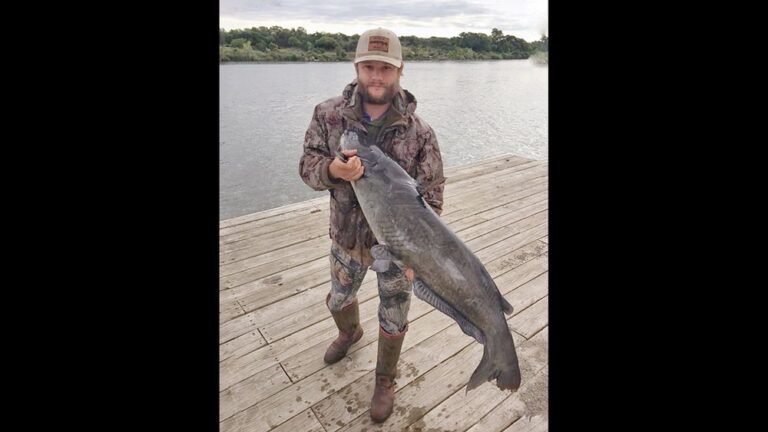
The blue catfish is the true heavyweight in North Carolina waters. Blues can grow well over 50 pounds, with the state record at a staggering 121 pounds, caught in Lake Gaston. They are mainly found in large rivers like the Roanoke, Cape Fear, and Neuse, as well as big lakes. Blue cats prefer deep channels and are strong fighters, making them a favorite for trophy hunters.
Flathead Catfish
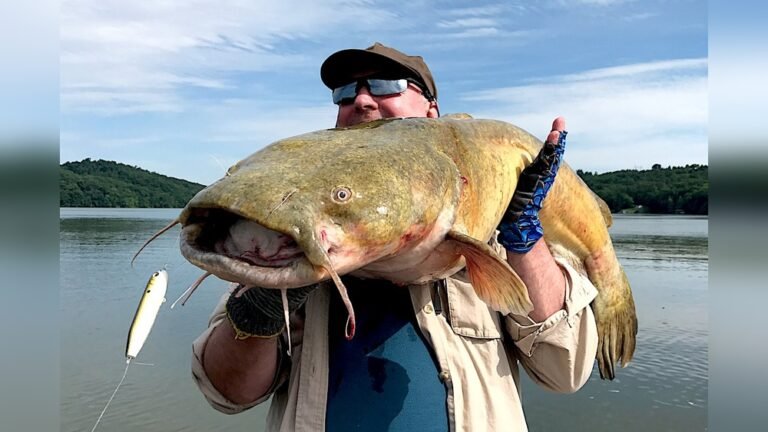
Flathead catfish are easy to recognize by their broad, flat heads and yellowish-brown color. They are often larger and more solitary than channel cats. Flatheads thrive in slow-moving rivers with plenty of cover, such as logs and rocks. They often weigh between 10 and 40 pounds, but 60-pounders are not unheard of in certain waters.
White Catfish And Bullheads
White catfish and various bullhead species (yellow, brown, black) are also found in North Carolina, though they are smaller and less sought after for sport. White catfish are common in coastal rivers, while bullheads are found in ponds and small lakes.
Best Places For Catfish Fishing In North Carolina
North Carolina’s geography offers a variety of excellent catfishing locations. Some are known for their trophy fish, while others provide reliable action for beginners and families.
Major Rivers
The state’s large rivers are natural catfish highways.
- Cape Fear River: This river is legendary for big blues and flatheads, especially around Fayetteville and Wilmington.
- Roanoke River: Known for healthy blue and channel cat populations, especially near Weldon and Plymouth.
- Neuse River: Offers both blues and flatheads, with prime spots near Goldsboro and Kinston.
- Yadkin-Pee Dee River: A hotspot for flatheads, with many deep holes and snags.
Top Lakes And Reservoirs
Several lakes provide outstanding catfish action year-round.
| Lake/Reservoir | Main Catfish Species | Notable Features |
|---|---|---|
| Lake Norman | Channel, Blue, Flathead | Largest lake in NC, boat access, night fishing |
| High Rock Lake | Channel, Flathead | Rocky cover, public piers |
| Lake Gaston | Blue, Channel | State record blue cat, deep water |
| Kerr Lake (Buggs Island) | Blue, Channel | Large population, tournaments held |
| Jordan Lake | Channel, Flathead | Easy bank access, family-friendly |
Urban And Small Water Opportunities
Don’t overlook smaller bodies of water and urban fishing programs. Many city lakes and ponds are stocked with channel catfish, providing easy access for families and beginners.
- Shelley Lake (Raleigh)
- Lake Wheeler (Raleigh)
- Freedom Park Lake (Charlotte)
- Greensboro City Lakes
These spots are usually well-maintained, and some have special youth fishing programs.
Essential Gear For North Carolina Catfishing
Choosing the right gear is key for success, especially given the size range of catfish in North Carolina.
Rods And Reels
For most catfishing, a medium-heavy spinning or baitcasting rod in the 7- to 8-foot range is ideal. Longer rods help with casting distance and leverage when fighting big fish. Pair with a reel that holds at least 150 yards of 20–30 lb test line.
- Channel catfish: Medium rods, 10–15 lb test line.
- Blue/flathead catfish: Medium-heavy rods, 20–50 lb test line for trophy fish.
Hooks, Sinkers, And Terminal Tackle
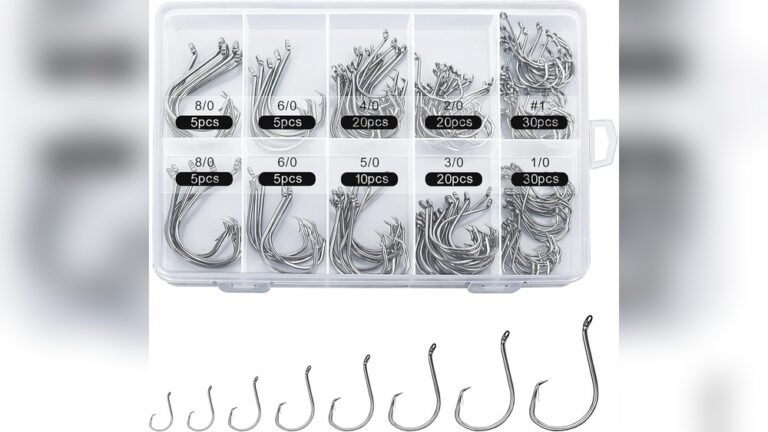
- Circle hooks (sizes 2/0 to 8/0) are popular for catch-and-release and improve hook-up rates.
- Slip sinker rigs or Carolina rigs are common for bottom fishing.
- Use swivels to prevent line twist, and leader line (30–50 lb) for bigger blues and flatheads.
Bait Choices
Catfish are not picky, but the right bait makes a big difference. Here’s a look at some top options:
| Bait Type | Best For | Notes |
|---|---|---|
| Chicken liver | Channel catfish | Strong scent, easy to find |
| Cut shad/bluegill | Blue, flathead catfish | Natural prey, stays on hook |
| Nightcrawlers | All species | Great for small cats, kids |
| Prepared stink baits | Channel catfish | Easy to use, strong odor |
| Live sunfish | Flathead catfish | Legal if caught on site, irresistible to big flatheads |
Non-obvious tip: In heavily fished lakes, try using less common baits like shrimp or hot dogs soaked in garlic. Catfish in pressured waters can become wary of “standard” offerings.
Other Useful Accessories
- Rod holders: Essential for bank anglers.
- Headlamps/lanterns: Many catfish are caught at night.
- Landing net: For safely handling big catfish.
- Gloves: Catfish have sharp spines and rough mouths.
Proven Techniques For Catching North Carolina Catfish
While dropping a baited hook to the bottom works, certain techniques can greatly increase your catch rate.
Bank Fishing
Many lakes and rivers have public access points perfect for bank fishing. Look for areas with deep water close to shore, especially near drop-offs, bridges, or fallen trees.
- Anchor your bait near structure where catfish hide.
- Fish at night or early morning for more activity.
Boat Fishing
A boat opens up access to deeper holes and channels where large catfish roam.
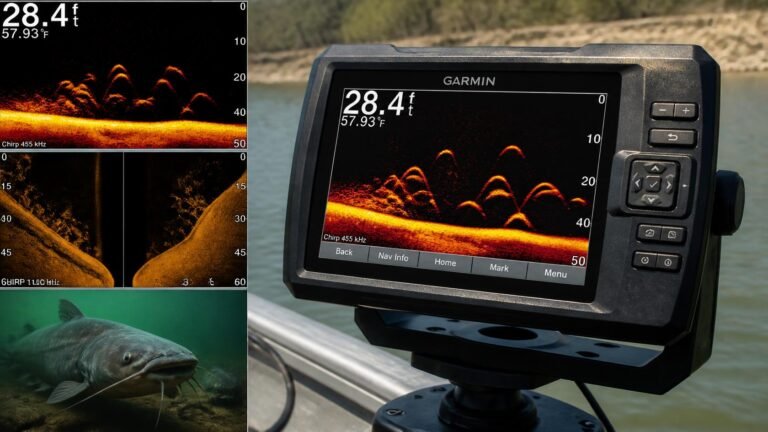
- Use a fish finder to locate drop-offs, ledges, and submerged cover.
- Drift fishing with multiple rods can cover more water.
- Anchor upstream of structure and let bait flow naturally into the strike zone.
Insider tip: In summer, target the mouths of creeks where they enter large lakes. Baitfish and catfish both congregate here.
Jug Fishing And Trotlines
These traditional methods are legal in some North Carolina waters (check local rules). Jugs and trotlines allow you to cover a wide area with multiple baits.
- Use strong mainlines and check frequently to avoid losing fish or harming non-target species.
- Clearly mark your name and address on all gear as required by law.
Kayak Fishing
Kayaks are becoming popular for catfishing, especially on smaller rivers and lakes.
- They provide stealth and let you reach spots boats can’t access.
- Make sure your kayak is stable and always wear a life jacket.
Night Fishing
Catfish feed heavily at night, especially during hot summer months. Many public lakes in North Carolina allow night fishing, and some even have designated night fishing piers.
- Use glow sticks or LED lights to see your rod tips.
- Catfish move into shallow flats after dark, so cast near the bank.
Understanding Catfish Habitats In North Carolina
Finding catfish is often about understanding their preferred environments.
Rivers
In rivers, look for:
- Deep holes behind sandbars or rock piles
- Outside bends where water is deeper and slower
- Log jams and fallen trees (excellent for flatheads)
- Tailwaters below dams (oxygen-rich and full of baitfish)
Lakes And Reservoirs
In lakes, catfish often relate to:
- Creek channels and drop-offs
- Points with submerged timber or brush
- Shallow coves at night (especially in spring and summer)
- Riprap (rocky banks), which attract baitfish
Advanced tip: In winter, catfish gather in the deepest parts of lakes, sometimes in large schools. Use sonar to locate these “catfish holes.”
Catfish Seasons: Best Times To Fish
Catfish can be caught year-round in North Carolina, but certain times are especially productive.
- Spring (March-May): Warming water triggers feeding. Flatheads move shallow to spawn.
- Summer (June-August): Peak action, especially at night. Blues and channels feed heavily.
- Fall (September-November): Fish fatten up before winter. Good time for trophy blues.
- Winter (December-February): Catfish move deep but still bite. Slow presentations work best.
| Season | Best Techniques | Target Species |
|---|---|---|
| Spring | Shallow water, live bait | Flathead, channel |
| Summer | Night fishing, drift fishing | Blue, channel |
| Fall | Deep water, cut bait | Blue, flathead |
| Winter | Vertical jigging, slow baits | Blue, channel |
Note: During the catfish spawn (late spring to early summer), fish are often close to shore and easier to catch from banks.

Credit: www.fayobserver.com
Regulations And Conservation
North Carolina has specific rules to ensure sustainable catfish populations. Always check the North Carolina Wildlife Resources Commission for the latest regulations.
- Limits: Daily creel limits and size restrictions vary by water body and species. For example, some lakes have slot limits on blue catfish to protect trophy fish.
- Gear restrictions: Jug fishing, trotlines, and limb lines may be restricted or require permits in certain areas.
- Bait regulations: Using live fish as bait is legal only if caught from the same water body.
- Licenses: A valid North Carolina fishing license is required for anyone age 16 or older.
Common mistake: Many anglers forget to measure their catch, especially in trophy waters with length limits. Carry a tape measure and know the rules before you fish.
Tournaments And Catfish Community
North Carolina has a growing catfish tournament scene, attracting anglers from across the region.
- Big Cat Quest and Carolina Catfish Club hold regular events on lakes like Kerr and Gaston.
- Some tournaments are catch-and-release, helping conservation efforts.
- Entry fees and prizes vary, but these events are a great way to learn and meet other catfish enthusiasts.
Community insight: Many experienced anglers are happy to share advice at tournaments or online forums. Don’t hesitate to ask questions—catfish anglers are known for their friendly attitude.
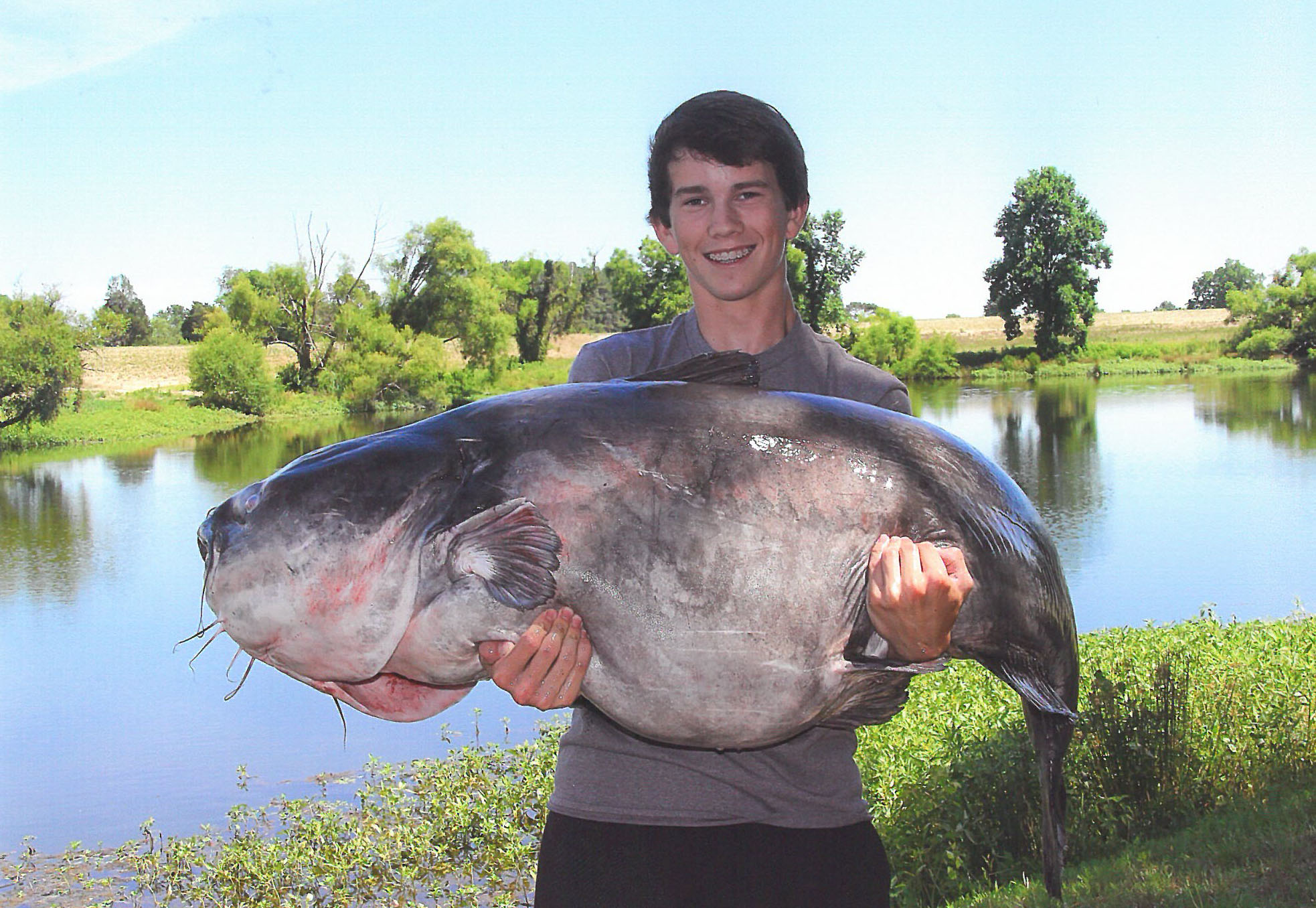
Credit: ncseagrant.ncsu.edu
Cooking And Eating North Carolina Catfish
Catfish is a staple in Southern cooking, and North Carolina is no exception. The flesh is mild, firm, and versatile, making it perfect for frying, grilling, or baking.
Safe Handling And Cleaning
- Use gloves to avoid the sharp pectoral and dorsal spines.
- Clean fish soon after catching for the best flavor.
- Remove all dark meat along the lateral line—it can taste muddy.
Popular Cooking Methods
- Fried catfish: The classic. Dip fillets in cornmeal batter and fry until golden.
- Grilled catfish: Marinate with lemon and spices, then grill over medium heat.
- Catfish stew: Simmer chunks of catfish with tomatoes, onions, and potatoes for a hearty meal.
Non-obvious tip: Channel catfish under 5 pounds are usually the best for eating. Larger blues and flatheads can taste strong, especially from warm waters.
Safety Tips For Catfish Anglers
While catfishing is generally safe, it’s important to take a few precautions:
- Be careful of catfish spines, they can cause painful punctures.
- Use sunscreen and bug spray, especially during long sessions.
- Watch your step on riverbanks, which can be slippery or unstable.
- If night fishing, always bring extra batteries and let someone know your location.
Catfish Fishing Resources
For up-to-date information, licensing, maps, and regulations, visit the North Carolina Wildlife Resources Commission. This site also provides stocking schedules and public access maps.
Frequently Asked Questions
How Big Do Catfish Get In North Carolina?
Catfish in North Carolina can reach impressive sizes. Blue catfish are the largest, with some caught over 100 pounds. Flathead catfish often exceed 40 pounds, and channel catfish commonly weigh between 2 and 10 pounds.
What Is The Best Time Of Year To Catch Catfish In North Carolina?
While catfish are active all year, late spring through early fall is considered the prime season. Night fishing during summer months is especially productive for large blues and channels.
Do I Need A Special License To Fish For Catfish In North Carolina?
A standard North Carolina freshwater fishing license covers catfish fishing for most anglers. However, if you use jug lines, trotlines, or other non-rod methods, special permits may be required.
What Is The Best Bait For Catfish In North Carolina?
The best bait depends on the species and water body. Chicken liver, cut bait, and nightcrawlers work well for channel cats. Blue and flathead catfish prefer cut or live fish such as shad or sunfish.
Are There Any Catch-and-release Regulations For Catfish In North Carolina?
Some lakes and rivers have size or slot limits to protect trophy catfish, encouraging catch-and-release for larger fish. Always check local regulations before fishing.
Catfish fishing in North Carolina offers endless opportunities for anglers of all skill levels. With the right knowledge, gear, and a sense of adventure, you can experience some of the best freshwater fishing in the Southeast. Whether you’re after a trophy blue catfish or just a relaxing day by the water, North Carolina’s rivers and lakes are ready to deliver.
I’m Mike Reynolds, a fishing writer and the author behind FishingSnap. I created FishingSnap to make fishing easier to understand for both beginners and experienced anglers.
My focus is simple: provide practical fishing information that people can actually use. I write about fishing techniques, gear and equipment, target species, fishing locations, regulations, and trip planning. I also create helpful tools and calculators to make choosing equipment and preparing for a fishing trip easier.
I believe good fishing information should be clear, practical, and honest. Instead of making things complicated, I try to explain what matters, why it matters, and how anglers can use that information on the water.
Through FishingSnap, my goal is to build a reliable fishing resource where readers can learn new skills, understand their equipment, discover new fishing opportunities, and make better-informed decisions before heading out.
I’m always interested in improving the information we publish. If you notice an error, have a useful suggestion, or want to share feedback about a guide, you can reach me through the FishingSnap contact page.