Using Crickets for Ice Fishing: Natural Baits That Work in US Waters
Ice fishing is a unique and exciting way to enjoy winter. Many anglers agree that natural bait is one of the best ways to catch fish under the ice. But not all baits work the same. In this guide, you’ll learn how to use crickets for ice fishing, and you’ll also find out about other popular live baits, leeches, nightcrawlers, and chumming. Whether you’re after crappie, perch, bluegill, walleye, trout, or northern pike, you’ll discover which bait works best, when to use it, and practical tips to improve your success.
Before you start, remember: rules about bait, chumming, and fishing seasons can change by state and even by lake. Always check local regulations before heading out.
Why Use Natural Bait For Ice Fishing?
Many US anglers choose natural bait because it looks, smells, and moves like real food. Fish are more likely to bite something familiar, especially in cold water when they feed less often. Natural bait can help you catch more fish, even when the bite is slow. But not every bait works all winter or for every species. Let’s look at the main options and when to use them.
Using Crickets For Ice Fishing
Crickets are a classic summer bait for panfish and trout. But can you use them under the ice? The answer is yes—with some tips and limits.
Why Crickets Can Work
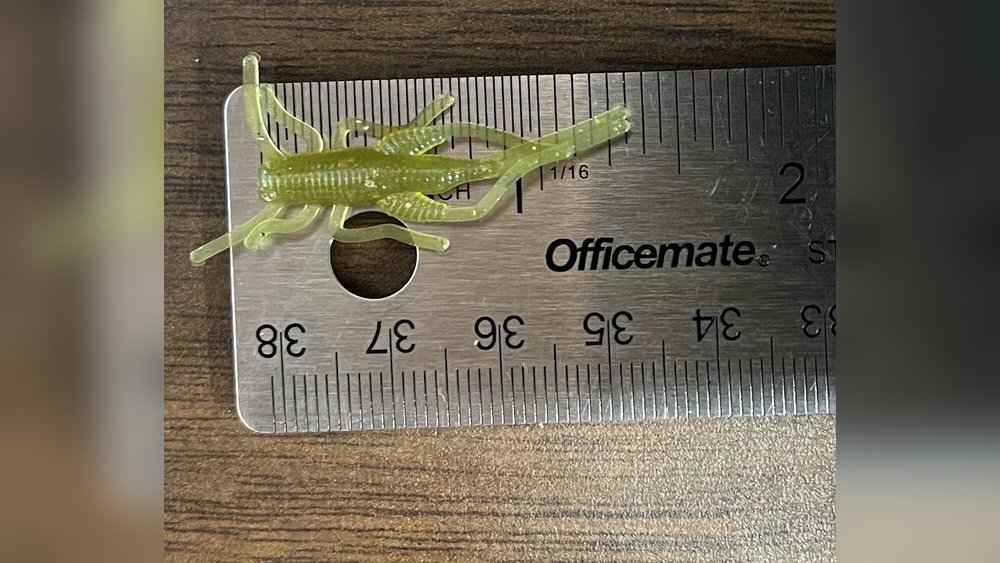
Crickets are a natural food for many fish, including bluegill, crappie, and some trout. They have a strong smell and soft body, which makes them appealing. Under the ice, when food is scarce, a live cricket can stand out.
When And Where To Use Crickets
- Best for panfish: Bluegill, sunfish, and crappie may bite crickets, especially in lakes with lots of weeds or natural insect life.
- Early and late ice: Crickets seem to work better at the start or end of the ice season, when fish are more active and insect food is still in the system.
- Clear water advantage: Crickets are often more effective in clear water, where fish feed by sight.
How To Rig Crickets For Ice Fishing
- Small hooks work best: Use size 10–14 hooks to avoid tearing the cricket.
- Hook through the collar: Pass the hook just behind the head to keep the cricket alive longer.
- Light line: Use 2–4 lb test for panfish to allow natural movement.
- Jigging: Drop the cricket to the bottom, then lift it slowly and pause. Panfish often bite on the pause.
Practical Tips
- Keep crickets warm: They can die quickly in the cold. Store them in a small container inside your jacket.
- Use fresh crickets: Dead crickets are less attractive to fish.
- Add a split shot: If fish are deep, a small weight can help your cricket reach them.
Limitations Of Crickets
- Not ideal for larger fish: Walleye, pike, and big trout usually ignore crickets.
- Fragility: Crickets die and fall off hooks easily in the cold.
- Hard to find in winter: Bait shops may not carry them during the ice season.
Example: Crappie On Crickets
Some ice anglers in the Midwest report good catches of crappie using small live crickets near weedy edges in shallow bays during first ice. The key is to move often—if fish don’t bite in 15 minutes, try a new spot.
Are Leeches Good For Ice Fishing?
Leeches are a top bait in summer, especially for walleye. But what about during winter?
The Truth About Leeches In Winter
- Leech activity drops: Most leeches bury in mud and become less active as water cools.
- Some species survive: Ribbon leeches can stay active longer, but they are rare in bait shops during winter.
When Leeches Might Work
- Mild winters: In southern states with warmer water, leeches may still be available and effective.
- Late ice: As water warms, leeches become more active and can attract walleye or perch.
How To Fish Leeches Under The Ice
- Use small leeches: Fish prefer small, wiggling leeches in cold water.
- Hook lightly: Run the hook through the sucker or just behind the head.
- Fish near bottom: Drop the leech to the bottom, then lift slowly and let it settle.
Advantages Of Leeches
- Tough and lively: Leeches stay on the hook better than worms or crickets.
- Attract scent feeders: Walleye and perch are drawn to leech scent.
Downsides
- Hard to find in winter: Most bait shops don’t stock them.
- Less movement in cold: Leeches become sluggish in icy water.
Example: Walleye On Leeches
In years with mild winter, a few ice anglers have caught walleye on small ribbon leeches in deep holes. The catch rate is usually lower than with minnows but can work when fish ignore other baits.
Do Nightcrawlers Work For Ice Fishing?
Nightcrawlers are a favorite for many species in open water. But do they catch fish under the ice?
Nightcrawlers For Different Fish
- Panfish: Bluegill, perch, and crappie will eat small pieces of nightcrawler.
- Trout: Often respond well to worms, especially in stocked lakes.
- Walleye: May bite a nightcrawler, but prefer minnows in most cases.
How To Use Nightcrawlers On Ice
- Pinch off small pieces: Use a piece 1–2 inches long for panfish.
- Thread on hook: Hook the worm once or twice to keep it secure but allow movement.
- Jig or deadstick: Nightcrawlers work both on a jig or a plain hook set still.
Benefits Of Nightcrawlers
- Easy to find: Most bait shops carry them, even in winter.
- Universal bait: Many species bite worms.
Drawbacks
- Not as tough in cold: Nightcrawlers can turn mushy and fall off if not kept cool but not frozen.
- Less action: Don’t move as much as minnows or leeches in icy water.
Example: Bluegill On Nightcrawlers
In Minnesota, anglers often use a tiny piece of nightcrawler on a size 12 hook to catch bluegill from shallow weedy bays. The bite can be fast, especially in midwinter when other baits slow down.
Does Chumming Work For Ice Fishing?
Chumming means dropping bait or attractants into the water to draw fish. It’s common in open water, but does it help under the ice?
How Chumming Is Done On Ice
- Drop small bits: Anglers often drop pieces of worm, waxworms, or crushed minnows down the hole.
- Use attractant jars: Some use jars or mesh bags filled with bait to release scent slowly.
When Chumming Can Help
- Attracting panfish: Bluegill and perch may gather to feed on chum.
- Muddy or stained water: Chum can help fish find your bait by scent.
Limitations Of Chumming
- Not allowed everywhere: Many states ban or limit chumming because it can harm water quality. Always check local rules.
- May not work for big fish: Walleye and pike often ignore chum and hunt live bait instead.
Chumming Tips
- Use small amounts: Too much chum can fill up fish or attract nuisance species.
- Spread out: Drop chum in multiple holes to attract fish to your area.
Example: Perch On Chum
In North Dakota, some anglers use a few crushed minnows dropped into the hole to attract perch schools. The key is to use just enough to start the bite but not overfeed the fish.
Comparison: Natural Baits For Ice Fishing
To help you choose, here’s a side-by-side look at how crickets, leeches, nightcrawlers, and chumming compare for common US ice fishing species:
| Bait/Method | Best For | When to Use | Main Advantage | Key Limitation |
|---|---|---|---|---|
| Crickets | Bluegill, crappie, trout | Early/late ice, clear water | Natural insect scent | Fragile, hard to find |
| Leeches | Walleye, perch | Late ice, mild winters | Tough on hook | Inactive in cold, rare in shops |
| Nightcrawlers | Panfish, trout | All season | Easy to find | Less movement |
| Chumming | Panfish, perch | Stained water | Attracts schools | Regulated, may not help big fish |

Credit: ioniceaugers.com
Practical Tips For Using Natural Bait On Ice
1. Match Bait Size To Fish
- Small bait, small hook: For panfish, use tiny pieces of worm, cricket, or leech on size 10–14 hooks.
- Larger bait for bigger fish: Use bigger chunks for trout or walleye, but remember natural bait is often more effective in small portions under ice.
2. Keep Bait Fresh And Lively
- Store bait properly: Crickets and nightcrawlers need to be kept cool but not frozen. Leeches need water at about 40°F.
- Change bait often: If your bait looks lifeless, replace it.
3. Move Often
- Fish are mobile: If you don’t get bites in 15–20 minutes, try a new spot. Under the ice, fish may roam or gather in tight groups.
4. Use Light Gear
- Thin line, small rods: A sensitive rod, light line (2–6 lb test), and small jigs or hooks help you feel the bite and present bait naturally.
5. Check Local Rules
- Bait and chumming laws differ: For example, some Minnesota lakes ban all live bait or restrict chumming. Always read the latest state fishing guide or signs at the lake.
6. Combine Baits
- Double up for tough fish: Sometimes, a piece of nightcrawler and a waxworm together can trigger more bites than either alone.
7. Pay Attention To Waterbody Type
- Weedy lakes: Crickets and worms often work best.
- Deep, clear lakes: Leeches (if allowed) or subtle worms excel.
8. Consider The Season
- Early and late ice: Fish are more active; natural baits work well.
- Midwinter: Fish slow down; smaller, scent-heavy baits can be better.
9. Try Simple Chumming
If allowed, drop a few pieces of bait down the hole before fishing. Wait a few minutes for fish to gather.
10. Watch For Non-obvious Clues
- Bait shop supply: If your local shop stocks crickets or leeches in winter, it’s a sign they may work in your area.
- Bird activity: If you see birds feeding on the ice, fish may be feeding, too—try natural baits.
How Natural Bait Compares To Artificial Lures
Some anglers prefer plastics or spoons, but natural baits have special advantages under the ice:
| Natural Bait | Artificial Lures |
|---|---|
| Better scent and taste | More durable, reusable |
| More bites in tough conditions | Cover water faster |
| Easy for beginners | Often needs skill to use well |
Insight: In very cold water, fish may only bite baits they can taste and smell. On slow days, adding a piece of worm or cricket to your jig can make the difference.
Which Species Respond Best To Each Bait?
Here’s a simple guide:
- Bluegill/Sunfish: Crickets, small pieces of nightcrawler, chumming with worms.
- Crappie: Crickets, small worms, sometimes leeches.
- Perch: Nightcrawlers, small leeches, chumming.
- Walleye: Leeches (late ice), worms (occasionally), but usually prefer minnows.
- Trout: Nightcrawlers, crickets, small leeches.
- Northern Pike: Rarely take insects or worms; prefer large minnows or dead bait.
How To Choose The Right Bait For Your Trip
Consider these factors:
- Target species: Match bait to what your fish eats naturally.
- Season: Early/late ice favors more active baits; midwinter, try smaller, scent-heavy options.
- Water conditions: Clear water, sight feeders like crickets. Stained, use scent baits and chumming.
- Availability: Use what you can buy or collect locally.
- Regulations: Never use illegal baits or chum where it’s banned.

Credit: 6thsensefishing.com
Real-world Example: Successful Bait Choices
In Michigan, a group of anglers targeting bluegill in January used both waxworms and small pieces of nightcrawler. They found bluegill bit better on worms after a handful of crushed waxworms were dropped down the hole. The same group tried crickets but had to keep them inside a thermos to stay alive. The result: worms out-fished crickets, but both were better than plain jigs.
Key Mistakes To Avoid
- Not checking the rules: Using banned bait can result in fines.
- Using too much bait: Over-chumming can spook fish or cause other problems.
- Fishing too big: Large baits under the ice rarely work for panfish.
- Letting bait freeze: Keep your bait fresh and mobile.
Best Practices For Storing And Handling Natural Bait
- Crickets: Store in a small, ventilated container with a bit of potato or apple for food. Keep inside your jacket to avoid freezing.
- Leeches: Store in cool, clean water (not tap water). Change water every day. Don’t let them freeze.
- Nightcrawlers: Keep in bedding (damp newspaper or soil) at 40–50°F. Avoid direct sun and freezing temperatures.
- Worms for chumming: Chop a few worms and keep in a small bag in your cooler.
Advanced Tip: Scent And Color
Sometimes, adding a scent or color can help:
- Dip worms or crickets in commercial fish attractant before use.
- Use colored hooks (red or gold) to draw more attention in stained water.
Seasonal Variations And Regional Differences
- Northern US (Minnesota, Wisconsin, Michigan): Worms and crickets for panfish, leeches rare in winter, chumming often restricted.
- Northeast (New York, Vermont): Nightcrawlers and small leeches for trout and perch, crickets less common.
- Plains States (North Dakota, South Dakota): Chumming allowed in some lakes, worms and crickets both used.
- Southern US (Oklahoma, Missouri): Leeches may be available in mild winters, crickets for panfish.
Always check the current year’s fishing regulations for your state.
Conservation And Safety
- Use only local bait: Prevent the spread of invasive species by not moving bait from one lake to another.
- Dispose of bait properly: Never dump unused bait into the water.
- Keep holes safe: Mark your holes and clean up all bait containers.
For more details on fishing regulations and bait restrictions, visit the official fishing regulations page for your state.
Frequently Asked Questions
What Are The Best Natural Baits For Ice Fishing?
The top natural baits are nightcrawlers, crickets, and leeches (where available). Waxworms and spikes are also very popular for panfish. Minnows work best for walleye and pike, but worms and crickets often out-fish plastics for bluegill, crappie, and perch.
Are Leeches Good For Ice Fishing?
Leeches can work for ice fishing, especially for walleye and perch, but they are less active in cold water and hard to find in winter. Small ribbon leeches are best. They are most useful in late ice or mild climates. Always check if leeches are allowed in your state.
Does Chumming Work For Ice Fishing?
Chumming can attract fish like bluegill and perch, especially in stained or muddy water. Drop small pieces of worm or crushed bait down the hole. However, chumming is regulated or banned in many states, always check local rules before using this method.
Do Nightcrawlers Work For Ice Fishing?
Nightcrawlers do work for ice fishing, especially for panfish and trout. Use small pieces on a small hook or jig. They’re widely available, easy to use, and often the best choice when fish are picky.
Can I Use Crickets For Ice Fishing?
Yes, you can use crickets for ice fishing, mainly for bluegill, crappie, and trout. They are most effective early or late in the season and in clear water. Keep crickets warm and lively for best results, and check if bait shops carry them in winter.
Ice fishing with natural bait is a rewarding experience. By knowing when and how to use crickets, leeches, nightcrawlers, and even chumming, you can increase your catch and enjoy the winter even more. Always fish responsibly, follow state regulations, and experiment to see what works best in your favorite waters.
Good luck out there!

I’m Mike Reynolds, a fishing writer and the author behind FishingSnap. I created FishingSnap to make fishing easier to understand for both beginners and experienced anglers.
My focus is simple: provide practical fishing information that people can actually use. I write about fishing techniques, gear and equipment, target species, fishing locations, regulations, and trip planning. I also create helpful tools and calculators to make choosing equipment and preparing for a fishing trip easier.
I believe good fishing information should be clear, practical, and honest. Instead of making things complicated, I try to explain what matters, why it matters, and how anglers can use that information on the water.
Through FishingSnap, my goal is to build a reliable fishing resource where readers can learn new skills, understand their equipment, discover new fishing opportunities, and make better-informed decisions before heading out.
I’m always interested in improving the information we publish. If you notice an error, have a useful suggestion, or want to share feedback about a guide, you can reach me through the FishingSnap contact page.