
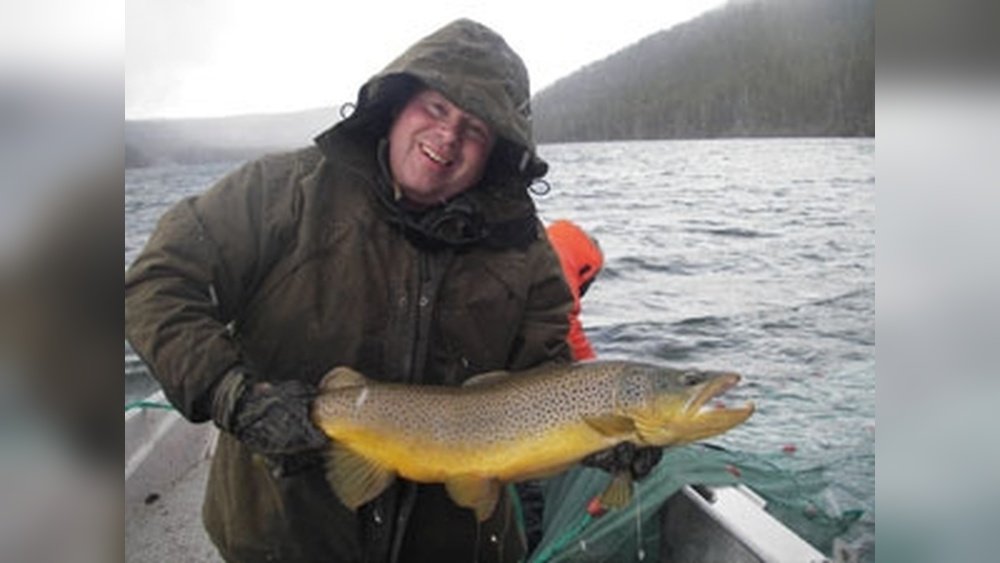
Miller Lake Trophy Trout Guide: Expert Tips for Big Catches
Miller Lake Trophy Trout Guide
Miller Lake in southern Oregon is a legendary destination for anglers seeking trophy trout. Hidden within the Fremont-Winema National Forest, this alpine lake is not just scenic, it’s famous for producing some of the largest brown trout in the western United States. If you dream of catching a fish that makes your hands shake, Miller Lake should be on your list. This guide covers everything you need to know for a successful trophy trout trip, including the lake’s unique fishery, proven techniques, local regulations, and tips that only experienced anglers usually know.
Why Miller Lake Is Special For Trophy Trout
Miller Lake stands out in the Pacific Northwest because of its brown trout. These fish were first introduced in the 1920s, and over decades, the lake’s deep, cold waters helped them grow big and strong. Anglers have reported browns over 10 pounds, with a handful each year tipping past 20 pounds.
Unlike many trophy trout fisheries, Miller Lake allows night fishing. Brown trout here feed heavily after sunset, giving you a rare chance to target them in the dark. The lake also offers rainbow trout and kokanee, but the brown trout are the main attraction for trophy hunters.
Best Seasons And Timing
The fishing season at Miller Lake usually runs from late April through October. Spring and early summer see active trout as the water warms and insects hatch. Late summer and early fall are prime times for trophy browns, especially at night.
Best Months For Trophy Brown Trout
| Month | Average Water Temp (°F) | Trophy Catch Likelihood | Notes |
|---|---|---|---|
| May | 48-55 | Medium | Active after ice-off, fish shallow |
| June | 55-62 | Good | Insect hatches, browns near shore |
| July | 62-68 | High | Night fishing excellent |
| August | 65-70 | Very High | Browns feeding at night, deep during day |
| September | 60-65 | High | Pre-spawn activity increases |
| October | 50-58 | Medium | Fish move shallow, last chance before closure |
Non-obvious insight: While most anglers focus on midsummer, the weeks just before the lake closes often see aggressive browns moving into shallows, this is a hidden window for trophy fish.
Essential Gear For Miller Lake
A successful trip starts with the right fishing gear. Miller Lake is a large body of water, and trophy browns are not easy to fool. Here’s what works best:
Rods And Reels
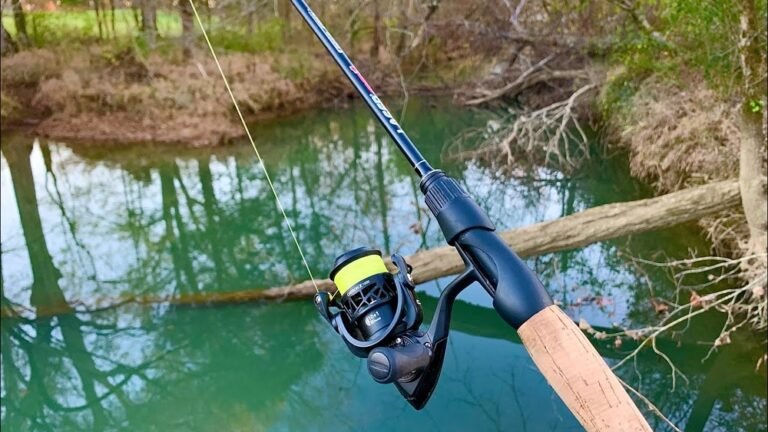
- Medium-heavy spinning rod (7–9 feet) for casting distance
- Baitcasting setup for trolling or large lures
- Quality reel with smooth drag (brown trout make strong runs)
Line And Leaders
- 8–15 lb test monofilament or braided line for mainline
- Fluorocarbon leader (4–6 feet, 10–15 lb test) to reduce visibility
Lures And Baits
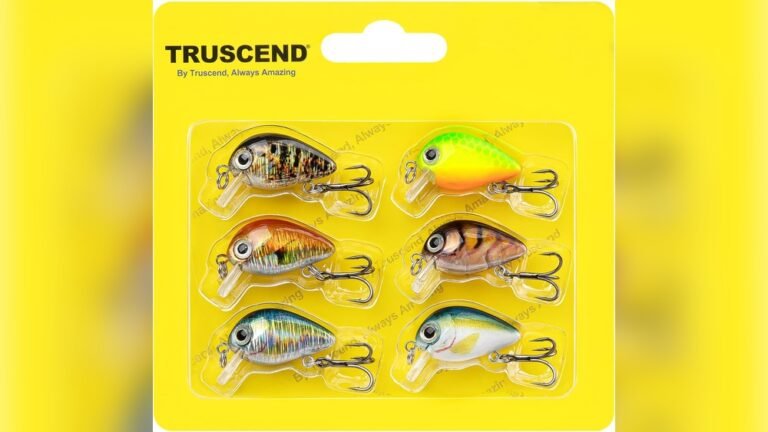
- Large minnow plugs (like Rapala or Bomber Long A) in natural colors
- Soft plastic swimbaits for night fishing
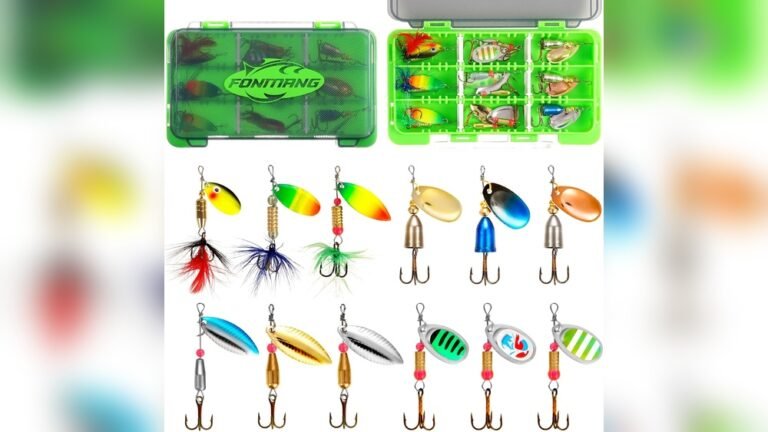
- Spoons and spinners for covering water
- Live nightcrawlers or minnows (check regulations)
Expert tip: Trophy browns are wary. Use long casts and natural presentations, especially on calm, clear nights.
Proven Fishing Techniques
Miller Lake’s trophy browns can be caught in several ways, but some methods clearly outperform others. Here’s what works for experienced anglers:
1. Night Trolling
Trolling after dark is one of the most effective ways to catch a giant brown. Use a slow speed (1–1. 5 mph) and large minnow plugs. Fish parallel to the shoreline, targeting depths from 5 to 20 feet.
2. Casting Plugs From Shore
On calm nights, many trophy fish come within casting distance of the shore. Cast large floating plugs and retrieve slowly, mimicking a wounded baitfish.
3. Still Fishing With Live Bait
If allowed, anchor near drop-offs and use a sliding sinker rig with live bait. Browns cruise these areas looking for easy meals.
4. Jigging Deep Water
During the day, big browns often move deep (30–60 feet). Vertical jigging with spoons or large soft plastics can trigger strikes.
5. Fly Fishing
While less common for trophy browns, fly anglers do well during insect hatches in spring and early summer. Use streamers or large nymphs near inlets and drop-offs.
Non-obvious insight: Trophy browns in Miller Lake often hit lures aggressively just after dark, so be ready for sudden, powerful strikes within your first few casts.

Credit: www.agfc.com
Understanding Miller Lake’s Unique Fishery
Miller Lake is about 566 acres, with a maximum depth of 145 feet. Its clear, cold water supports a healthy food web. Brown trout prey on kokanee salmon and smaller rainbow trout, which helps them grow large. The Oregon Department of Fish and Wildlife manages stocking and fishing pressure carefully to maintain trophy potential.
Water Clarity And Weather
- Clarity: Up to 40 feet in summer
- Wind: Afternoon winds can make boating difficult
- Weather: Nights can get cold, even in July—bring warm clothes
Common Trout Species In Miller Lake
| Species | Typical Size | Trophy Size | Best Techniques |
|---|---|---|---|
| Brown Trout | 2–5 lbs | 10–20+ lbs | Night trolling, large plugs |
| Rainbow Trout | 1–3 lbs | 5+ lbs | Bait fishing, spinners |
| Kokanee Salmon | 8–14 in | 16+ in | Trolling, small spoons |
Boat Or Shore? Accessing Miller Lake
Anglers can fish Miller Lake by boat or from shore. Both have advantages, but your approach should match your trophy goals.
Fishing By Boat
Most trophy hunters use small boats, kayaks, or float tubes. The main boat ramp is at Digit Point Campground. Electric motors are allowed; gas motors are limited to 10 horsepower.
Advantages:
- Cover more water
- Reach deep drop-offs and underwater structure
- Trolling is easier
Fishing From Shore
Shore anglers find success near the campground, the dam, and rocky points. At night, trophy browns often cruise close to shore, giving bank anglers a real shot at giants.
Pro tip: If you fish from shore, bring waders and a headlamp for better mobility and visibility after dark.
Local Regulations And Conservation
Miller Lake’s trophy status depends on responsible management. Here are the most important regulations:
- Bag limit: Usually 1 brown trout over 24 inches per day (check current rules)
- Rainbow and kokanee limits: Vary by year; consult the Oregon Fishing Regulations
- Night fishing: Allowed for trout (rare in Oregon)
- Barbless hooks: Not required, but recommended for easier release
- Boat limits: 10 HP maximum for gas motors
Violating these rules can result in heavy fines. Always check the latest regulations before you fish: Oregon Department of Fish and Wildlife.
Planning Your Trip: Camps, Supplies, And Safety
Digit Point Campground is the main camping area, with over 60 sites, drinking water, and restrooms. Miller Lake is remote, you won’t find stores or gas nearby, so stock up on supplies before you arrive.
What To Bring
- Warm clothing (temperatures drop quickly at night)
- Rain gear (mountain weather changes fast)
- Headlamp and spare batteries for night fishing
- Quality cooler for keeping your catch fresh
- Bear-proof food containers (bears sometimes visit campsites)
- First-aid kit and emergency supplies
Safety tip: Cell service is weak or nonexistent. Let someone know your plans before heading out.
Common Mistakes Trophy Hunters Make
Even experienced anglers make errors at Miller Lake. Avoid these pitfalls:
- Arriving without checking regulations: Limits can change yearly.
- Ignoring weather forecasts: Sudden storms can be dangerous on the water.
- Fishing only during daylight: Night hours produce the biggest browns.
- Using light tackle: Trophy fish often break lines under 8-pound test.
- Not moving enough: If you’re not getting bites, change locations or depths.
Pro insight: Trophy browns are often caught by anglers who adapt quickly to changing conditions, not those who stick to one spot or method.
Local Tips For Catching Your Personal Best
- Focus on transition zones—places where shallow water drops off quickly
- Use natural-colored lures that match local baitfish (gray, brown, olive)
- Fish the first two hours after sunset for the most aggressive strikes
- Move quietly at night; trophy browns spook easily in shallow water
- Log your catches and conditions—patterns often repeat year to year

Credit: duranglers.com
Frequently Asked Questions
How Big Do Brown Trout Get In Miller Lake?
Brown trout in Miller Lake can reach over 20 pounds, but most trophy fish caught are between 8 and 15 pounds. Fish over 10 pounds are caught each season, making it one of Oregon’s top big-brown destinations.
Is Night Fishing Really The Best Time For Trophy Browns?
Yes, night fishing is the most productive method for catching trophy brown trout at Miller Lake. The biggest fish feed near shore after dark, and night anglers regularly catch the largest browns.
Do I Need A Boat To Catch Trophy Trout At Miller Lake?
A boat helps, especially for covering water and trolling, but it’s not required. Many large brown trout are caught from shore, especially at night near rocky points and drop-offs.
What Is The Best Bait Or Lure For Trophy Browns?
Large, natural-colored minnow plugs (like Rapala or Bomber Long A) work best, especially when trolled or cast after dark. Live bait such as nightcrawlers can also be effective where legal.
Are There Any Special Regulations I Should Know About?
Yes. Miller Lake often has a one-brown-trout-per-day limit, and the size must usually be over 24 inches. Night fishing is allowed, but check the latest Oregon regulations for details before your trip.
Miller Lake is a rare place where you can chase trophy trout in wild, beautiful surroundings. With the right knowledge, gear, and patience, your next cast could land the fish of a lifetime. Plan carefully, respect the fishery, and enjoy every moment at this remarkable lake.
I’m Mike Reynolds, a fishing writer and the author behind FishingSnap. I created FishingSnap to make fishing easier to understand for both beginners and experienced anglers.
My focus is simple: provide practical fishing information that people can actually use. I write about fishing techniques, gear and equipment, target species, fishing locations, regulations, and trip planning. I also create helpful tools and calculators to make choosing equipment and preparing for a fishing trip easier.
I believe good fishing information should be clear, practical, and honest. Instead of making things complicated, I try to explain what matters, why it matters, and how anglers can use that information on the water.
Through FishingSnap, my goal is to build a reliable fishing resource where readers can learn new skills, understand their equipment, discover new fishing opportunities, and make better-informed decisions before heading out.
I’m always interested in improving the information we publish. If you notice an error, have a useful suggestion, or want to share feedback about a guide, you can reach me through the FishingSnap contact page.
One Comment