Rocky Ford Trophy Trout Fishing: Expert Tips for Big Catches
Rocky Ford Trophy Trout Fishing
Rocky Ford Creek is not just a fishing spot, it’s a legend among fly anglers in the Pacific Northwest. Located in central Washington, this spring creek is famous for its large rainbow trout and technical fishing challenges. If you dream of catching trophy-sized fish in clear, slow-moving water, Rocky Ford is a destination you need to know.
This article will guide you through everything you need to fish Rocky Ford successfully, from access points and regulations to local tactics and what makes this fishery truly unique.
Why Rocky Ford Is Unique
Most trout streams in the US are either fast, cool mountain rivers or small, brushy creeks. Rocky Ford is different. This spring-fed creek flows gently through sagebrush country, with water temperatures remaining steady all year. The result? Huge rainbow trout, many over 20 inches thrive here.
Unlike many famous fisheries, Rocky Ford is catch-and-release only and strictly fly fishing. You can walk the banks, spot fish, and even fish in winter when other rivers freeze. The water is so clear that you often see the fish you’re casting to. But these trout are smart. They see hundreds of flies each week, so you’ll need to bring your best tactics.
Where To Find Rocky Ford And How To Access It
Rocky Ford Creek is located near Ephrata, Washington. It’s about three hours east of Seattle, making it a manageable day or weekend trip for anglers from the city.
There are three main public access points:
- Hatchery Bridge: The most popular spot, located next to the Washington Department of Fish and Wildlife hatchery. There’s a parking lot, restrooms, and good bank access.
- The Islands: Downstream of the hatchery, this section has multiple small islands and channels. Fewer anglers fish here, and the water can be more challenging to read.
- Upper Ford: Upstream of the hatchery, this area sees less pressure and offers a more natural setting.
Most of the creek is walk-and-wade. Wading is discouraged because the creek is deep with soft mud in many places; most anglers fish from the bank or small docks.
| Access Point | Facilities | Bank Access | Typical Crowds |
|---|---|---|---|
| Hatchery Bridge | Restrooms, Parking | Excellent | High |
| The Islands | Parking | Good | Medium |
| Upper Ford | Limited | Fair | Low |
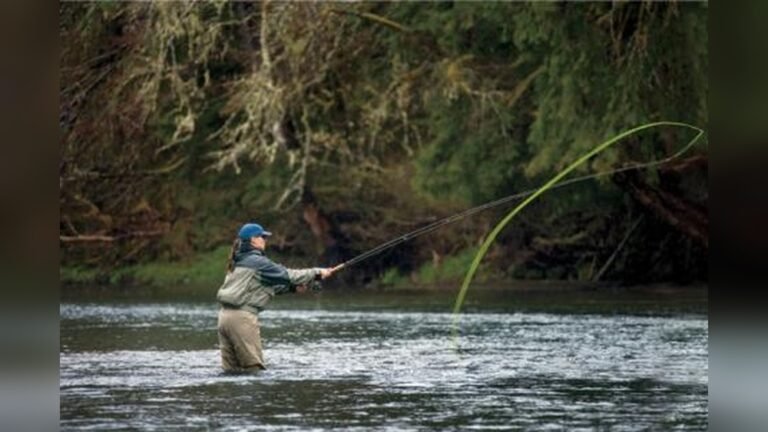
Credit: fishbrain.com
The Fish: What Makes Rocky Ford Trout Special
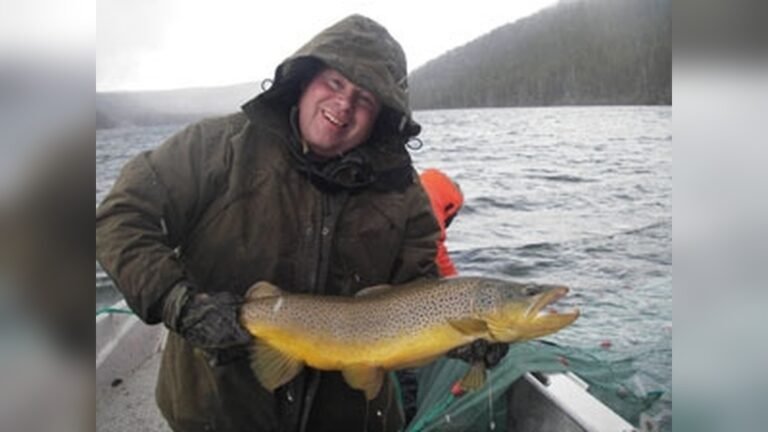
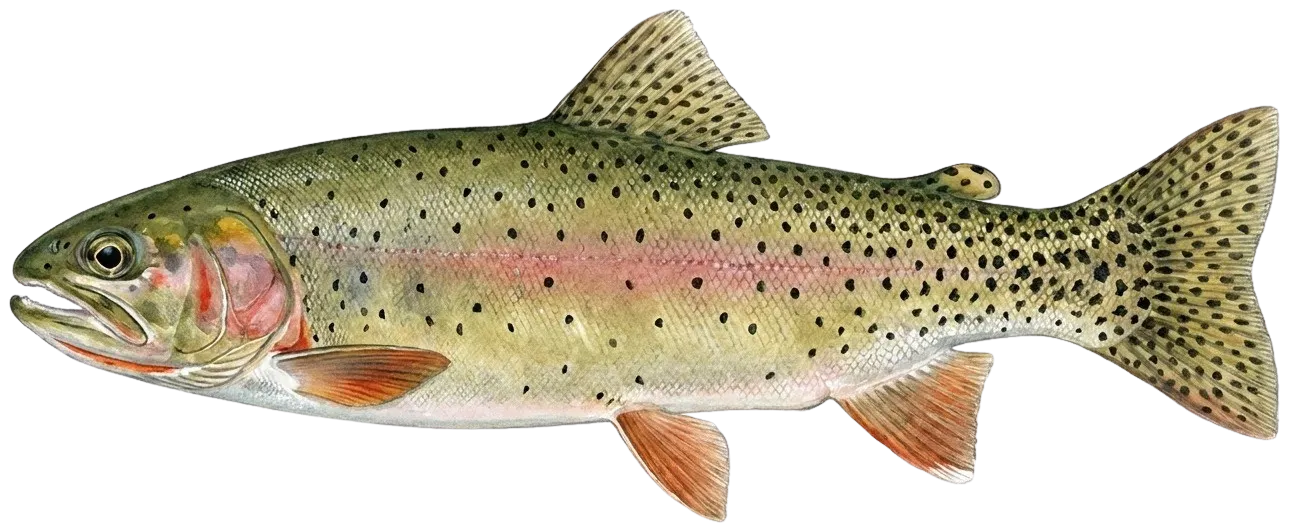
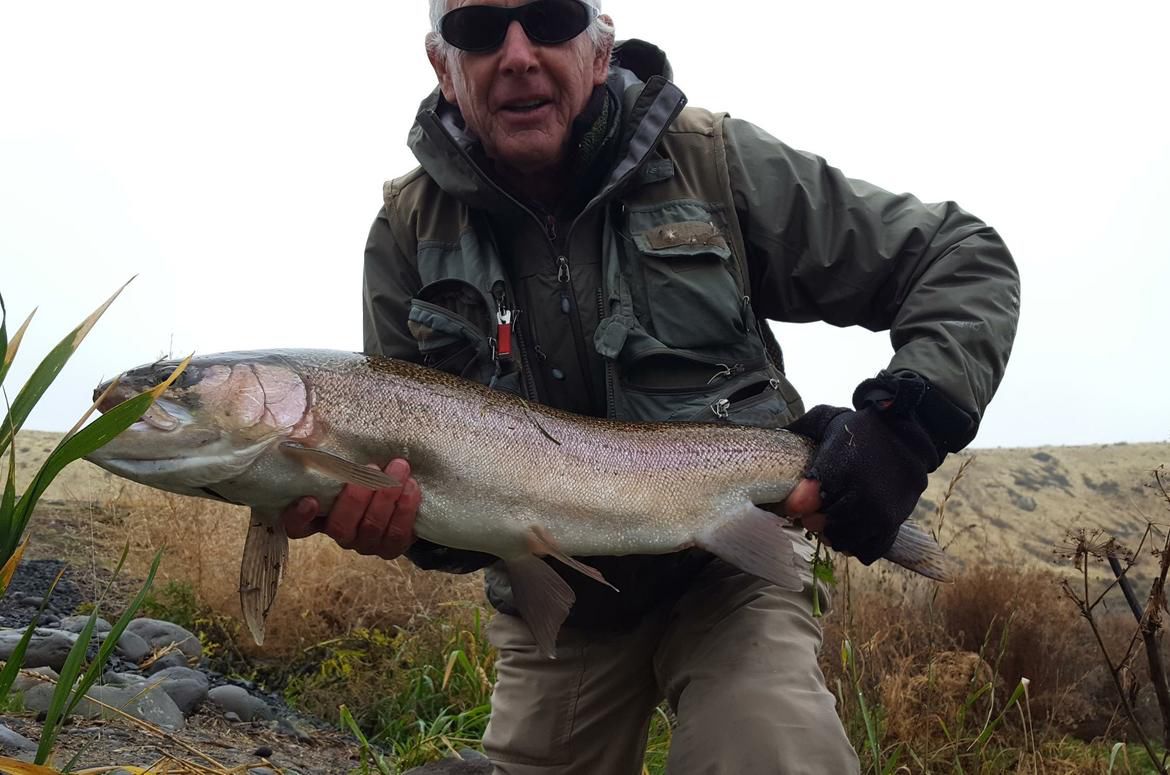
The trout in Rocky Ford are not your average rainbows. They are genetically selected triploid rainbow trout, meaning they cannot reproduce and grow fast. Many fish weigh between 3 to 7 pounds, and double-digit trout are caught every year.
Because the water is rich in food- scuds, leeches, midge larvae, trout here grow quickly. But they are also fussy. These fish have seen every type of fly, so they will test your skills.
It’s common to see fish cruise by your feet or feed on the surface just out of reach. Sight-fishing is possible year-round, and some of the best action happens in winter, when other rivers are closed.
Regulations And Best Times To Fish
Rocky Ford is heavily regulated to protect its trophy fishery. Here’s what you need to know:
- Fly fishing only: No spinning gear or bait.
- Catch and release only: All trout must be released unharmed.
- Barbless hooks required: Helps with safe release.
- Open all year: You can fish in winter, but check for periodic closures.
The best fishing usually happens in the cooler months, especially October through April. Summer can be crowded, and fish become less active during the hottest days.
| Season | Water Temperature | Trout Activity | Angler Pressure |
|---|---|---|---|
| Winter (Dec-Feb) | Stable (45°F-50°F) | High | Low-Medium |
| Spring (Mar-May) | 50°F-55°F | Very High | Medium |
| Summer (Jun-Aug) | 55°F-65°F | Medium | High |
| Fall (Sep-Nov) | 50°F-55°F | High | Medium |
Essential Gear For Rocky Ford
Fishing Rocky Ford is not about having the most expensive gear—it’s about having the right setup for technical trout.
- Rod: A 9-foot, 5 or 6-weight fly rod gives you the reach and backbone for big fish and long casts.
- Line: Floating line is perfect. Bring a clear or camo leader to avoid spooking fish.
- Tippet: Use fluorocarbon tippet, 4X to 6X. Thinner tippet helps fool wary trout.
- Waders and boots: Not always necessary since most fishing is from the bank, but helpful in cold weather or to reach muddy areas.
A large net with rubberized mesh helps protect the fish. Bring polarized sunglasses to spot fish and reduce glare.
Top Flies
Rocky Ford trout are selective, but they do eat. Some of the best flies include:
- Scuds (size 14-18): Orange, pink, and olive.
- Midge patterns (size 18-22): Zebra midges, Griffith’s gnat, and blood midges.
- Leeches (size 8-12): Black or olive bunny leeches, especially under an indicator.
- Egg patterns (size 14-18): Peach, pink, or white.
- Dry flies (size 16-22): Blue-winged olives, Griffith’s gnat, and Parachute Adams for surface risers.
It’s smart to bring a wide selection and switch flies often. Sometimes changing color or size is the key.
Strategies For Catching Trophy Trout
Rocky Ford fishing is about patience, observation, and subtle presentation. Here’s how to increase your odds:
Sight-fishing
With clear water, you can often see the fish. Approach slowly, watch for movement, and plan your cast. Don’t rush—spooked trout won’t bite.
Long Leaders And Light Tippet
These trout can spot thick line easily. Use a 12- to 15-foot leader and fine tippet. Cast upstream of the fish and let the fly drift naturally.
Indicator Nymphing
Many successful anglers use a small strike indicator with a weighted scud or midge below. Adjust depth until your fly ticks the bottom, but avoid dragging.
Dry Fly Tactics
When you see fish rising, match the hatch. Small midges and olives are common. Present your fly gently—sloppy casts can put fish down.
Streamers And Leeches
On windy days or when fish are cruising, try a slow-stripped leech pattern. Sometimes the biggest trout hit a moving fly.

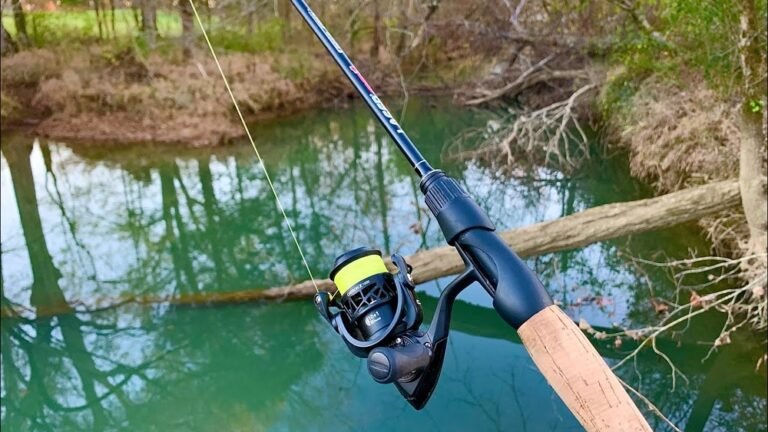
Credit: www.spokesman.com
What Most Anglers Miss
Beginners often focus on the most crowded spots near the parking lot. But trophy fish are often in overlooked stretches—walk downstream or upstream for less-pressured fish.
Another common mistake is ignoring subtle surface activity. At Rocky Ford, trout sometimes sip tiny midges that are almost invisible. Watch for gentle rings on the surface and use small dries or emergers.
Lastly, change your fly often. If you see fish ignoring your pattern, switch size or color. Rocky Ford trout can turn off a fly after seeing it just a few times.
Local Etiquette And Conservation
With so many anglers visiting, it’s important to respect the resource. Always:
- Pack out all trash
- Use barbless hooks
- Handle fish gently and release them quickly
- Give space to other anglers
Rocky Ford’s future depends on responsible fishing. The area is managed by the Washington Department of Fish and Wildlife, and you can find regulations and updates on their official site. For more details, visit the WDFW Rocky Ford page.
Credit: www.union-bulletin.com
Comparing Rocky Ford To Other Trophy Trout Fisheries
Rocky Ford often gets compared to other famous spring creeks like Silver Creek in Idaho or the San Juan River in New Mexico. Each has its own character.
| Fishery | Main Species | Regulations | Fish Size | Access Type |
|---|---|---|---|---|
| Rocky Ford | Rainbow Trout | Fly Only, C&R | 3-10 lbs | Bank |
| Silver Creek (ID) | Rainbow, Brown Trout | Fly Only, C&R (some sections) | 1-5 lbs | Bank, Wading |
| San Juan River (NM) | Rainbow, Brown Trout | Fly Only, C&R (Quality Water) | 1-8 lbs | Wading, Boat |
The biggest advantage at Rocky Ford is the combination of large, visible trout and year-round fishing. The biggest challenge? These fish are probably the smartest in Washington.
Planning Your Trip
A successful Rocky Ford trip starts with preparation:
- Check the weather: Central Washington is often windy and cold in winter.
- Bring layers: The area can be warm in the sun but cold in the shade.
- Pack food and water: Services are limited near the creek.
- Respect private property: Stay on public access areas.
Ephrata and nearby Moses Lake offer hotels, restaurants, and fly shops where you can pick up last-minute gear and local advice.
Frequently Asked Questions
What Is The Best Time Of Year To Fish Rocky Ford For Trophy Trout?
The best months are October through April. Cooler water temperatures make trout more active, and fewer anglers are on the banks. Fish can be caught year-round, but winter and early spring often produce the largest fish.
Are Float Tubes Or Boats Allowed On Rocky Ford?
No. Rocky Ford is bank fishing only. The water is too shallow and muddy for boats or float tubes, and regulations prohibit them to protect habitat and other anglers’ experience.
What Is The Average Size Of Trout In Rocky Ford?
Most trout are 18-24 inches and weigh 3 to 7 pounds. Fish over 10 pounds are possible but rare. The average size is much larger than most public trout streams.
Do I Need A Special Fishing License?
Yes. You need a Washington State fishing license. You can buy it online or at local sporting goods stores. Always check for the latest regulations before you fish.
What Is The Single Most Important Tip For Beginners?
Observe before you cast. Many anglers rush to fish without watching the water. Spend time spotting fish and studying their behavior. This will help you choose the right fly and make a better presentation.
Rocky Ford offers a unique blend of technical challenge and the chance to catch the trout of a lifetime. If you respect the fishery and come prepared, you’ll find it’s a place you’ll want to return to again and again.
I’m Mike Reynolds, a fishing writer and the author behind FishingSnap. I created FishingSnap to make fishing easier to understand for both beginners and experienced anglers.
My focus is simple: provide practical fishing information that people can actually use. I write about fishing techniques, gear and equipment, target species, fishing locations, regulations, and trip planning. I also create helpful tools and calculators to make choosing equipment and preparing for a fishing trip easier.
I believe good fishing information should be clear, practical, and honest. Instead of making things complicated, I try to explain what matters, why it matters, and how anglers can use that information on the water.
Through FishingSnap, my goal is to build a reliable fishing resource where readers can learn new skills, understand their equipment, discover new fishing opportunities, and make better-informed decisions before heading out.
I’m always interested in improving the information we publish. If you notice an error, have a useful suggestion, or want to share feedback about a guide, you can reach me through the FishingSnap contact page.