Type of Rod for Trout Fishing: Top Picks for Every Angler
Trout fishing is one of the most popular forms of freshwater angling. Whether you’re standing in a cold mountain stream or casting from the shore of a lake, the right fishing rod can make all the difference. Choosing a type of rod for trout fishing isn’t just about picking up any rod at the store, it’s about matching the rod to your fishing style, location, and the size of trout you’re targeting. In this article, you’ll learn the key types of rods for trout fishing, how to select the best one for your needs, and some expert insights that most beginners miss.
Why Your Trout Rod Matters
Trout are famous for their speed and agility. They can be picky about bait, and they often fight hard when hooked. The right rod helps you cast accurately, detect soft bites, and control the fish during the fight. Using the wrong rod can lead to missed strikes, lost fish, or even broken gear.
Many beginners focus on reels or lines, but the rod is the foundation of your setup.
Main Types Of Rods For Trout Fishing
Not all rods are created equal. Let’s look at the most common rod types used for trout fishing, their strengths, and when to use each.
Spinning Rods
Spinning rods are the most popular choice for trout fishing, especially for beginners. They are easy to use, versatile, and work well with light lines and small lures. Spinning rods have guides on the bottom and pair with spinning reels.
Best for: Streams, rivers, lakes, and various lure types.
Advantages:
- Handle light lines (2-8 lb test) and small lures easily
- Great for casting distance with light baits
- Easier to learn compared to baitcasting rods
Things to note: Spinning rods come in different lengths and powers. For most trout fishing, a 6 to 7-foot ultralight or light power rod is ideal. Heavier rods can scare trout or make it hard to detect bites.
Fly Rods
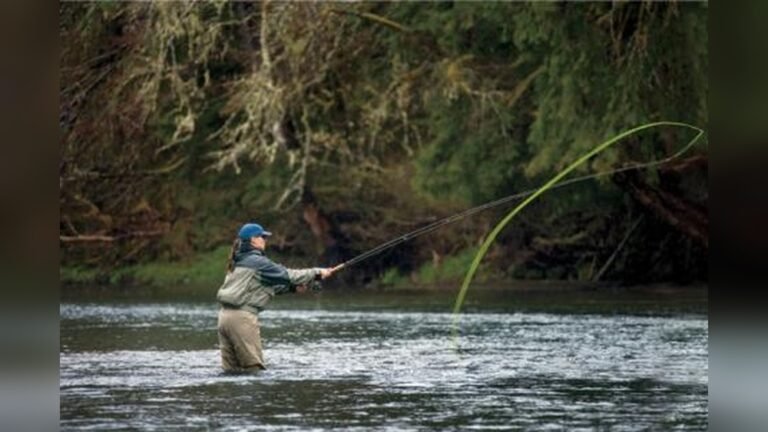
Fly rods are used with artificial flies and require a special casting technique. They are the top choice for anglers who fish in rivers or streams with a lot of cover. Fly rods are rated by “weight” (not the rod’s mass, but the line weight they cast).
Best for: Fly fishing in streams, rivers, and tailwaters.
Advantages:
- Allows precise presentation of flies
- Excellent for delicate, natural drifts
- Good for small to medium-sized trout
Things to note: A 4-weight or 5-weight rod, 8 to 9 feet long, is the classic choice for trout. Heavier fly rods are for bigger fish or windy conditions. Fly fishing has a learning curve, but it’s rewarding once mastered.
Baitcasting Rods
Baitcasting rods are less common for trout, but they have their place. These rods offer power and accuracy for larger lures or fishing in bigger rivers and lakes.
Best for: Larger trout, big rivers, or trolling.
Advantages:
- More control with heavier lures or live bait
- Strong backbone for bigger fish
- Accurate casting with practice
Things to note: Baitcasting rods require skill. They can cause “backlash” (tangled line) if not used properly. For most trout, a spinning or fly rod is easier.
Tenkara Rods
Tenkara is a traditional Japanese method using a telescoping rod, fixed line, and fly—no reel required. It’s simple, lightweight, and perfect for small streams.
Best for: Small streams, backpackers, or minimalists.
Advantages:
- Ultra-lightweight and easy to carry
- Simple design (no reel, fewer parts to break)
- Excellent for tight spaces
Things to note: Limited casting distance and not ideal for big rivers or large trout. Tenkara rods are usually 10-13 feet long and collapse for easy transport.
Telescopic Rods
Telescopic rods collapse to a small size for travel. They can be spinning, fly, or Tenkara style. While they’re not as sensitive as one-piece rods, their portability is a major benefit.
Best for: Hikers, travelers, or as a backup rod.
Advantages:
- Fits in a backpack or car trunk
- Ready to fish in seconds
Things to note: Slightly less sensitive than traditional rods. Choose a quality brand to avoid breakage.
Choosing The Right Rod Length And Power
Rod length and power (also called “action”) can make or break your trout fishing experience. Here’s a quick look at how these factors compare:
| Rod Length | Best For | Pros | Cons |
|---|---|---|---|
| 5-6 feet | Small creeks, tight spaces | Easy to maneuver, accurate short casts | Limited casting distance |
| 6-7 feet | General trout fishing | Balanced distance and accuracy | May be tight in dense cover |
| 7-9 feet | Open rivers, lakes | Longer casting, more control | Harder to use in brushy spots |
Power refers to how much force it takes to bend the rod:
- Ultralight: Best for small trout, sensitive to light bites
- Light: Versatile, works for most trout sizes
- Medium: For larger trout or when using heavier lures
Most trout anglers prefer ultralight or light power rods with fast or moderate action. This setup lets you feel even the slightest nibble and set the hook quickly.
Materials: Graphite Vs. Fiberglass Vs. Composite
The material of your rod affects sensitivity, weight, and durability. Here’s a quick comparison:
| Material | Sensitivity | Weight | Durability | Typical Price |
|---|---|---|---|---|
| Graphite | Very high | Light | Can be brittle | $$ – $$$ |
| Fiberglass | Medium | Heavier | Very strong | $ – $$ |
| Composite (Mix) | High | Medium | Balanced | $$ |
Graphite rods are more sensitive and lighter, which makes them ideal for detecting light trout bites. They are, however, more prone to break if abused. Fiberglass rods are tougher and bend more, making them good for beginners or kids. Composite rods blend the best qualities of both.
Trout Rod Action: Fast, Medium, Or Slow?
Rod action describes how much of the rod bends when pressure is applied:
- Fast action: Only the tip bends. This gives quick hook sets and high sensitivity.
- Medium action: The upper half bends. Good balance of power and flexibility.
- Slow action: The whole rod bends. Best for casting small, light lures gently.
For most trout fishing, a fast or medium action rod is preferred. You want to feel the bite and set the hook quickly, especially when using small hooks. Slow action rods are better for delicate presentations with very light lines.
Matching Rods To Trout Fishing Locations
Your fishing environment influences the rod you should choose.
Small Streams And Creeks
Here, trout are often spooky and the space is tight. A shorter ultralight rod (5-6 feet) lets you cast accurately between rocks and branches. Sensitivity is key for feeling soft bites. Tenkara rods are also popular for these spots.
Medium Rivers
A 6-7 foot light rod is a good all-around choice. You get a mix of casting distance and control. Use graphite for sensitivity, and match the rod power to the trout size.
Large Rivers And Lakes
If you’re fishing from shore or a boat in big water, a 7-9 foot rod helps reach farther. Medium power rods can handle bigger trout, and longer rods let you fight fish in open water.
Backpacking Or Travel
A telescopic rod or multi-piece spinning rod is convenient. Sacrifice a little sensitivity for portability. Choose a rod with sturdy joints and a strong case.
Credit: www.troutandfeather.com
Common Mistakes When Choosing A Trout Rod
Many anglers pick a rod based only on price or what’s available at the local store. Here are some mistakes to avoid:
- Too heavy or stiff: Heavy rods can rip hooks out of trout mouths or make it hard to detect bites.
- Wrong length: A long rod in a small stream is hard to control; a short rod on a lake limits casting distance.
- Ignoring rod material: Cheap rods may not be sensitive enough or may break easily.
- Overlooking the reel match: The rod and reel should balance well. An unbalanced setup is tiring to use.
- Not considering line weight: Match your rod’s rating to the line you plan to use.
Non-obvious insight: Many beginners use thicker line than needed, which forces them to use a stiffer rod. For trout, lighter line (2-6 lb test) and a matching ultralight rod will catch more fish.
Rod Features That Make A Difference
Beyond length, power, and material, look for these features:
- Quality guides: Ceramic or stainless steel guides reduce friction and prevent line damage.
- Comfortable handle: Cork handles are light and non-slip, but foam is more durable in wet conditions.
- Reel seat: A secure, corrosion-resistant reel seat keeps your reel tight and aligned.
- Warranty: Reputable brands offer warranties—worth the extra cost for peace of mind.
Expert tip: Try several rods in the store if possible. Balance the rod in your hand with the reel you plan to use. A well-balanced rod feels lighter and causes less fatigue.

Credit: rodreelguide.com
When To Upgrade Your Trout Rod
If you’re just starting, a basic spinning rod is enough. But as you gain experience, upgrading can help you catch more fish or enjoy the sport more. Consider upgrading if:
- You’re missing subtle strikes
- You want to try fly fishing or Tenkara
- You’re fishing bigger water or larger trout
- Your current rod is heavy or uncomfortable
Upgrading doesn’t mean spending a fortune. Even mid-priced graphite rods offer excellent performance today.
Responsible Trout Fishing
Choosing the right rod is just one part of ethical angling. Always follow local regulations, use barbless hooks when required, and handle trout gently for catch and release. The rod you choose can help with this—ultralight rods make it easier to play fish quickly and release them unharmed.
For more on ethical fishing, check out this resource from Trout Unlimited.

Credit: www.inlandaction.com
Frequently Asked Questions
What Is The Best Length Rod For Trout Fishing?
A 6 to 7-foot rod is the most versatile for trout fishing. It offers good casting distance and control for most streams and small rivers. In tight spaces, a 5-6 foot rod is better; for large rivers or lakes, consider a 7-9 foot rod.
Should I Use An Ultralight Or Light Rod For Trout?
An ultralight rod is ideal for small to medium trout and increases sensitivity to bites. If you’re fishing for larger trout or using heavier lures, a light power rod provides more backbone while still being sensitive.
Is A One-piece Or Two-piece Rod Better For Trout Fishing?
One-piece rods offer slightly better sensitivity and strength, but two-piece rods are easier to transport and store. Modern two-piece rods perform nearly as well as one-piece rods, so choose based on your travel needs.
Can I Use The Same Rod For Trout And Other Species?
Yes, a light spinning rod can be used for other small freshwater fish like panfish, perch, or small bass. However, dedicated rods for each species will give the best results.
Are Expensive Rods Worth It For Beginners?
Not always. A mid-range rod from a reputable brand is often perfect for beginners. More expensive rods offer extra sensitivity and lighter weight, but skill and technique matter more when starting out.
Trout fishing is a rewarding hobby, and the right rod makes all the difference. Choose wisely based on your local waters, target trout size, and how you like to fish. With the right rod in hand, you’ll enjoy every moment on the water and catch more trout along the way.

I’m Mike Reynolds, a fishing writer and the author behind FishingSnap. I created FishingSnap to make fishing easier to understand for both beginners and experienced anglers.
My focus is simple: provide practical fishing information that people can actually use. I write about fishing techniques, gear and equipment, target species, fishing locations, regulations, and trip planning. I also create helpful tools and calculators to make choosing equipment and preparing for a fishing trip easier.
I believe good fishing information should be clear, practical, and honest. Instead of making things complicated, I try to explain what matters, why it matters, and how anglers can use that information on the water.
Through FishingSnap, my goal is to build a reliable fishing resource where readers can learn new skills, understand their equipment, discover new fishing opportunities, and make better-informed decisions before heading out.
I’m always interested in improving the information we publish. If you notice an error, have a useful suggestion, or want to share feedback about a guide, you can reach me through the FishingSnap contact page.