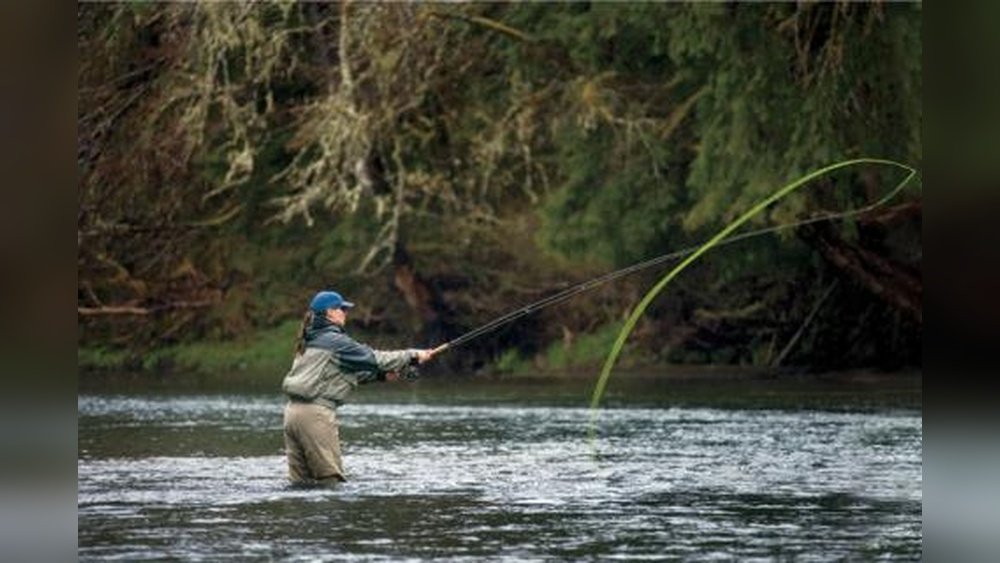
Trout Fishing in the Rain: Expert Tips for a Successful Catch
Trout Fishing In The Rain
Raindrops tap the water’s surface, sending ripples across the stream. For many anglers, this is not a sign to pack up and leave, it’s an invitation. Trout fishing in the rain is a skill and an art, combining patience, knowledge, and adaptability. While many avoid wet weather, those who embrace it often discover unique opportunities. Rain changes everything: the behavior of trout, the clarity of the water, and even the best lures to use. Understanding these changes can turn a rainy day into your best fishing memory.
This guide explores the science, strategies, and real-world tips for trout fishing in wet conditions. Whether you’re a weekend hobbyist or a dedicated angler, mastering rainy-day fishing can bring bigger rewards and fewer crowds. Let’s break down what makes trout fishing in the rain so effective, and how to make the most of every stormy session.
Why Rain Changes Trout Behavior
Rain doesn’t just make you wet. It transforms the entire environment for trout. When rain falls, water temperature often drops, oxygen levels rise, and insects get washed into the stream. These changes can trigger trout to feed aggressively.
Key influences of rain on trout:
- Increased food availability: Rain washes insects, worms, and other prey into the water, creating a feeding frenzy.
- Reduced visibility: Rain and runoff cloud the water, making trout less cautious.
- Oxygen boost: Cooler, moving water holds more oxygen, energizing trout.
One non-obvious insight: trout often move closer to the banks during rain. Water along the edges becomes more turbulent, bringing in food and offering cover. This is a prime spot to target.
Best Times And Locations For Rainy Trout Fishing
Not all rainy moments are equal. Knowing when and where to fish can make a big difference.
Timing The Rain
- Light to Moderate Rain: This is ideal. The water is stirred up, but not dangerously high.
- During the Rain: Trout feed actively as food gets washed in.
- Right After Rain: Water is still cloudy, and trout remain aggressive.
- Heavy Downpours: Sometimes risky. Water can become unsafe and trout may hide.
Choosing Your Spot
Trout position changes with rain. Here’s a comparison of typical trout spots before, during, and after rain:
| Condition | Likely Trout Location |
|---|---|
| Before Rain | Deep pools, under cover |
| During Light Rain | Near banks, shallow riffles |
| Heavy Rain | Behind rocks, slow water |
| After Rain | Along current breaks, eddies |
Non-obvious tip: Focus on tributary mouths—small streams entering larger water. Rain washes a lot of food here, attracting hungry trout.
Essential Gear For Fishing In The Rain
Fishing in wet weather requires careful gear choices. Staying dry and comfortable keeps you sharp and safe.
Clothing And Personal Gear
- Waterproof jacket and pants: Breathable but fully waterproof gear is essential.
- Layering: Use synthetic or wool base layers. Cotton gets cold when wet.
- Hat with brim: Keeps rain off your face and improves visibility.
- Waders: Choose high-quality, leak-proof waders with non-slip soles.
Tackle And Tools
- Waterproof tackle box: Protects your lures and hooks from rust.
- Polarized sunglasses: Even on cloudy days, these help you see through the surface glare.
- Rain cover for backpack: Keeps food, phone, and spare clothes dry.
- Hand towel: Drying hands helps tie knots and handle fish.
Comparison: Essential Vs. Optional Gear
| Essential | Optional |
|---|---|
| Waterproof jacket/pants | Fishing umbrella |
| Waders | Portable seat |
| Polarized sunglasses | Extra rod |
| Waterproof tackle box | Camera |
Best Baits And Lures For Rainy Conditions
Rain changes what works best for catching trout. Fast water and low visibility call for specific choices.
Natural Baits
- Worms: Rain washes earthworms into the water. Live worms are very effective.
- Minnows: Small fish get swept into streams, attracting big trout.
- Insects: Try grasshoppers or crickets, especially right after a storm.
Artificial Lures
- Spinners: Use bright colors or metallic finishes. They give off vibrations and flash in murky water.
- Spoons: Their wobbling motion stands out in cloudy conditions.
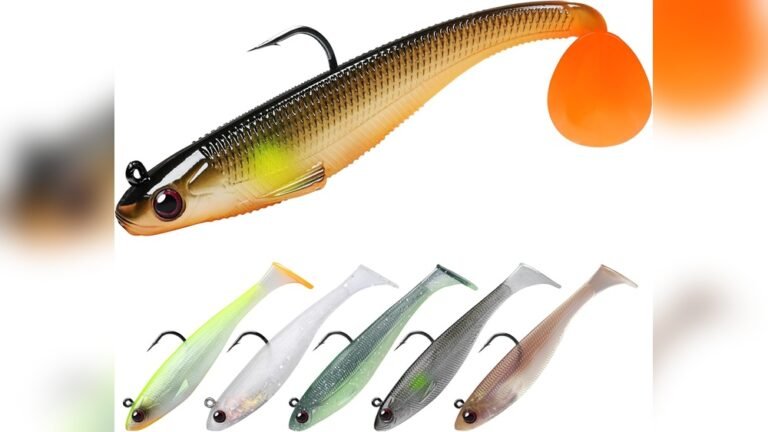
- Soft plastics: Choose larger, darker patterns to increase visibility.
Color And Size Tips
- Bright colors: Chartreuse, orange, and gold are easier for trout to see.
- Larger sizes: Bigger lures are easier to spot in muddy water.
Table: Effectiveness Of Lures In Rain
| Lure Type | Best Condition | Why It Works |
|---|---|---|
| Spinner (bright) | Cloudy water | Vibration, flash |
| Spoon (gold/silver) | Fast current | Reflects light, strong action |
| Live worm | Muddy water | Natural scent, familiar food |
| Soft plastic (dark) | Low light | Visible silhouette |

Credit: guiderecommended.com
Proven Techniques For Success
Catching trout in the rain is not just about being there. How you fish matters.
Adjust Your Presentation
- Slow down: Trout may move more but strike slower in cold, fast water. Use slower retrieves.
- Cast upstream: Let your bait drift naturally with the current.
- Work the edges: Fish close to the bank, especially near overhanging trees or flooded grass.
Watch For Changes
Rain changes water depth, speed, and color. Check the water often. If conditions become dangerous (rising water, strong currents), move to a safer area.
Set The Hook Quickly
With less visibility, trout may bite hard and fast. Be ready to set the hook as soon as you feel a strike.
Safety Considerations
Fishing in rain has risks. Wet rocks, rising water, and lightning storms can make things dangerous.
- Check weather forecasts: Avoid fishing if thunderstorms or flash floods are likely.
- Wear a life vest: Especially in rivers or when wading deep.
- Keep gear organized: Wet hands and slippery banks make it easy to drop things.
- Tell someone your plan: Let a friend or family member know where you’ll be.
If lightning starts, leave the water immediately and get to shelter.
Credit: huk.com
Common Mistakes When Trout Fishing In The Rain
Even experienced anglers make errors in wet weather. Here are mistakes to avoid:
- Using the wrong colors: Dull, small lures are hard for trout to see in muddy water.
- Ignoring the banks: Many focus on deep water, missing out where trout hunt for washed-in food.
- Wearing cotton: Wet cotton chills the body quickly.
- Fishing unsafe water: Rising rivers can become dangerous in minutes.
- Not adjusting techniques: Using the same retrieve speed as in dry weather reduces bites.
A practical tip: Always carry extra dry clothes in a waterproof bag. Hypothermia can set in even in mild temperatures if you stay wet.
Real-world Rain Fishing Stories
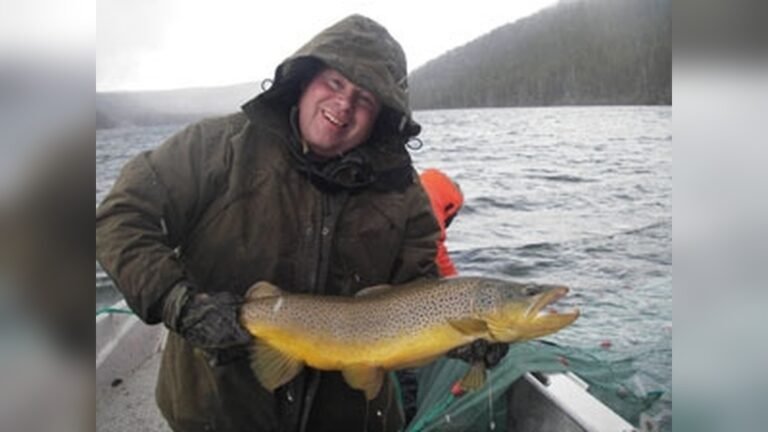
Rainy days can deliver memorable trout catches. Anglers often report their largest fish taken during a storm. For example, in the Pacific Northwest, a fisherman landed a 6-pound rainbow trout just as the rain began to fall—using a bright orange spinner near a flooded bank.
Another story from the Appalachian Mountains: a local angler found that after three hours of drizzle, the trout began feeding aggressively on worms near a small creek mouth. He caught his limit in less than an hour.
These stories highlight an important truth: adapting to the weather and changing your tactics pays off.

Credit: huk.com
Conservation: Respecting Trout And Their Habitat
Rain can cause erosion and muddy water, which stresses trout. Practice good conservation:
- Catch and release: Use barbless hooks and wet your hands before handling fish.
- Avoid fragile banks: Wet ground is easily damaged. Enter and exit carefully.
- Pack out trash: Rain can carry litter directly into streams.
Responsible fishing ensures healthy streams and strong trout populations for the future. For more on trout conservation, see the Trout Unlimited website.
Frequently Asked Questions
What Is The Best Bait For Trout During Rain?
Live worms are very effective because rain naturally washes them into streams. Bright spinners and spoons also work well, especially in cloudy water.
Is It Safe To Fish For Trout In The Rain?
It can be safe if you avoid thunderstorms, rising water, and slippery banks. Always check forecasts and wear proper gear.
Do Trout Bite More In The Rain?
Yes, trout often feed more during and after rain. Increased food and lower visibility make them more active and less cautious.
How Does Rain Affect Trout Location?
Trout move closer to the banks, tributary mouths, and areas with slower water to find food washed in by rain.
What Should I Wear For Trout Fishing In The Rain?
Wear a waterproof jacket and pants, wool or synthetic layers, and leak-proof waders. Avoid cotton to stay warm and dry.
Rainy days can test your patience and preparation, but they can also lead to your most successful and exciting fishing trips. By understanding how trout react to rain and adjusting your tactics, you’ll discover a new side of angling, and maybe catch the biggest trout of your life.

I’m Mike Reynolds, a fishing writer and the author behind FishingSnap. I created FishingSnap to make fishing easier to understand for both beginners and experienced anglers.
My focus is simple: provide practical fishing information that people can actually use. I write about fishing techniques, gear and equipment, target species, fishing locations, regulations, and trip planning. I also create helpful tools and calculators to make choosing equipment and preparing for a fishing trip easier.
I believe good fishing information should be clear, practical, and honest. Instead of making things complicated, I try to explain what matters, why it matters, and how anglers can use that information on the water.
Through FishingSnap, my goal is to build a reliable fishing resource where readers can learn new skills, understand their equipment, discover new fishing opportunities, and make better-informed decisions before heading out.
I’m always interested in improving the information we publish. If you notice an error, have a useful suggestion, or want to share feedback about a guide, you can reach me through the FishingSnap contact page.