Braided Line Trout Fishing: Tips for Better Catches
Braided Line Trout Fishing: A Complete Guide
Trout fishing has changed a lot in recent years, and one of the biggest changes is the use of braided fishing line. Many anglers now switch from traditional monofilament or fluorocarbon to braid, but is it always the right choice? For both beginners and experienced fishers, choosing the right line can mean the difference between a great day on the water and going home empty-handed. Let’s look at how braided line works for trout, why you might choose it, and how to use it effectively.
What Is Braided Fishing Line?
Braided line is made by weaving together several strong fibers, usually from materials like Dyneema or Spectra. This process creates a line that is much thinner and stronger than regular fishing lines of the same breaking strength.
Braided line has almost zero stretch. This means when you set the hook, the action is instant, and you feel even the smallest bites. For trout fishing, this sensitivity is a double-edged sword: you catch more subtle bites, but it can also make you more likely to pull the hook out too quickly.
Why Use Braided Line For Trout?
Advantages
- High Strength-to-Diameter Ratio: Braided line is much thinner than monofilament or fluorocarbon for the same pound-test. For example, a 10 lb braided line is as thin as 2 lb mono.
- Sensitivity: No stretch means you feel what’s happening at the end of your line, every bump, nibble, or underwater obstacle.
- Long Casting Distance: Because it’s so thin and smooth, braided line casts farther, even with light lures.
- Durability: It resists abrasion and lasts longer than mono, especially in rough or rocky streams.
- Low Memory: Braid doesn’t “remember” the shape of your reel, so it’s less likely to tangle or coil.
Disadvantages
- Visibility: Trout have sharp eyesight. Bright or dark braid is easy for them to spot, especially in clear water.
- Line Cuts: Braid can cut into rod guides or even your fingers if you’re not careful.
- Knot Security: Not all knots work with braid. You need to learn specific braid knots for reliable strength.
- Cost: Quality braid costs more upfront than mono or fluorocarbon.

Credit: www.blackmagictackle.com
When To Choose Braided Line For Trout
Braided line is not always the best choice for all trout fishing situations. Here are times when it shines:
- Fishing in heavy cover: Around rocks, logs, or weeds, braid’s strength and abrasion resistance help you pull trout out of tough spots.
- Long-distance casting: On big rivers or lakes, when you need to cast farther with lighter lures.
- Deep water or fast current: Sensitivity helps detect bites in deep pools or strong current where mono’s stretch is a problem.
However, in ultra-clear, slow-moving water, trout can see braid easily. In these cases, a long fluorocarbon leader helps.
How To Set Up Braided Line For Trout
Choosing The Right Pound Test
For most trout fishing, a main line between 6–10 lb test is ideal. Because braid is so thin, a 10 lb line is about the same size as 2 lb mono—perfect for small spinning reels.
Using A Leader
Almost all trout anglers use a leader with braid. A leader is a length of clear monofilament or fluorocarbon (usually 2–6 feet) tied between the braid and your lure or hook.
- Why use a leader? It hides the visible braid from trout and adds a little stretch, which helps avoid pulling hooks out of soft mouths.
- Fluorocarbon vs. Mono leader: Fluorocarbon is almost invisible underwater, making it the best choice for shy trout.
Knots For Braid-to-leader
Two popular knots for joining braid to leader are the Double Uni Knot and the FG Knot. These hold well and pass smoothly through guides.
Spooling Your Reel
When spooling braid onto your reel, always start with a short layer of monofilament backing (15–20 yards). This helps the braid grip the spool and prevents slipping.
Braided Vs. Mono Vs. Fluorocarbon: Quick Comparison
To help visualize the differences, here’s a comparison of the three main types of fishing line:
| Line Type | Visibility | Sensitivity | Strength (per diameter) | Stretch | Cost |
|---|---|---|---|---|---|
| Braided | High | Excellent | Very High | Very Low | High |
| Monofilament | Medium | Low | Medium | High | Low |
| Fluorocarbon | Low | Medium | High | Medium | Medium |
Best Braided Line Brands For Trout
With so many choices, picking a quality braid is important. Consider these top options:
- PowerPro Spectra: Known for smoothness and strength.
- Sufix 832: Very round, strong, and casts well.
- SpiderWire Stealth: Affordable and reliable for lighter setups.
- Daiwa J-Braid: Soft, smooth, and handles well on spinning reels.
Most brands offer a moss green or low-visibility color option, which is best for trout.
Credit: addicted.fishing
How Braided Line Changes Your Trout Fishing
Improved Bite Detection
Because braid is so sensitive, you’ll notice more bites—especially with light lures or in windy conditions. You’ll feel hits that mono would miss.
Hook Sets
The lack of stretch means you need to adjust your hook set. Instead of a hard jerk, use a firm but controlled motion. If you set too hard, the hook can rip out of the trout’s mouth.
Playing The Fish
Braid doesn’t forgive sudden runs or jumps. Loosen your drag or use your rod to absorb shocks. Many experienced trout anglers fish with a slightly looser drag on braid.
Longer Casts
Thin diameter means less air resistance. You’ll cast farther, letting you reach fish you couldn’t before.
Common Mistakes With Braided Line
- Using braid without a leader: Trout often spook at visible braid. Always add a leader.
- Choosing too heavy a line: Don’t overestimate what you need. 6–10 lb test is enough for most trout.
- Wrong knots: Not every knot works with braid. Learn the right ones.
- Setting the drag too tight: Braid doesn’t stretch. Too tight, and you’ll break off fish or hooks.
- Neglecting rod guides: Cheap rods can have guides that braid will groove or cut. Always check your rod guides for wear.

Credit: www.amazon.com
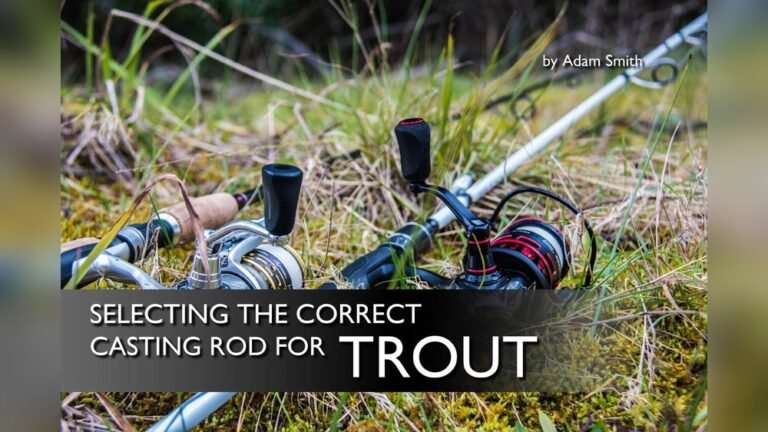
Ideal Rod And Reel Setup For Braided Line
Your rod and reel choice matters when fishing braid. Here’s a quick guide:
| Rod Action | Best Use with Braid | Notes |
|---|---|---|
| Fast Action | Accurate casting, solid hook sets | Good for smaller rivers; beware of pulling hooks out |
| Moderate Action | More forgiveness | Better for beginners; helps absorb runs and jumps |
| Ultralight | Finesse fishing | Pairs well with 6–8 lb braid and light lures |
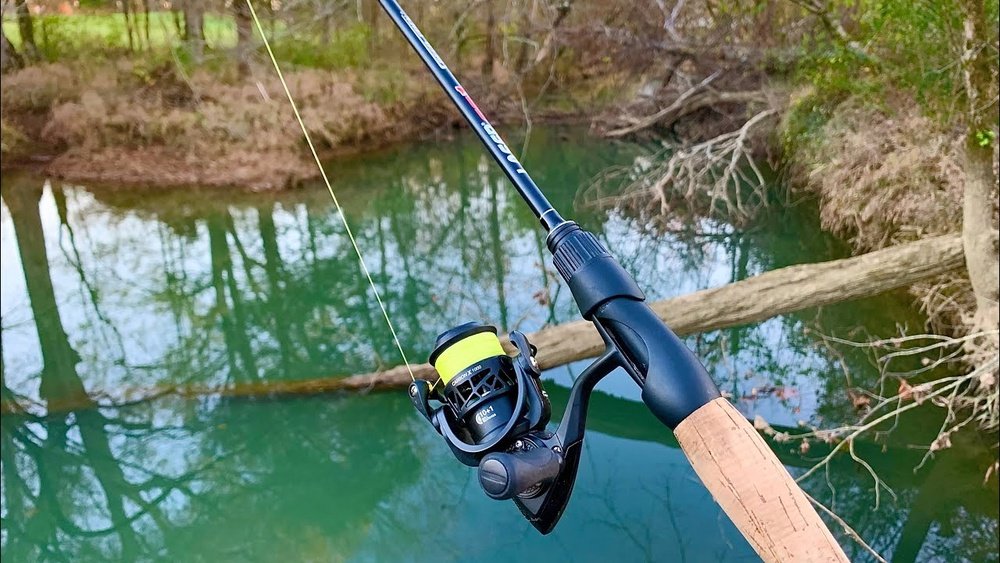
For reels, a 2500 size spinning reel is a great all-round choice for trout, giving enough line capacity and smooth drag.
Practical Tips For Trout Fishing With Braid
- Check your knots: Braid is slippery. Wet your knots and test them before casting.
- Use longer leaders in clear water: Sometimes, a 4–6 foot fluorocarbon leader is needed for spooky trout.
- Keep braid clean: Mud and algae can stick to braid, making it visible and less effective. Rinse after use.
- Trim tag ends short: Braid frays more than mono, so keep tag ends short to avoid spooking fish.
Braided Line And Trout Species
Not all trout are the same. Here’s how braid works for common species:
| Trout Species | Braid Suitability | Notes |
|---|---|---|
| Rainbow Trout | Excellent | Active fighters; braid helps with sensitivity |
| Brown Trout | Good | Can be line shy; longer leader helps |
| Brook Trout | Fair | Often found in clear water; use very light braid and leader |
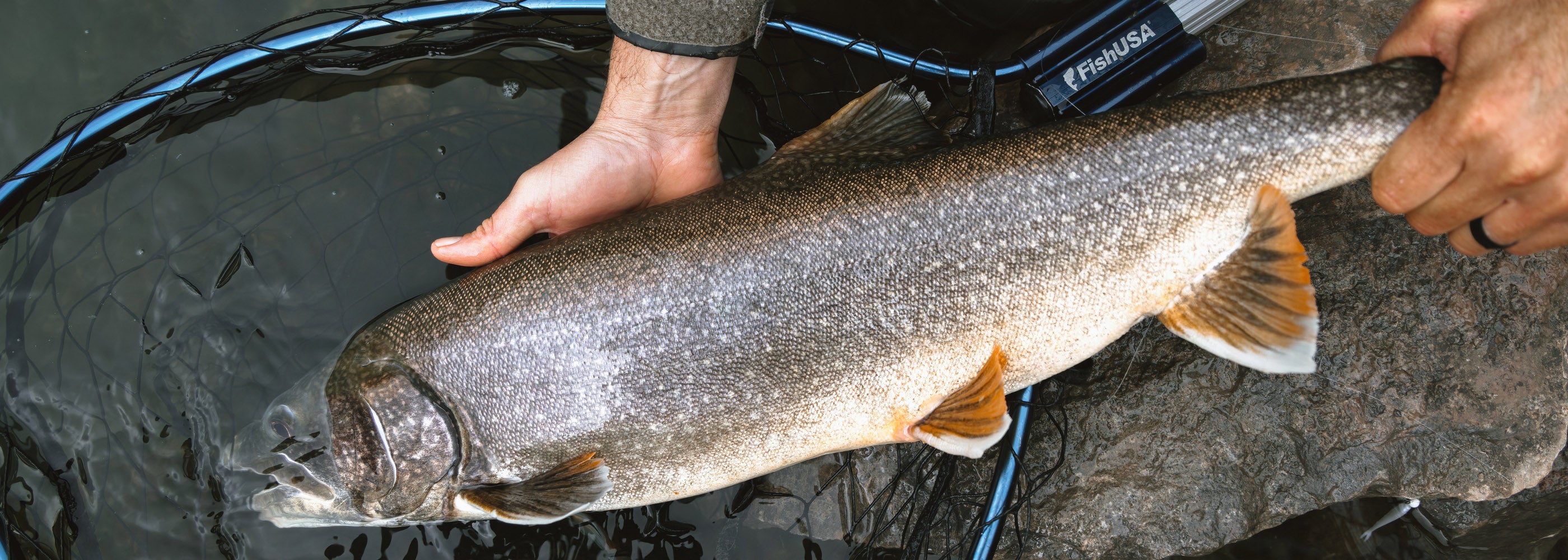
| Lake Trout | Excellent | Deep water fishing; braid’s strength and sensitivity are ideal |
Two Insights Many Anglers Miss
First, braid’s lack of stretch means you need to rely more on your rod and drag system to protect light hooks and leader. Many anglers new to braid lose fish by setting the hook too hard or keeping the drag too tight.
Second, not all braids are created equal. Cheaper lines can fray or fade quickly, and flat or rough braid can make noise running through rod guides, spooking fish. Investing in a smoother, rounder braid pays off over time.
Environmental Considerations
Braided line does not break down quickly in the environment. Always retrieve any lost line and dispose of it properly. Some fisheries even ban braid due to this issue, so check local regulations before use.
Is Braided Line Right For You?
If you value sensitivity, casting distance, and toughness, braided line is hard to beat for trout fishing—especially when paired with a good leader. However, in ultra-clear, small streams with spooky fish, mono or fluorocarbon may still perform better.
Experiment with both setups to see what works best in your waters. Many experienced anglers carry multiple rods with different lines to adapt to changing conditions.
For more on braided line materials and history, visit the Fishing Line Wikipedia page.
Frequently Asked Questions
What Size Braid Should I Use For Trout Fishing?
A 6–10 lb braid is perfect for most trout situations. It’s strong enough to land big fish but thin enough for long casts and finesse presentations. Always pair it with a suitable leader.
Can I Use Braided Line Without A Leader For Trout?
It’s not recommended, especially in clear water. Trout can see braid easily and might avoid your bait. A fluorocarbon leader (2–6 feet) makes your presentation more natural and improves your catch rate.
What Is The Best Knot For Tying Braid To Leader?
The Double Uni Knot is popular for its strength and ease of tying. The FG Knot is even slimmer but requires more practice. Always wet the knot and pull it tight to avoid slippage.
Does Braid Damage Rod Guides?
High-quality rod guides (ceramic or titanium) resist braid wear, but cheap or old rods with soft guides can develop grooves. Check your guides regularly and replace them if needed.
How Long Does Braided Line Last?
Braided line can last several seasons with proper care, sometimes up to 2–4 years. However, sun, dirt, and heavy use will shorten its life. Inspect for fraying or fading, and replace when needed.
Braided line opens new possibilities for trout anglers, offering greater control, feel, and efficiency. With the right setup and techniques, you can enjoy more consistent catches and adapt to any fishing situation. If you’re serious about trout fishing, trying braid with a quality leader is a smart next step.

I’m Mike Reynolds, a fishing writer and the author behind FishingSnap. I created FishingSnap to make fishing easier to understand for both beginners and experienced anglers.
My focus is simple: provide practical fishing information that people can actually use. I write about fishing techniques, gear and equipment, target species, fishing locations, regulations, and trip planning. I also create helpful tools and calculators to make choosing equipment and preparing for a fishing trip easier.
I believe good fishing information should be clear, practical, and honest. Instead of making things complicated, I try to explain what matters, why it matters, and how anglers can use that information on the water.
Through FishingSnap, my goal is to build a reliable fishing resource where readers can learn new skills, understand their equipment, discover new fishing opportunities, and make better-informed decisions before heading out.
I’m always interested in improving the information we publish. If you notice an error, have a useful suggestion, or want to share feedback about a guide, you can reach me through the FishingSnap contact page.